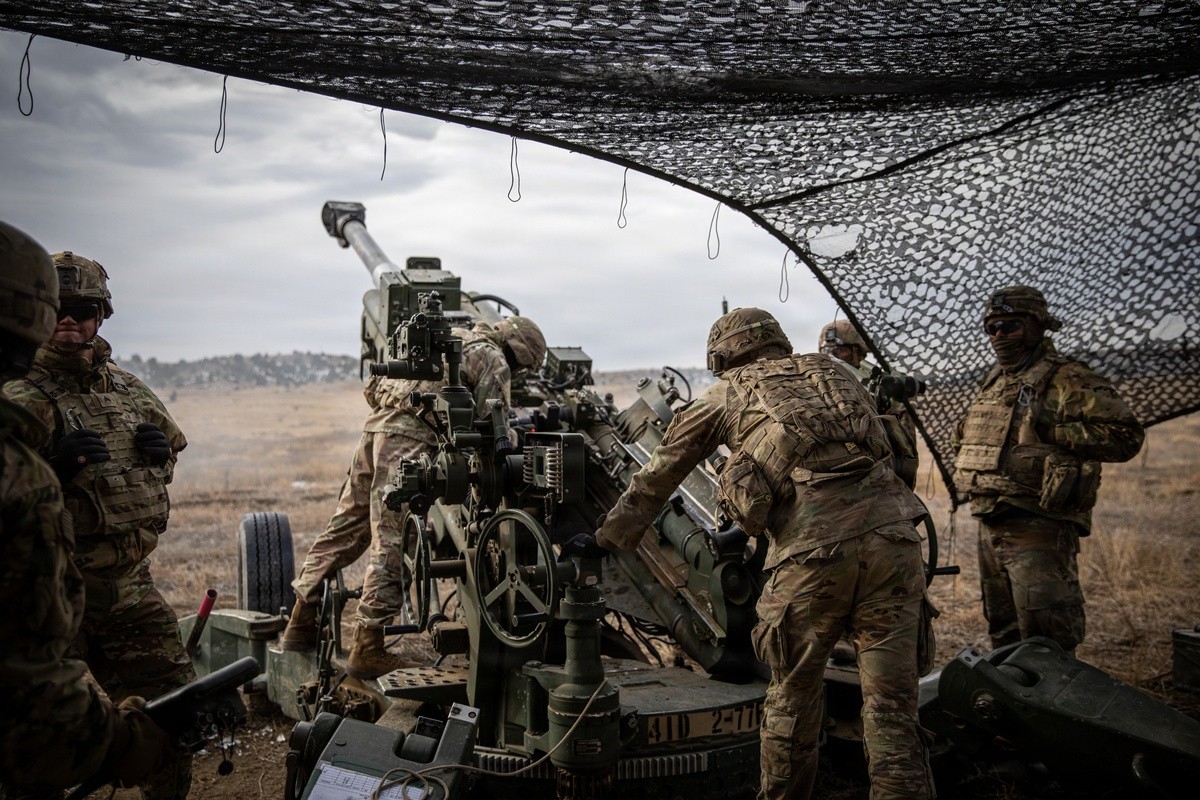
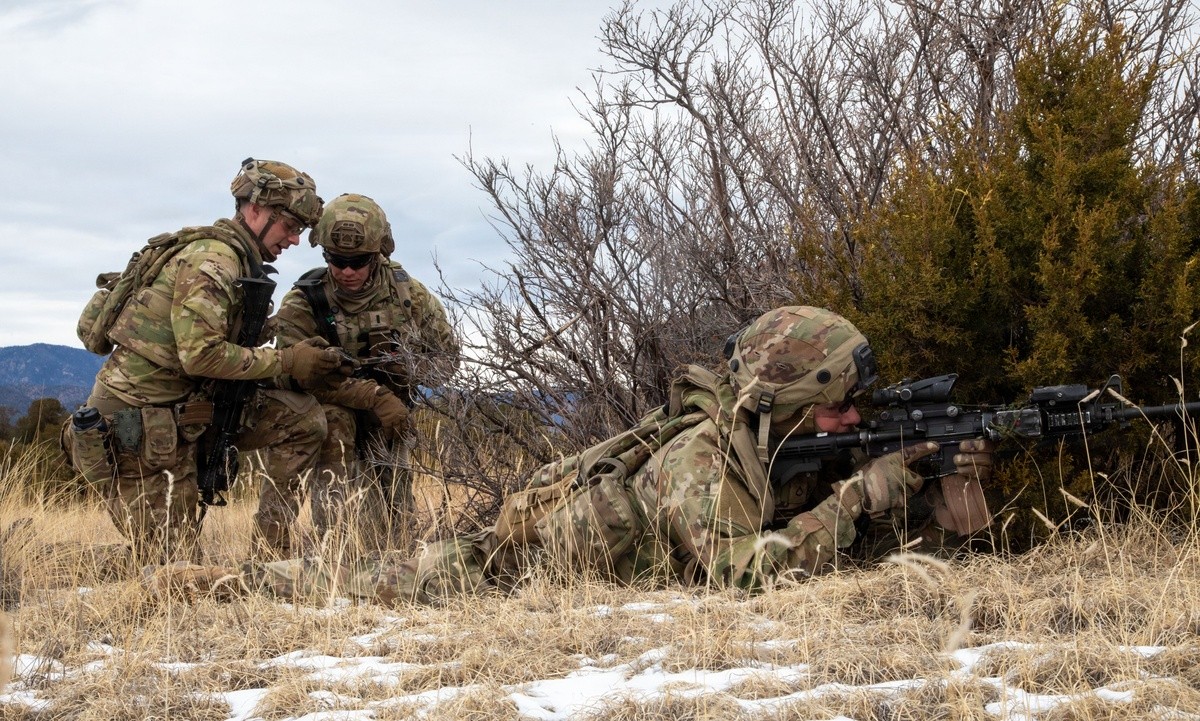
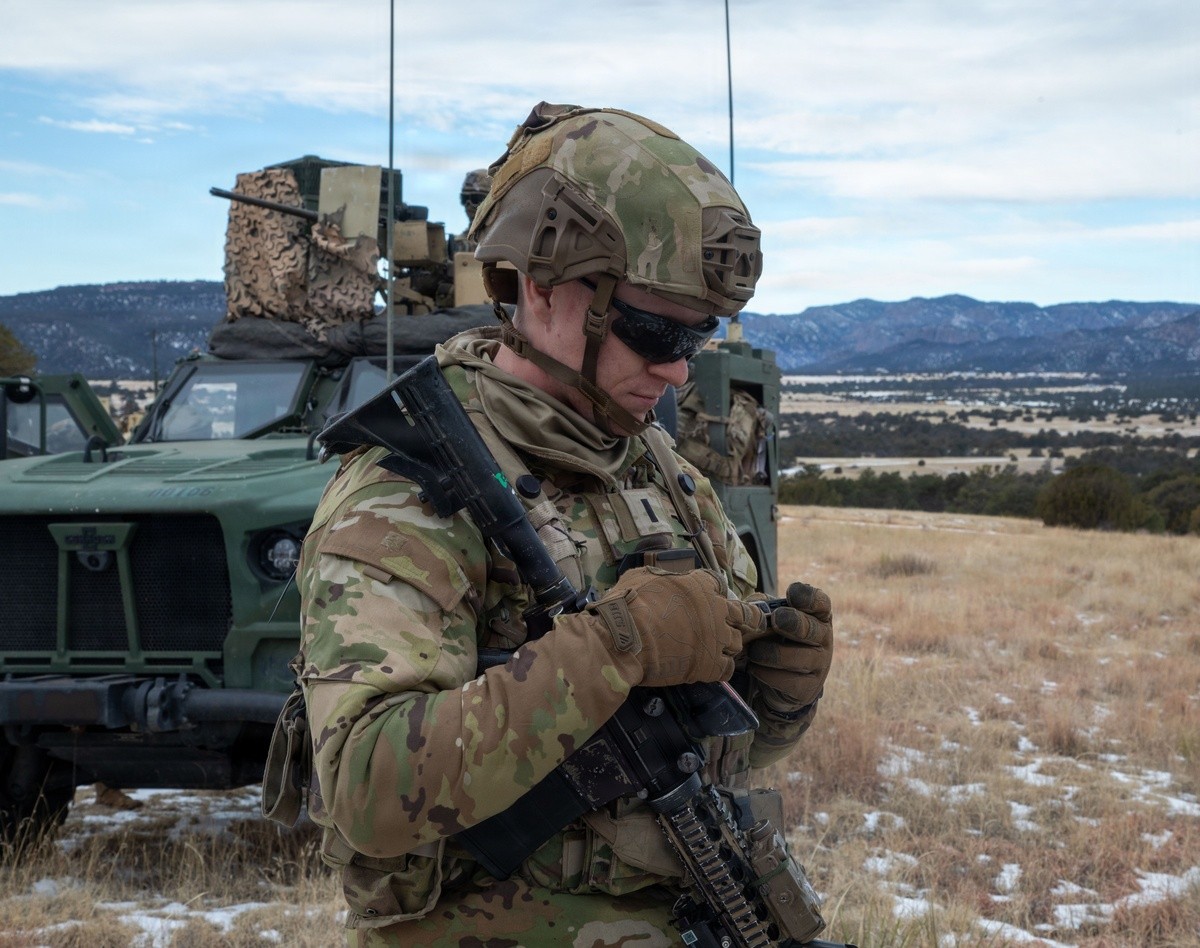
ABERDEEN PROVING GROUND, Md. — During one of the panels at the Army’s recent technical exchange meeting with industry, Army leaders delivered their unique warfighter perspectives on “Operationalizing Next Generation Command and Control,” or NGC2, each addressing the challenge from the lens of his individual foxhole, while firmly joined in a singular mission — to enable commanders to make better, faster decisions.
Technical Exchange Meeting 15, TEM15, provided a forum for Army leaders to update industry partners on its transformational NGC2 efforts and potential opportunities. The event was hosted by Capability Program Executive Command, Control, Communications, and Network and Command and the Control Future Capability Directorate, Transformation and Training Command at Aberdeen Proving Ground in late January.
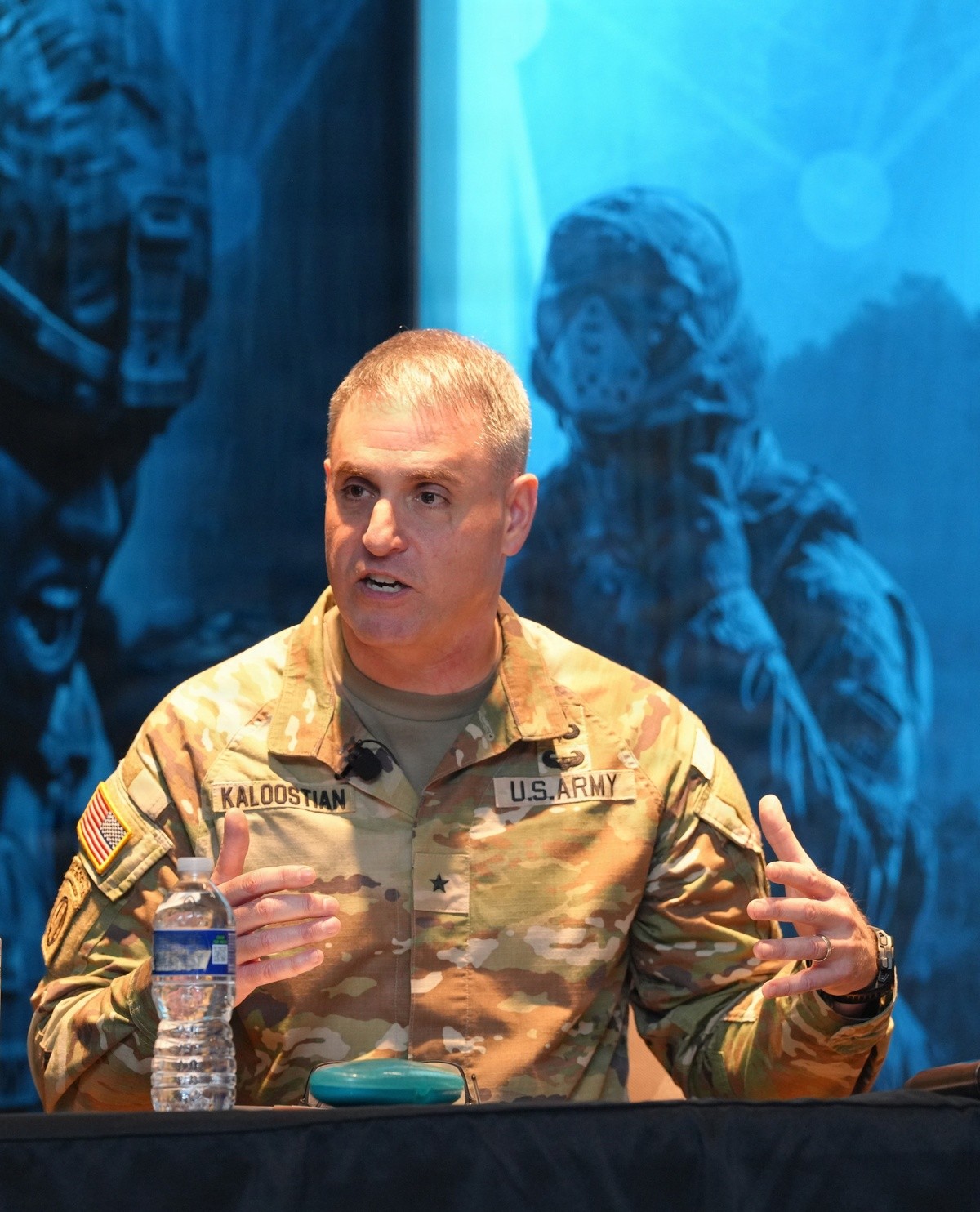
Dual-hatted as a TEM15 co-host and panel moderator, Brig. Gen. Michael Kaloostian, director Control Future Capability Directorate, said the leaders on the panel were helping the Army to drive rapid NGC2 capability iteration and integration into Army formations, while adopting an integrated data layer and transformative network technologies at speed. He said the Army is working collectively with its organizations, operational units, and industry partners to shape NGC2 to be effective and provide commanders with war-winning capabilities and decision overmatch.
“NGC2 is not just a piece of technology, it’s an ecosystem,” Kaloostian said. “And that ecosystem…is going to be the way we holistically change as an Army. It’s going to change the way that we fight. It’s going to change the way that we organize, train, and develop our leaders…It's incredible to see where we were less than six months ago, [compared] to where we are now with this prototype effort.”
Operational training events fused with Soldier-driven experimentation — such as the 4th Infantry Division’s Ivy Sting and 25th Infantry Division’s Lightning Surge — are conduits for innovation that are iteratively growing in scale, and they will continue to inform and transform NGC2 and fielding to the broader Army in the future.
“These deliberate and episodic exercises that mix with experimentation, give commanders the ability to identify things that are working, [and] really, the things that are not working,” said Dr. Alex Miller, chief technology officer to the Chief of Staff of the Army. “I cannot stress this enough, the technology is not an end, it’s a means. The AI is not an end; it's a means. It allows commanders to use the tools that we give them, employ it for their jobs, and employ their formations in the ways that they need to, and then provide feedback on what doesn’t work.”
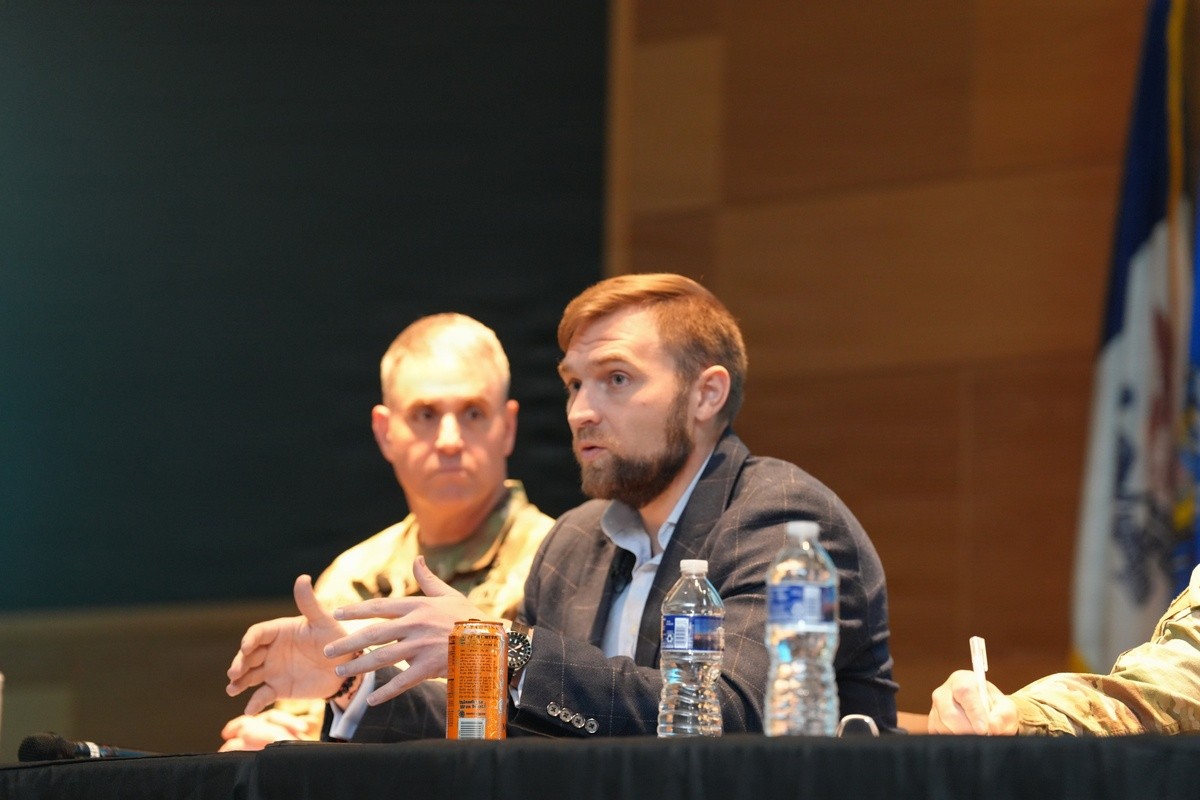
NGC2 — a fundamental redesign of the Army’s command and control system — collapses legacy mission command information systems into an integrated data layer, where Army formations collectively operate. Legacy warfighting systems are either replaced with transformative commercial technologies or integrated into the ecosystem and used in new ways with adapted concepts and refined doctrine based on recent relevant experience.
Maj. Gen. Patrick Ellis, 4th ID commanding general and Kaloostian’ s predecessor, has been on the front lines of NGC2 innovation since its inception. He said one of the game-changers for his division is getting data organized into a coherent integrated data layer and consolidating data into a unified data layer, versus separate individual hardware boxes. This enables warfighters to build new software applications tools and use data in new ways, such as leveraging operational modeling tools fueled by artificial intelligence that enable the Army to think through challenges and “fundamentally fight differently.”
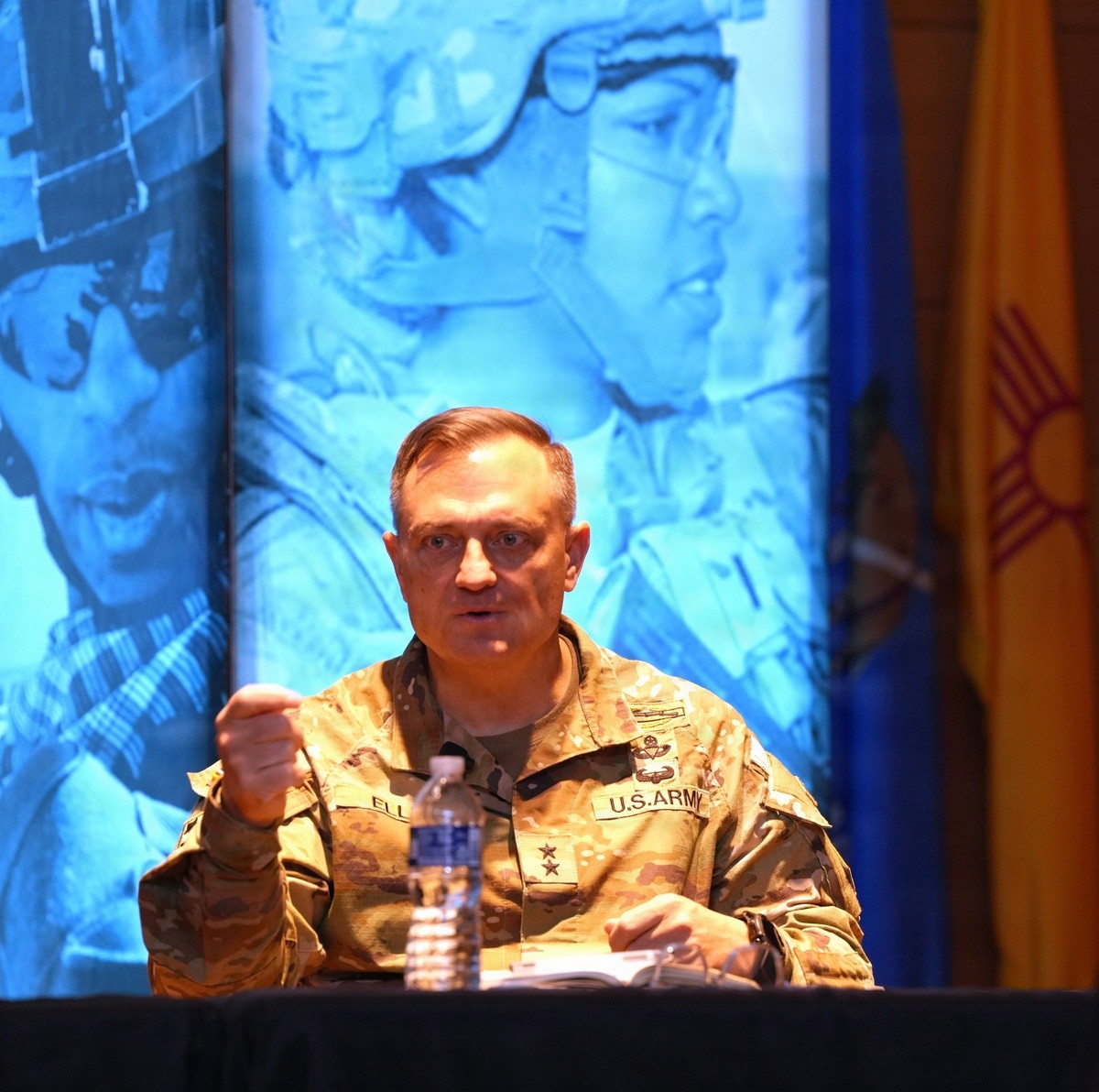
Having the data accessible from a common data layer “is underwriting all of this,” Ellis said. “We see a future where we're going to onboard and offboard applications all the time. It's going to allow us to be more fluid in our software approach, but what that really is allowing us to do, is to be much more effective on the battlefield…We are just scratching the surface on what the art of the possible [really] is.”
Ellis also noted the importance of continually enhancing C2 transport and diversity, delivering multiple options of smaller, survivable and mobile transport nodes, to enable commanders to make the necessary risk-informed decisions they need to keep critical data flowing on contested and ever-changing battlefields.
“The commander can say, look, I understand the risk here…I'm going to use pLEO today or use 5G here today, because that's my understanding of the battlefield,” Ellis said. “We have to have the tools to help inform that and we have to train our Signaleers to think that way, but let commanders assume the risk.”
From his view as the director of the Mission Command Center of Excellence, Brig. Gen. Antwan Dunmyer said that his biggest insight from observing the 4th ID and 25th ID NGC2 prototype formations remains the increased confidence in the staff.
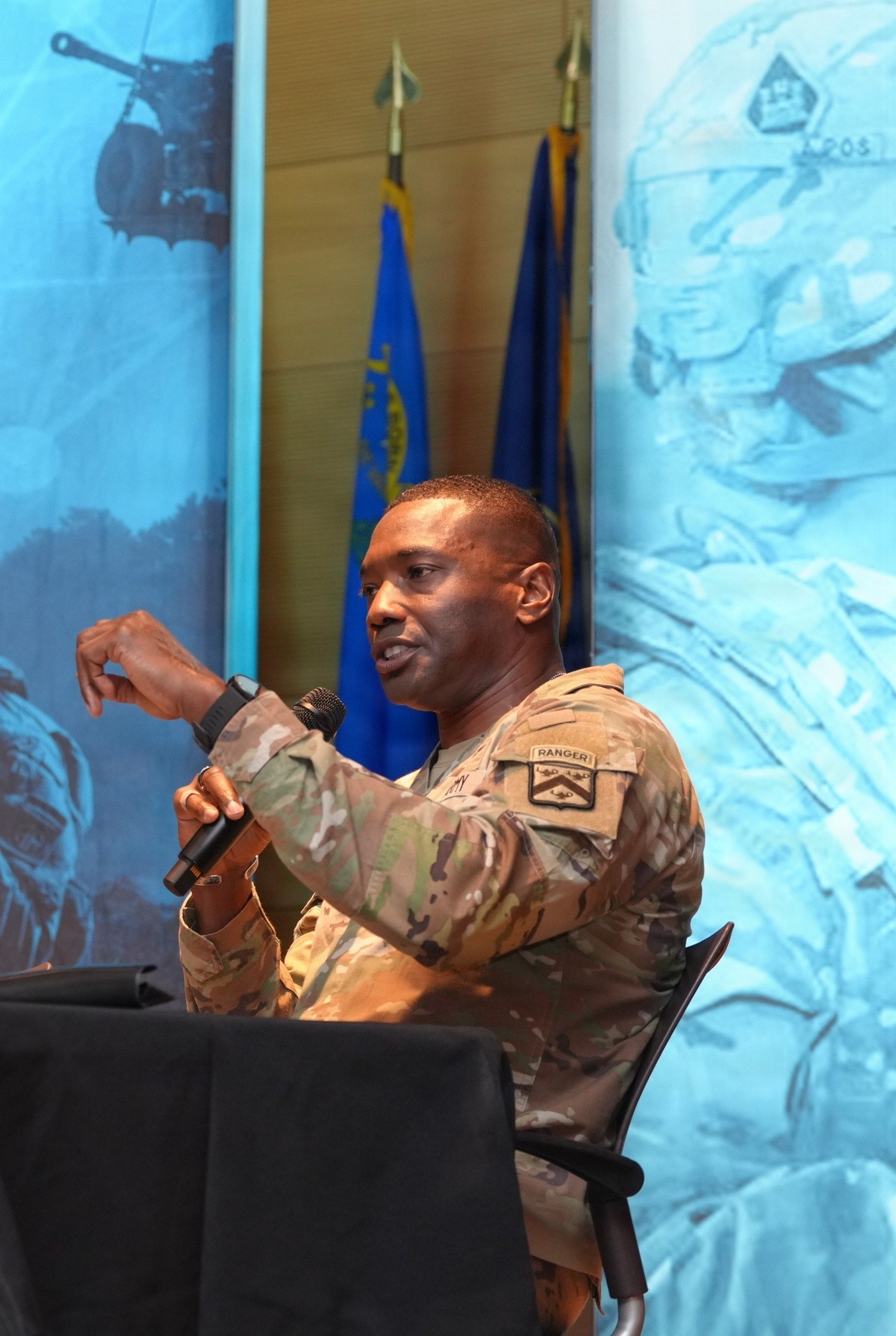
"It’s really [about] seeing humans being able to adapt rapidly, not only to the tools that they are receiving, but also to understand the environment they are operating in, and then understanding the commander’s intent and guidance and what he is trying to accomplish based on the battlefield framework,” he said. “As the humans adapt, they’re figuring out ways to be able to streamline processes, and then when the tools come in — AI and ML and others — it will help them speed up some of those processes to get even faster.”
“The biggest thing behind the C2 integrated assessments is our ability to be in the dirt with formations, not only at Combat Training Centers, but also at home station,” Dunmyer said. “We fight as formations and as echelons, and at any time we go to war, we're going to fight as a total force. It's [about] continuing to work through that to be able to deliver [capability] to our operational force commanders.”
Social Sharing