1 / 7Show Caption +Hide Caption –
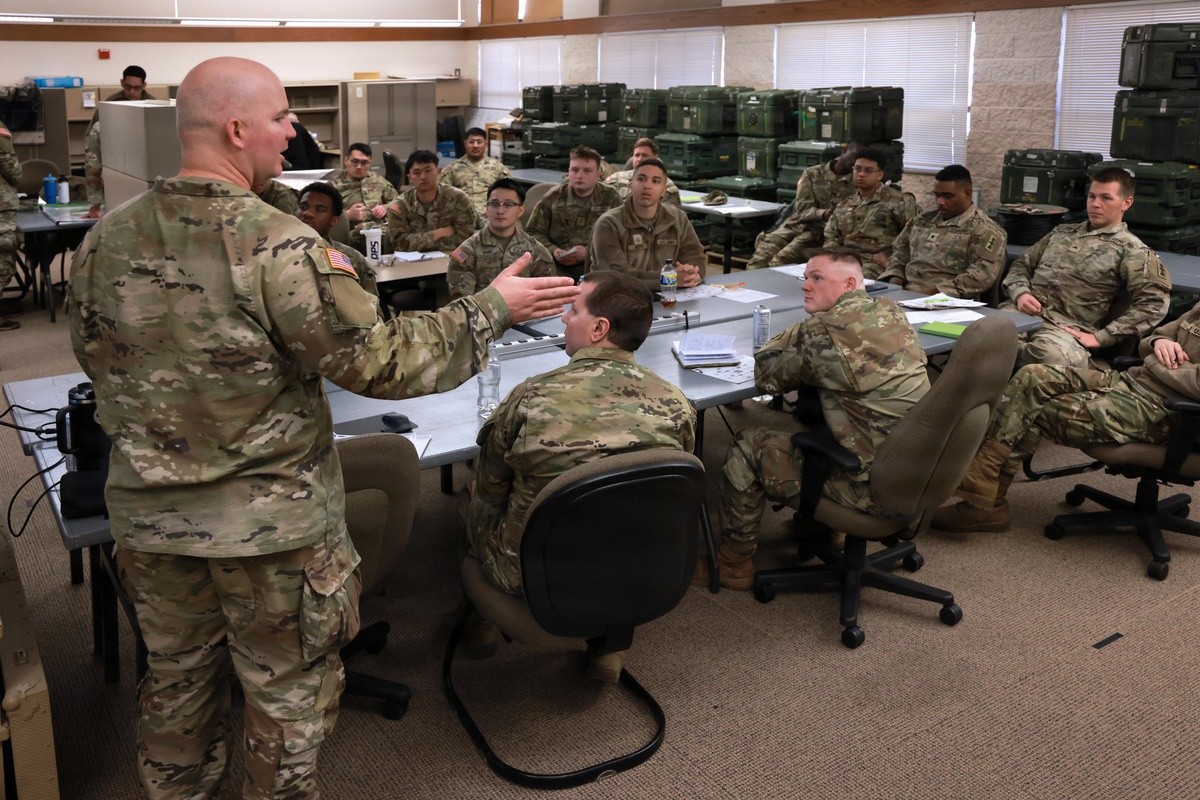
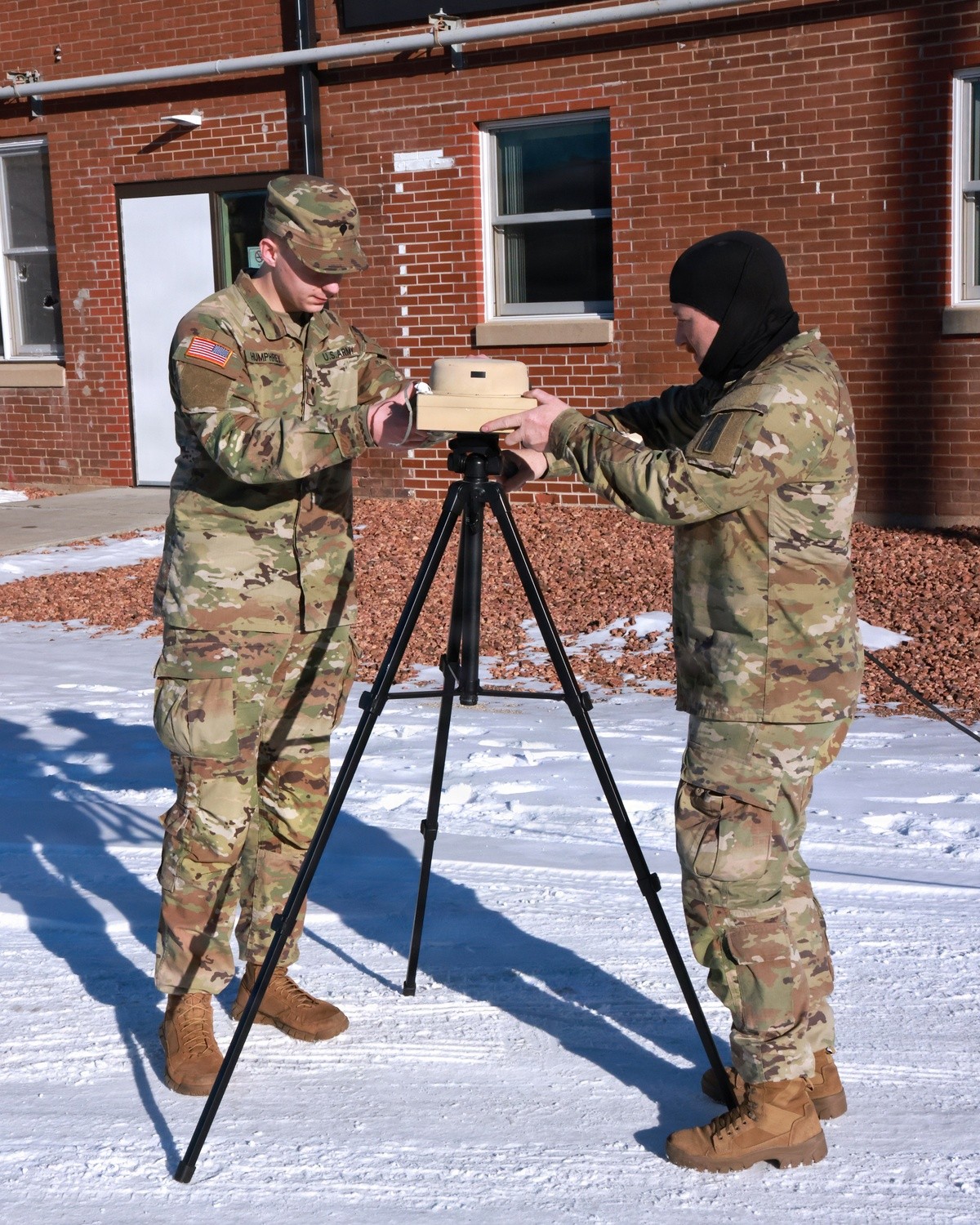
U.S. Army Sgt. Daniel Rowley, senior command post node instructor for the 32nd Infantry Brigade Combat Team, Wisconsin Army National Guard, instructs signal specialists to use CPN equipment to establish a secure network in austere environments during a combined signal exercise at Camp Douglas in Central Wisconsin, Jan. 31, 2026. The annual exercise, hosted by the 32nd IBCT S6, included more than 100 signal Soldiers from multiple major subordinate commands and focused on the complex communications environments they are likely to encounter during state emergencies and future wars.
(Photo Credit: Senior Master Sgt. Paul Gorman)VIEW ORIGINAL2 / 7Show Caption +Hide Caption –
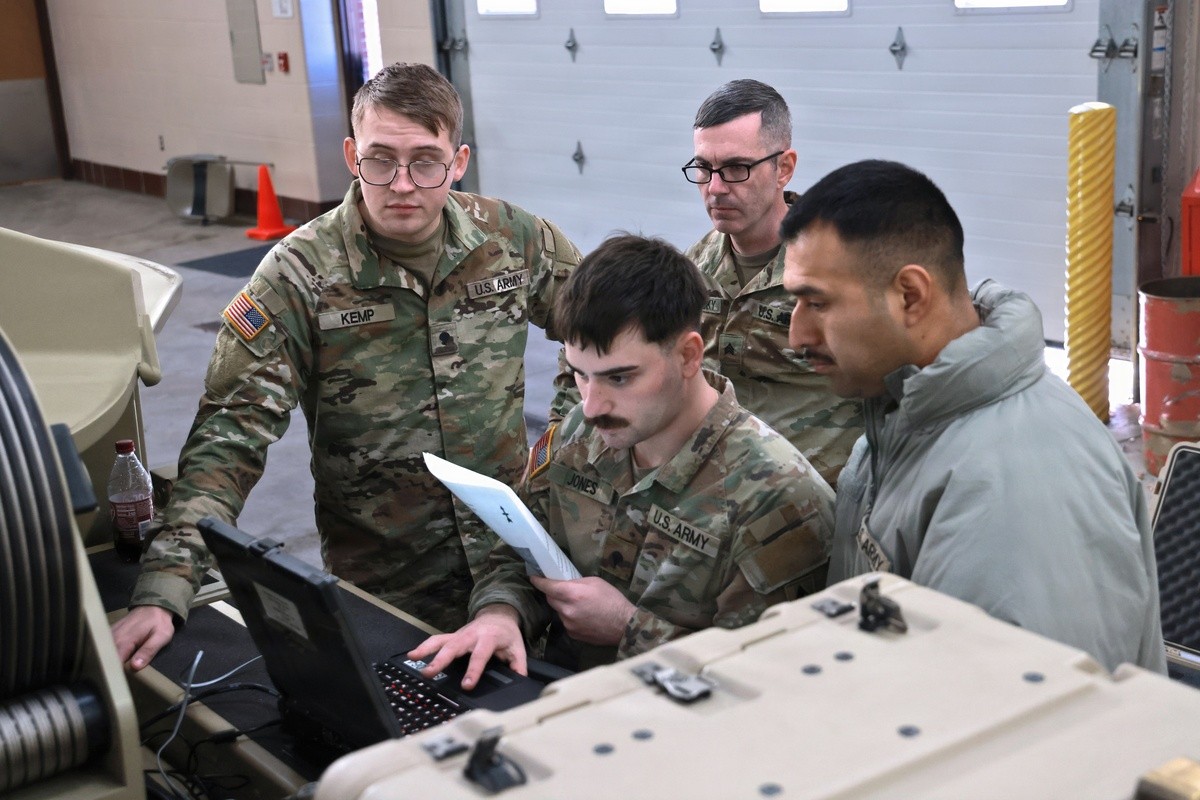
U.S. Army Spc. Jack Kemp, a network communication systems specialist assigned to the 173rd Brigade Engineer Battalion, Wisconsin Army National Guard, trains 32nd Infantry Brigade Combat Team signal specialists to operate a satellite transportable terminal during a combined signal exercise at Camp Douglas in Central Wisconsin, Jan. 31, 2026. The annual exercise, hosted by the 32nd IBCT S6, included more than 100 signal Soldiers from multiple major subordinate commands and focused on the complex communications environments they are likely to encounter during state emergencies and future wars.
(Photo Credit: Senior Master Sgt. Paul Gorman)VIEW ORIGINAL3 / 7Show Caption +Hide Caption –
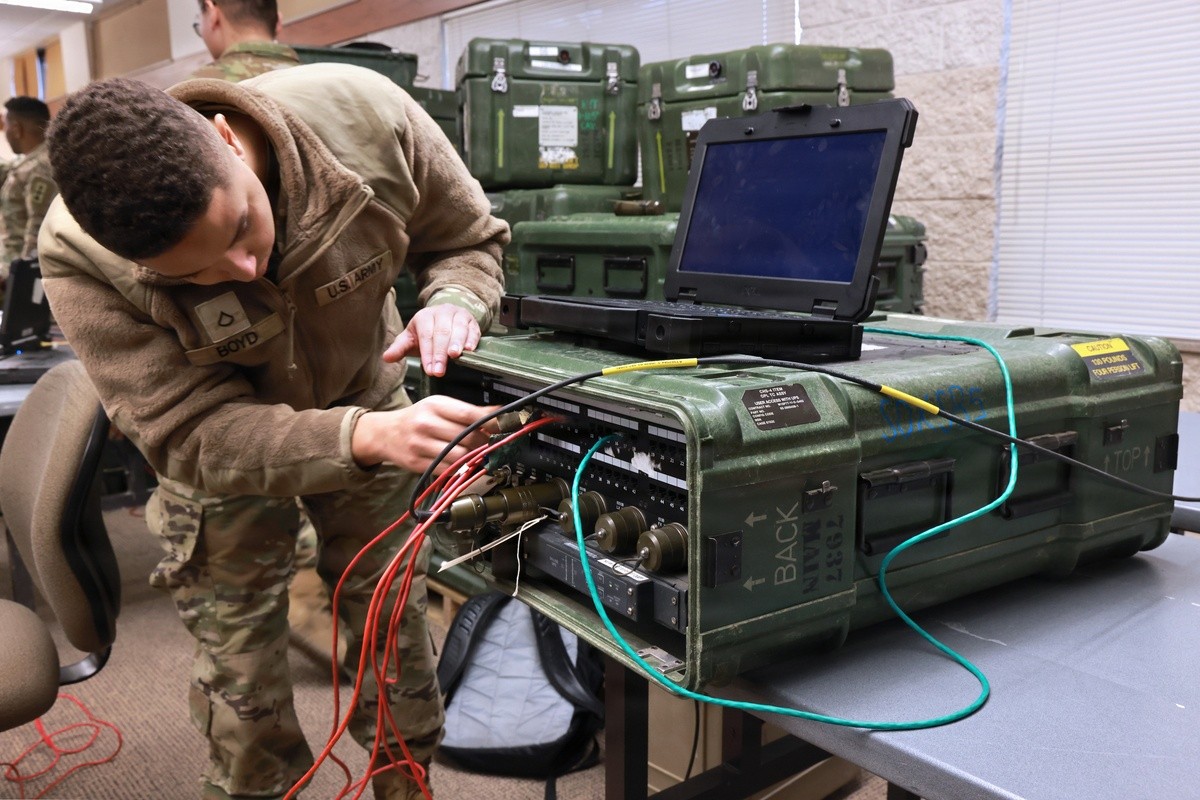
U.S. Army Pfc. Preston Boyd, an information technology specialist with the 1st Squadron, 105th Cavalry Regiment, Wisconsin Army National Guard, connects to a command post node switcher during a combined signal exercise at Camp Douglas in Central Wisconsin, Jan. 31, 2026. The annual exercise, hosted by the Wisconsin Army National Guard's 32nd Infantry Brigade Combat Team S6, included more than 100 signal Soldiers from multiple major subordinate commands and focused on the complex communications environments they are likely to encounter during state emergencies and future wars.
(Photo Credit: Senior Master Sgt. Paul Gorman)VIEW ORIGINAL4 / 7Show Caption +Hide Caption –
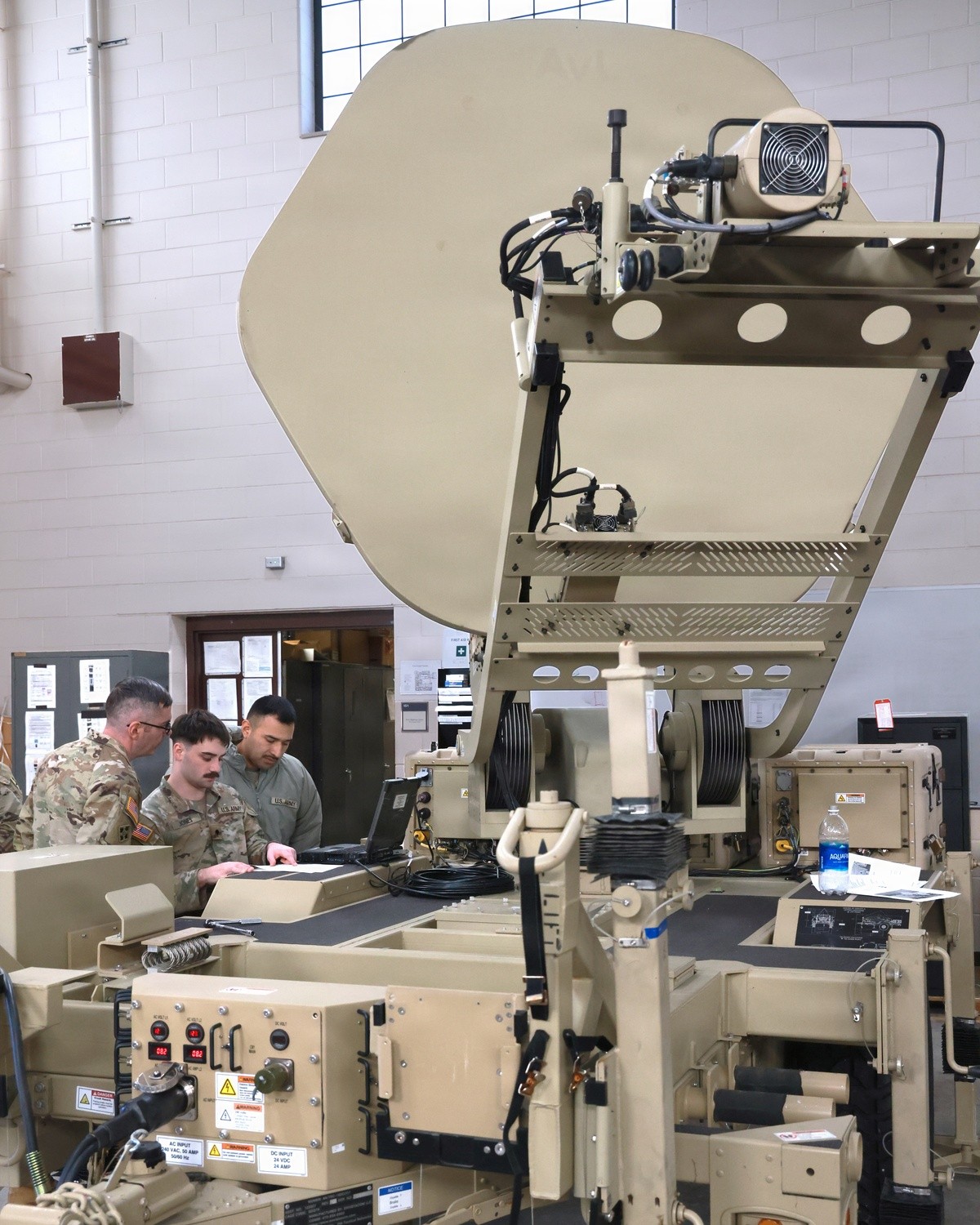
U.S. Army signal specialists assigned to the 32nd Infantry Brigade Combat Team, Wisconsin Army National Guard, operate a satellite transportable terminal during a combined signal exercise at Camp Douglas in Central Wisconsin, Jan. 31, 2026. The annual exercise, hosted by the 32nd Infantry Brigade Combat Team S6, included more than 100 signal Soldiers from multiple major subordinate commands and focused on the complex communications environments they are likely to encounter during state emergencies and future wars.
(Photo Credit: Senior Master Sgt. Paul Gorman)VIEW ORIGINAL5 / 7Show Caption +Hide Caption –
U.S. Army signal specialists assigned to the 32nd Infantry Brigade Combat Team, Wisconsin Army National Guard, set up Mounted Mission Command equipment used to provide live command and control information in austere environments during a combined signal exercise at Camp Douglas in Central Wisconsin, Jan. 31, 2026. The annual exercise, hosted by the 32nd IBCT S6, included more than 100 signal Soldiers from multiple major subordinate commands and focused on the complex communications environments they are likely to encounter during state emergencies and future wars.
(Photo Credit: Senior Master Sgt. Paul Gorman)VIEW ORIGINAL6 / 7Show Caption +Hide Caption –
U.S. Army Sgt. Zander Fluhr, a network communication systems specialist with the 173rd Brigade Engineer Battalion, Wisconsin Army National Guard, interfaces with a command post node during a combined signal exercise at Camp Douglas in Central Wisconsin, Jan. 31, 2026. The annual exercise, hosted by the 32nd Infantry Brigade Combat Team S6, included more than 100 signal Soldiers from multiple major subordinate commands and focused on the complex communications environments they are likely to encounter during state emergencies and future wars.
(Photo Credit: Senior Master Sgt. Paul Gorman)VIEW ORIGINAL7 / 7Show Caption +Hide Caption –
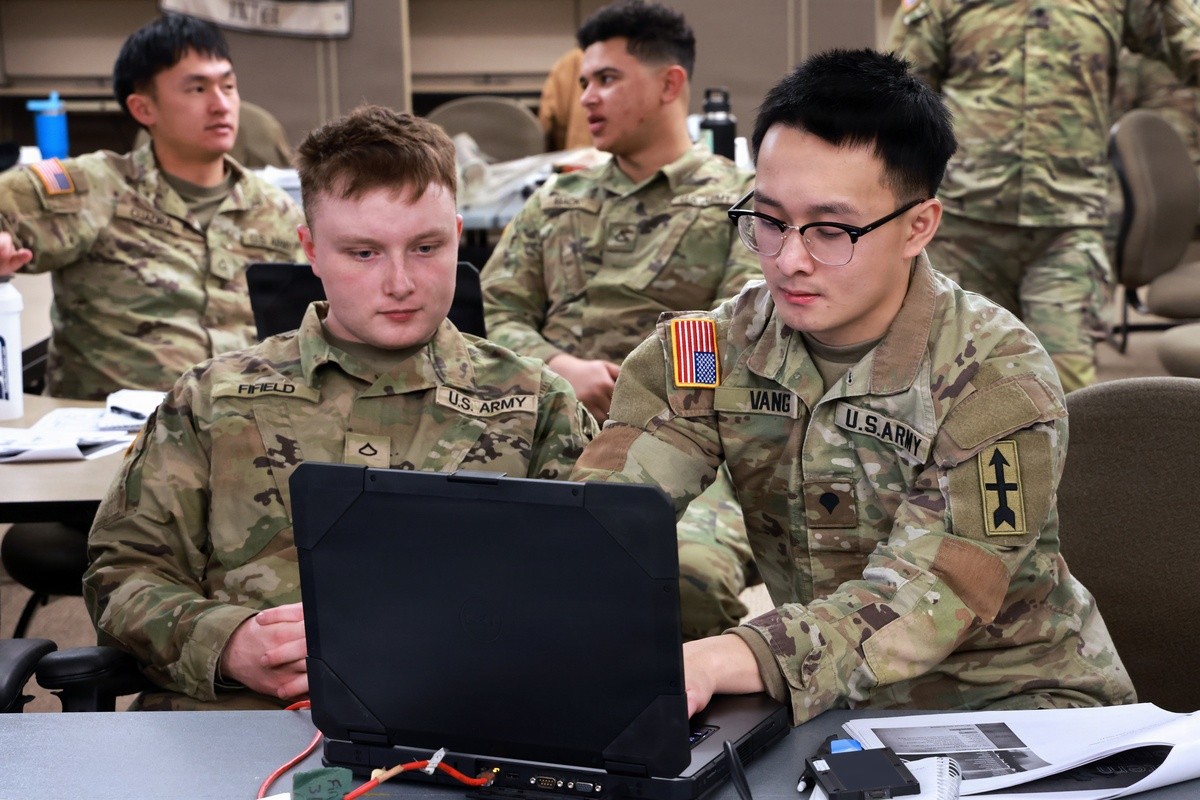
U.S. Army Pfc. Adrian Fifield, left, and Spc. Elias Vang, signal support systems specialists assigned to the 173rd Brigade Engineer Battalion, Wisconsin Army National Guard, interface with a command post node during a combined signal exercise at Camp Douglas in Central Wisconsin, Jan. 31, 2026. The annual exercise, hosted by the 32nd Infantry Brigade Combat Team S6, included more than 100 signal Soldiers from multiple major subordinate commands and focused on the complex communications environments they are likely to encounter during state emergencies and future wars. (Object in foreground obscured for OPSEC)
(Photo Credit: Senior Master Sgt. Paul Gorman)VIEW ORIGINAL
CAMP DOUGLAS, Wis. – More than 100 Wisconsin Army National Guardsmen assigned to multiple major subordinate commands gathered at Camp Douglas Jan. 31, for a combined signal exercise hosted by the 32nd Infantry Brigade Combat Team S6.
Training for the Signal Corps Soldiers focused on the complex communications environments they are likely to encounter.
A top priority was the Wisconsin National Guard Quick Reaction Force, or NGRF, mission. Soldiers dove into the specific communication requirements for domestic operations, gaining hands-on experience with trunked land mobile radio systems to ensure seamless interoperability with civilian public safety agencies during a crisis.
"This training tackles readiness on several critical fronts," stated Maj. Jamison Clark, the 32nd Infantry Brigade Combat Team S6 officer in charge. "We're sharpening our NGRF skills by integrating with civilian public safety networks for our state mission, while sustaining mastery of legacy systems for our federal requirements.”
The additional emphasis on legacy Warfighter Information Network-Tactical systems, such as Battalion Command Post Nodes, Command Post of the Future software and satellite transportable terminals, bolstered perishable skills, ensuring readiness for the 32nd’s federal mission.
Looking to the future, the exercise prepared attending Soldiers for a profound change in Signal Corps operations – the shift to Next Generation Command and Control, or NGC2.
The initiative is a core component of the Army's ‘transformation in contact’ strategy, recognizing that modernization must occur even as units remain engaged in competition and conflict.
“All of this prepares us for the coming leap to NGC2 and our future as a Mobile Brigade Combat Team,” Clark said. “It's about being ready now and staying ready for what's next.”
According to Chief Warrant Officer 2 Dan Clay, the 32nd Infantry Brigade Combat Team’s data operations warrant officer, the evolution is driven by the understanding that NGC2 is not just new equipment but a fundamental shift in mindset.
Its primary goal is to achieve ‘decision dominance’ – the ability for commanders to see, decide and act faster than any adversary, especially in environments where communications are denied, degraded, intermittent or limited.
“This new paradigm, in which data is the new ammunition, elevates the signal Soldier from a system operator to a decision enabler,” Clay said. "While other units are reading PowerPoint slides about the future, we're already building it.”
Clay believes that Wisconsin’s decision to acquire NGC2 Starshield terminals well before the equipment is fielded will provide an invaluable opportunity to surmount any problems that may arise.
“By the time everyone else gets the gear, our Soldiers will have written the book on how to fight and win with it," he stated.
Master Sgt. Adam Collins, 32nd Infantry Brigade Combat Team S6 section chief, was instrumental in organizing the two-day training course.
According to Collins, planning the annual event begins as soon as the previous iteration ends. After-action reports submitted by attending Soldiers are vital to ensuring training is tailored to the needs of each military occupational specialty within the Signal Corps.
“Dedicated training opportunities are not readily available to signal Soldiers,” Collins said. “Training is tied directly to the performance of our real-world mission.”
The combined signal exercise allowed attending Soldiers to focus on training without the pressures of real-world scenarios and provided opportunities for networking among signal specialists from multiple major subordinate commands.
According to Collins, the hope is to see the exercise grow into a statewide event, obtaining participants from other National Guard or Reserve units in the region while continuing to focus on the development, modernization and enhancement of Wisconsin’s signal community.

Social Sharing