In the dynamic and often unpredictable landscape of modern military operations, the ability to sustain the force is paramount. While serving in U.S. Africa Command (AFRICOM), we were consistently confronted with challenges that tested the very limits of our supply chains. From internal conflicts erupting with little warning to severe weather washing out the only ground networks leading to our troops, the operational environment demanded more than just a standard logistics plan; it demanded resilience. These experiences, which forced us to collaborate closely with our sister services, DLA-Distribution, DLA-Troop Support, and DLA-Energy, underscored a critical evolution in sustainment philosophy: the need for Resilient Logistics.
Defining Resilience
Resilient Logistics is the capacity and capability to absorb, adapt, and respond to disruptions, challenges, and uncertainties in the operational environment, regardless of the cause. The primary goal is to ensure sustained support to joint forces to extend operational reach, ensure endurance, and maintain operational effectiveness to achieve strategic objectives. This is not simply about having a backup plan; it is about building a logistics enterprise that is inherently flexible, continuous, and responsive from the outset.
The AFRICOM Crucible: Resilience in Action
The challenges in AFRICOM provided a stark illustration of why this capability is so crucial. We faced a confluence of issues:
- Contested Environments: Internal fighting created no-go zones, making ground movement perilous and unpredictable.
- Infrastructure Failure: Monsoon rains washed out key Main Supply Routes (MSRs), completely severing ground lines of communication to remote outposts.
- Forced Adaptability: Threats along the MSRs became so significant that resupply was restricted only to air, a low-capacity, high-demand, and weather-dependent method.
- Geopolitical Shifts: The mandatory closure of bases required the rapid withdrawal and, in some cases, abandonment of essential equipment, forcing a complete re-evaluation of our sustainment posture.
Solving these problems required a unified, joint effort, integrating the capabilities of DLA and our joint partners to find creative solutions, from sourcing alternative fuel supplies with DLA-Energy to coordinating strategic airlift for critical parts.
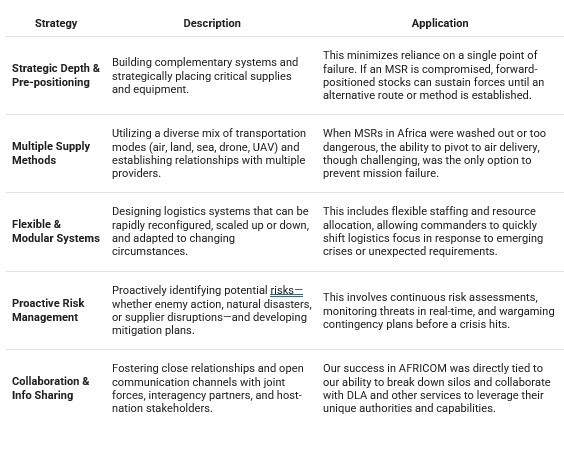
Core Strategies for Building a Resilient Logistics Enterprise
To achieve true resilience, logistics operations must be built on a foundation of proactive and adaptive strategies.
Transformation in Contact: The Decisive Edge
Ultimately, the bedrock of Resilient Logistics is our people. We must continue to invest in the development of logistics professionals, building a skilled and experienced workforce with the training, expertise, and empowered mindset needed to manage disruptions. The modern logistician must be a critical thinker and an innovator, capable of making informed decisions under pressure when the plan no longer matches the reality on the ground.
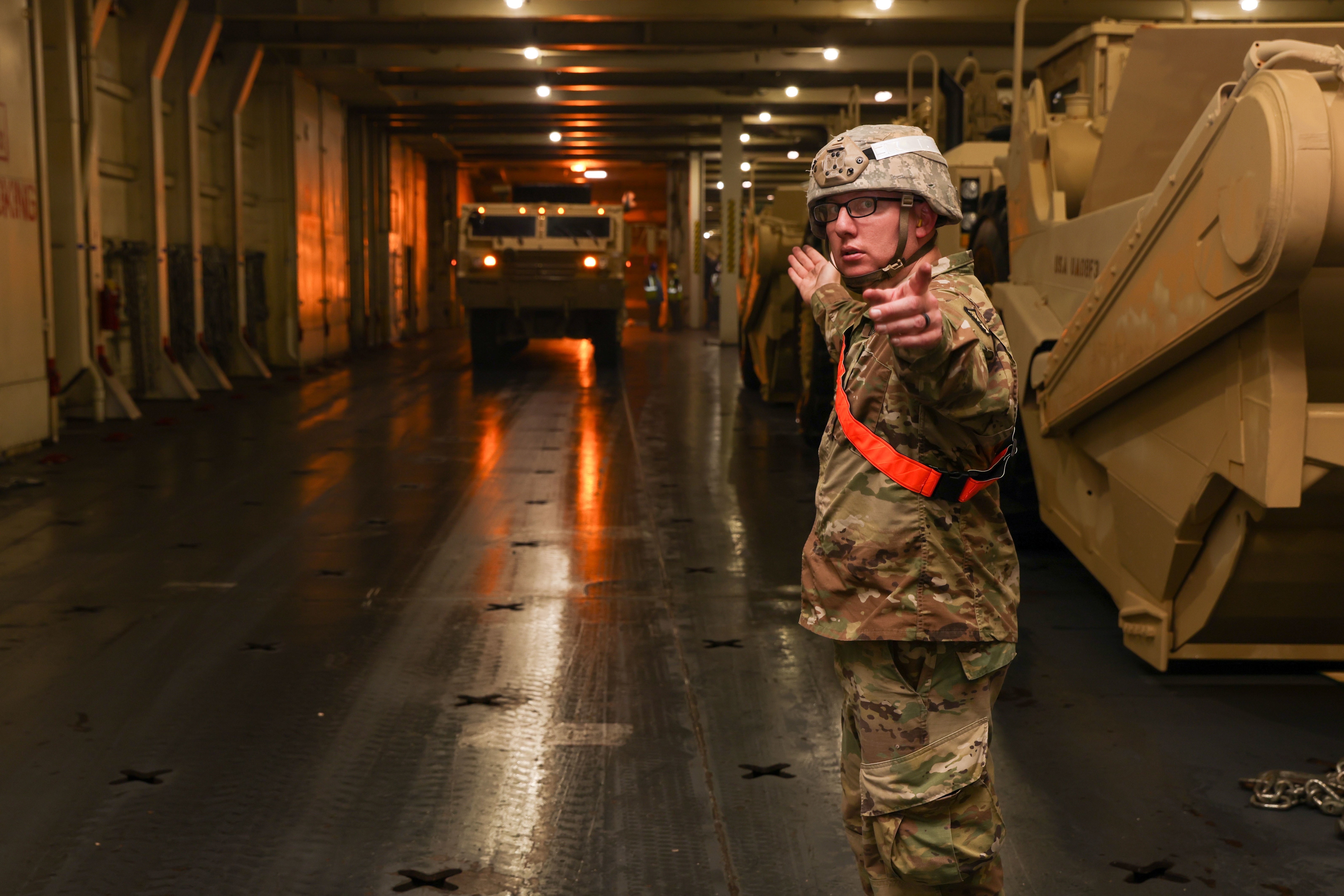
Resilient Logistics is not a destination but a continuous pursuit. It is a fundamental requirement for success in today's complex operational environments. By embedding the principles of strategic depth, flexibility, and collaboration into our doctrine, systems, and training, we ensure that Army sustainment remains a key enabler of victory, capable of assuring endurance and extending operational reach no matter what the challenge.
Bridging the Tyranny of Distance
The lessons forged in the crucible of AFRICOM are not confined to a single continent; they provide a vital blueprint for success in other contested and logistically challenging environments. As the U.S. strategic focus pivots to the Indo-Pacific, organizations like the 3d Multi-Domain Task Force and the broader U.S. Army Pacific (USARPAC) face a theater defined by what is often called the "tyranny of distance." The vast expanse of the Pacific Ocean presents a logistical problem set that, while different from the land-based challenges of Africa, is no less daunting. It is here that the principles of Resilient Logistics must be adapted and applied with renewed urgency to ensure the credibility of our combat power.
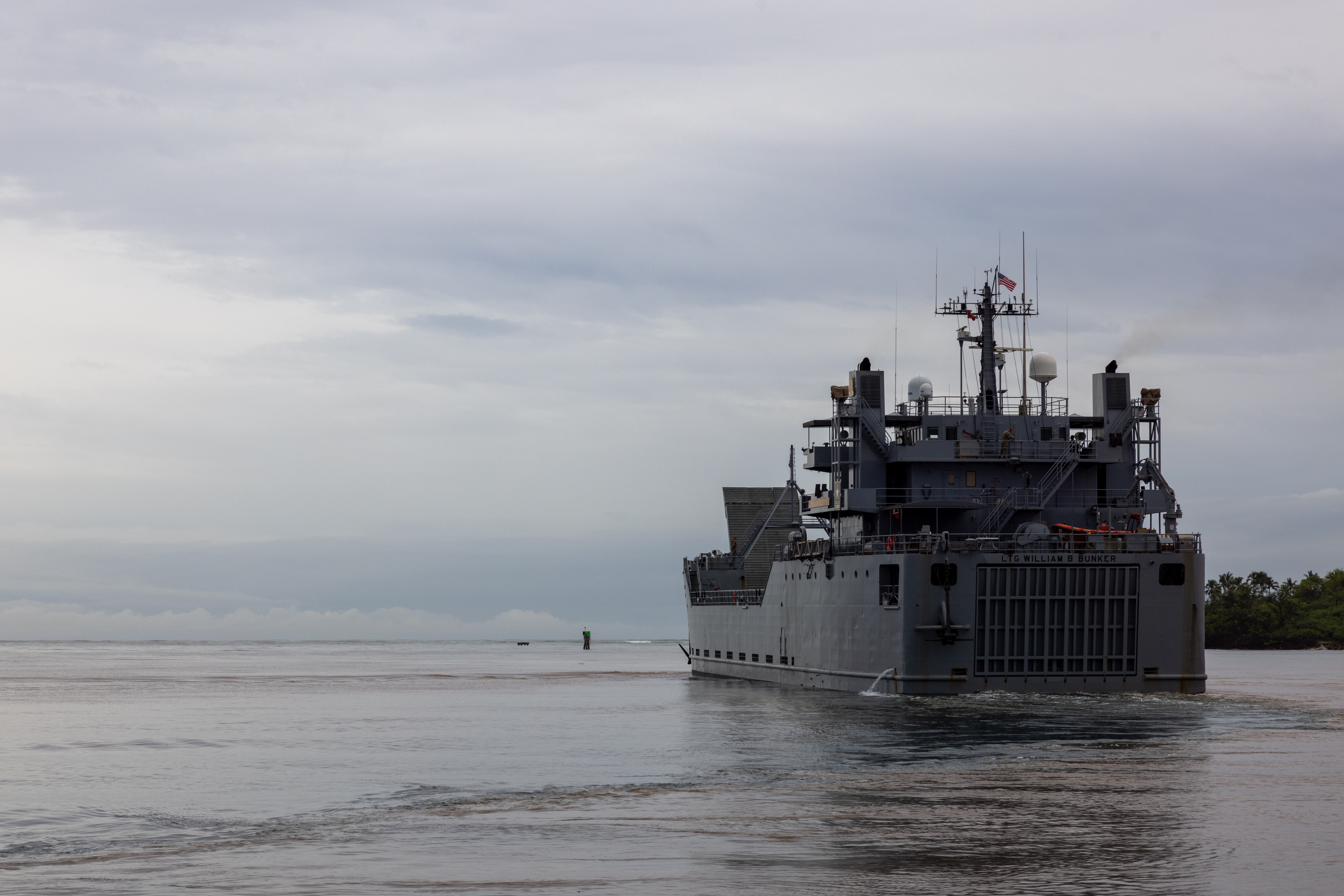
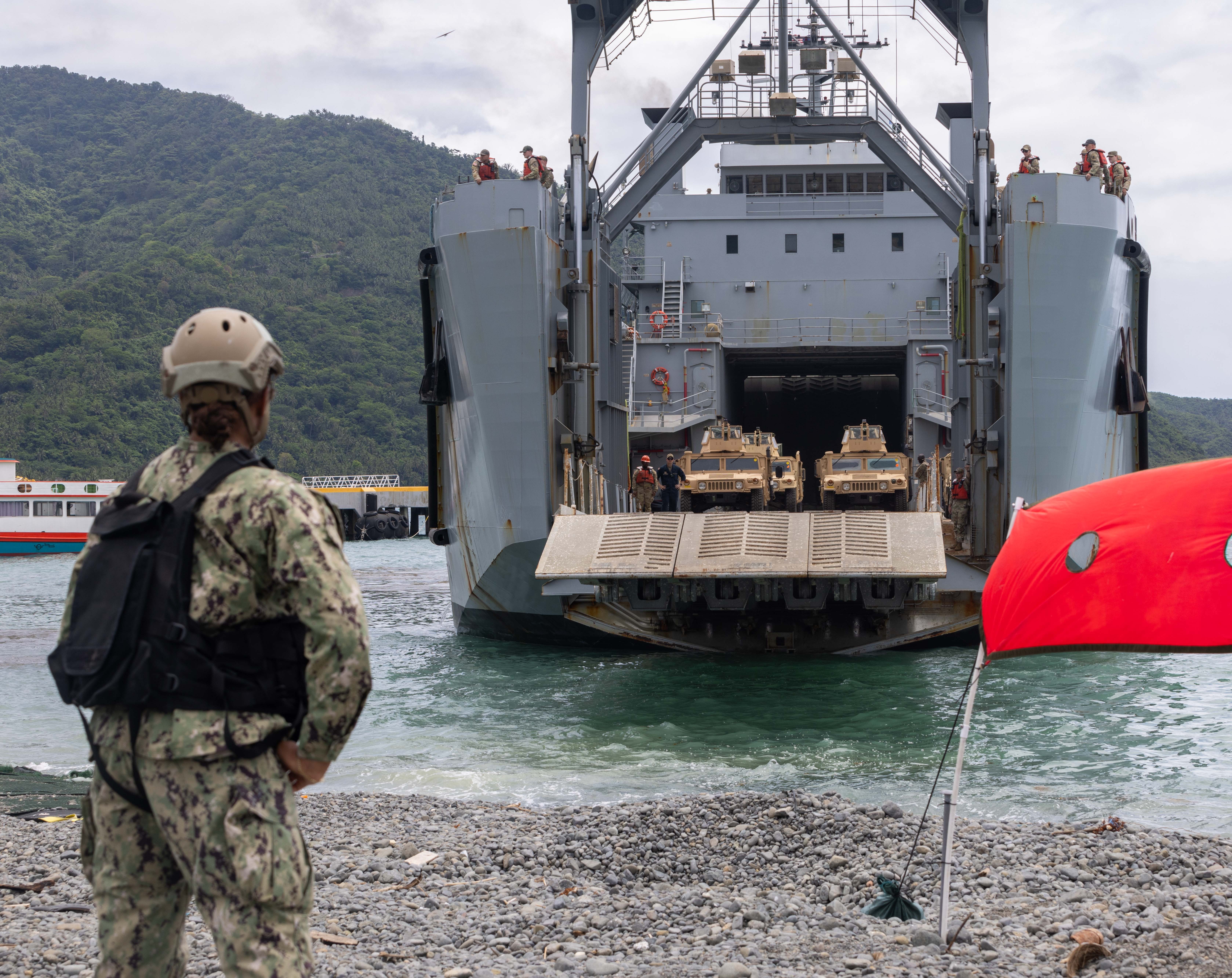
Although the African continent is vast via land, the 8th Theater Sustainment Command (TSC) and USARPAC can use this concept to close its logistical gaps across the immense maritime theater of the Indo-Pacific. The solution lies not only in a concerted effort to build a web of support by partnering with industry partners, interagency partners, and partner nations, but also in having the required unit capabilities postured and in place. This combined strategy aims to build a sustainable footprint for our forces that will possibly not be anywhere close to traditional resupply points.
This new paradigm of sustainment is built on a foundation of deep, multi-faceted collaboration. Industry partners are no longer just vendors but integral components of the logistics enterprise. Leveraging commercial shipping, advanced supply chain analytics from the private sector, and innovative technologies like autonomous systems for last-mile delivery can create a more dynamic and responsive distribution network. These partners offer access to established infrastructure and expertise that would take decades for the military to replicate.
A New Paradigm of Partnership
Simultaneously, interagency partners play an indispensable role. Collaboration with the Department of State is critical for negotiating the necessary agreements for access, basing, and overflight. These partnerships provide crucial insights into local infrastructure, resources, and potential friction points. This whole-of-government approach ensures that military logistics are synchronized with broader diplomatic and economic efforts, creating a more resilient and integrated national security posture.
Perhaps most critically, success in the Pacific hinges on our partner nations. Building interoperability with the armed forces of allies like Australia, Japan, the Philippines, and others is paramount. This goes beyond combined exercises; it means co-developing logistics networks, sharing supply chain data, and establishing agreements for mutual support. By nesting our logistics concepts within the framework of our alliances, we create a distributed and redundant network that is far more resilient to disruption than a purely U.S.-centric model.
Operationalizing Support for MDO
To translate these partnerships into operational reality, USARPAC is working to establish Joint Theater Distribution Points (JTDPs). These are not massive, sprawling depots of the past but agile, scalable hubs strategically located to support dispersed operations. A JTDP might be a shared facility on an allied-owned port, a temporary logistics node established on a remote island, or even a sea-based platform. From these points, a hub-and-spoke distribution model can efficiently move personnel and materiel forward.

The key is the proactive positioning of forward required classes of supply to meet the logistics requirements for multi-domain operations (MDO). MDO requires more than just "beans and bullets." It demands the prepositioning of specialized equipment for cyber and electronic warfare, advanced munitions for long-range precision fires, and sophisticated repair parts for high-tech systems. By working with partners to forward-stage these critical supplies, we reduce our reliance on a vulnerable and time-consuming strategic lift from the continental United States. This forward posture ensures that combat units have the resources they need to seize the initiative and maintain momentum in a crisis, embodying the very essence of endurance and operational reach that Resilient Logistics promises.
By weaving together, the capabilities of industry, interagency stakeholders, and partner nations, USARPAC and the 8th TSC can build a sustainable, resilient logistics network across the vast Pacific. This approach—establishing Joint Theater Distribution Points and positioning forward the necessary classes of supply—is the practical application of the lessons learned in AFRICOM. It is a testament to the understanding that in a contested environment, logistics is not merely a supporting function; it is a strategic enabler that underpins our ability to project power, assure our allies, and secure victory.
Social Sharing