JOINT BASE MYER-HENDERSON HALL, Va. – When an unprecedented winter storm blanketed the National Capital Region with several inches of snow and ice over the weekend, the Joint Base Myer-Henderson Hall response team was ready.
They sprang into action with a coordinated, multi-layered response that went a long way to lessen the long-term impacts of the storm and allow the installation to quickly resume normal operations here on America’s Post.
From the Emergency Operation Center (EOC) led by the Directorate of Plans, Training, Mobilization, and Security (DPTMS) to the tireless work of the Directorate of Public Works (DPW), all Joint Base offices played a critical role in maintaining safety and continuity of operations for service members, civilian employees, and their Families.
DPTMS: Orchestration at the heart of the response
Central to JBM-HH’s storm response was the stand-up of the EOC by DPTMS. The EOC serves as the nerve center for incident management, bringing together leadership and key staff to synchronize actions across the installation. Before, during, and after the winter weather, the EOC operated as an information and decision hub, orchestrating the response through multiple touch points with the installation commander and tenant leadership.
Joint Base operations personnel were on site, manning the EOC around the clock to ensure real-time visibility into weather developments, road conditions, resource availability, and unit needs. Their presence on the ground allowed for rapid assessment and prioritization, ensuring that critical infrastructure and mission-essential activities received attention first.
The EOC facilitated a continuous loop of communication: data gathered from DPW, the Directorate of Emergency Services (DES), housing, and tenant units fed into the EOC, where it was analyzed, translated into actions, and then relayed back to those tasked for the response.
“This structure meant decisions were informed, timely, and transparent,” said Enoch Godbolt, DPTMS Director. “The Joint Base Command Team received regular situational updates, enabling them to direct resources where friction points were most acute and to get our mission partners back doing their vital mission on behalf of the nation.”
The EOC’s approach emphasized collaboration and accountability, with DPTMS coordinating touchpoints not only with the Joint Base command team, but also with tenant units that spanned several both Fort Myer, Henderson Hall, and Fort McNair. This multi-point communication model reduced duplication of efforts, avoided competing priorities, and allowed for a unified response despite the storm’s widespread impact.
The EOC’s multiple weather briefings highlighted the installation’s priorities: keeping critical facilities accessible, protecting personnel, and maintaining a stable flow of information to the community.
DPW: Prioritizing snow removal and maintaining access
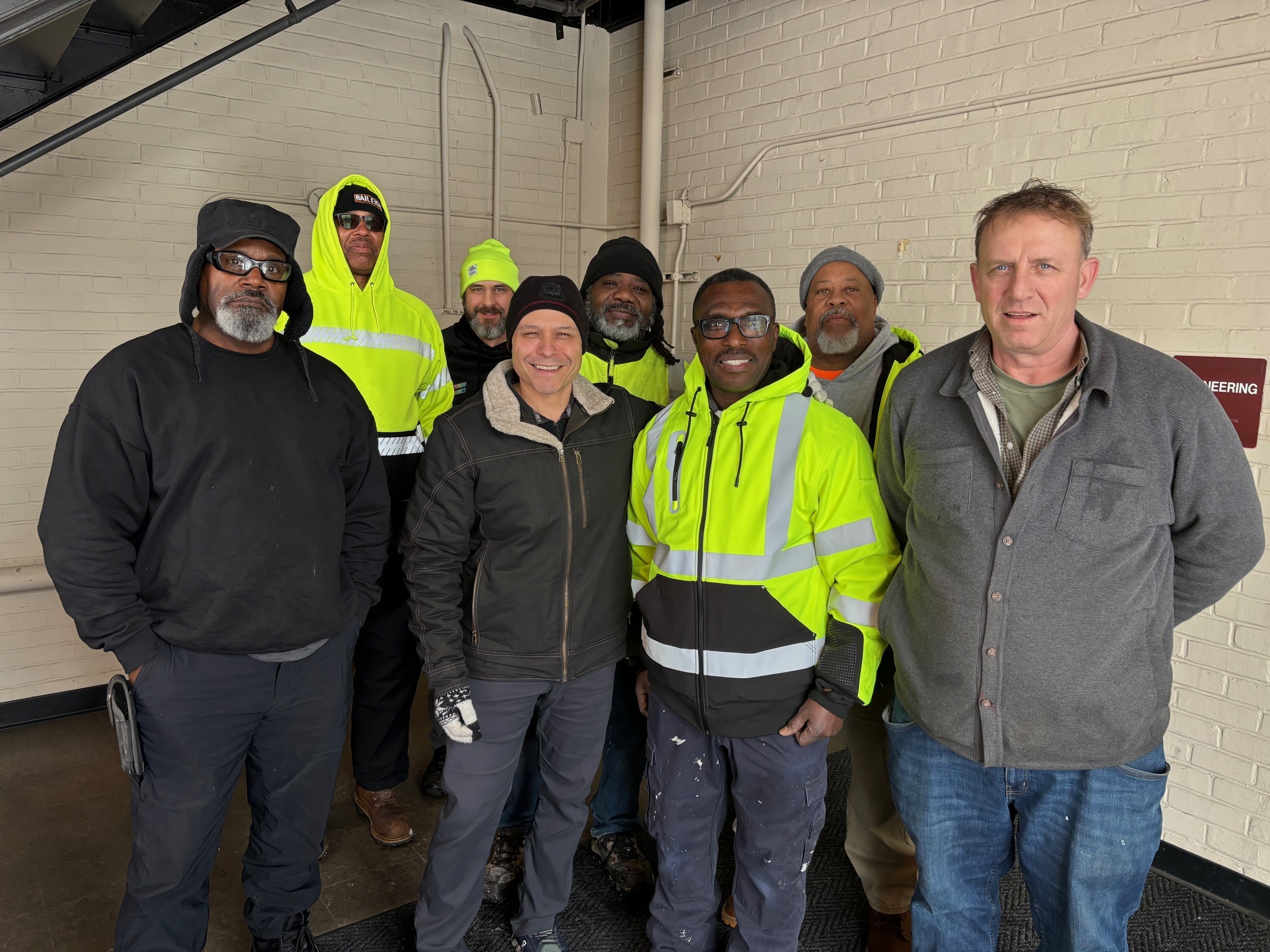
One of the most visible tasks during the storm was snow removal. DPW led the charge, deploying crews in relentless shifts to clear snow and ice from roadways, sidewalks, and critical access points. The DPW teams worked through the storm for 72 hours straight, a marathon effort designed to keep essential routes open for movement of personnel and residents.
The DPW’s operations were not simply about plowing. They involved strategic planning to prioritize main roads, gates, and housing areas, systematically clearing the paths that allowed tenants and residents to move safely around JBM-HH and McNair. The DPW crew also addressed icing on road surfaces and walkways, applying de-icing agents to reduce risk and improve traction for vehicles and pedestrians alike.
“The endurance of DPW staff, and their ability to mobilize, rotate, and reassign crews as conditions evolved, was a cornerstone of our response,” said Col. Keith P. Sandoval, Joint Base Commander. “Our response was predicated on DPW’s ability to literally move blocks of ice around the installation, and they more than accomplished that mission.”
In close coordination with the EOC, DPW crews were fielded according to the installation’s evolving priorities. As reports of inclement conditions came in from tenant units, DPW adjusted routes and resources to maximize impact. This dynamic workflow, grounded in real-time information from DPTMS and tenant units, made the snow removal effort more efficient and effective, allowing for safer passage while maintaining essential operations.
Housing Office: Rapid response to resident needs
The Joint Base Housing Office played a vital role in preserving the safety and well-being of families living on the installation. Staff were on call to respond quickly to resident work orders arising from the storm. Whether it was addressing heating issues, malfunctioning locks, or blocked access, housing personnel prioritized calls based on urgency and impact on safety and daily life.
Resident safety was a central concern. The on-call housing team worked in concert with security and DPW to restore access, restore function, and reduce the risk posed by freezing conditions. The housing team also helped communicate expectations and guidance to residents, including updates on road conditions, shelter options, and critical closures, further reducing uncertainty and anxiety during the storm.
DES: Police, Fire, and Physical Security-Safeguarding the community
The storm demanded an all-hands-on-deck approach from public safety professionals. Police and fire personnel were actively deployed to monitor conditions, respond to calls for service, and support the EOC’s incident management efforts. They worked to ensure the safety of communities across the installation, including monitoring traffic, patrolling vulnerable areas, and maintaining open gates so essential traffic could pass.
Security guards braved extreme cold to keep gates open and secure, ensuring that access control remained reliable even in harsh weather. Their steadfast presence helped reduce incident risk during travel and allowed critical movement for personnel and delivery of essential services.
PAO: Keeping the community informed
The Public Affairs Office (PAO) played an essential role in maintaining situational awareness across the JBM-HH community. By actively pushing information through the My Army Post App (MAPA) and other digital media platforms, the PAO kept residents, service members, families, and civilian staff informed about closures, safety advisories, and evolving conditions. Timely updates on weather conditions, road statuses, and service interruptions helped community members make informed decisions and minimize exposure to hazardous conditions.
“At the end of the day, our communications strategy is to provide clear, timely, and accurate messages to those in our community,” said Jason Shepherd, Joint Base Public Affairs Officer. “Effective communication reduces confusion and enables residents and workers to respond calmly and efficiently, which is why working closely with the EOC and tenant units to properly articulate our operational status was vital to our success.”
The result: A resilient, coordinated response
The snow and ice storm tested JBM-HH’s systems, people, and processes. The integrated approach—DPTMS’s EOC leadership, DPW’s relentless snow removal, housing’s rapid response to resident needs, the vigilance of police and fire, the dedication of security personnel, and the PAO’s timely communication—resulted in a resilient operation that protected life and property while preserving essential services.
“The storm underscored a timeless principle of military readiness: preparedness is a team effort, built on clear roles, reliable communication, and engaged leadership,” Sandoval said. “In that spirit, JBM-HH demonstrated that even in the harshest winter weather, resilience is achieved through unity of effort and a steadfast focus on community welfare.”
Social Sharing