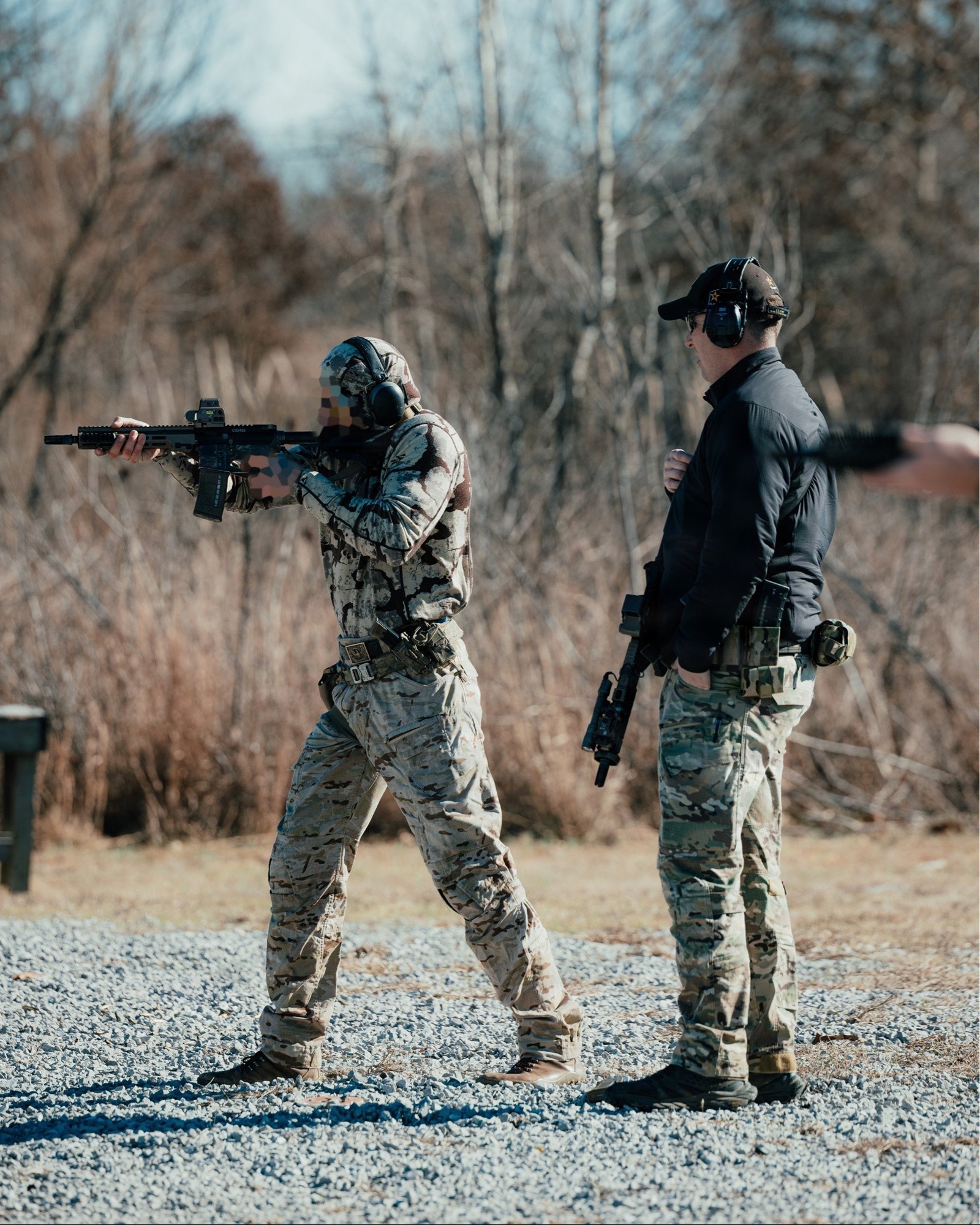
The image has been blurred to protect the identity of the operators.
(U.S. Army photo by Sgt. 1st Class Timothy Hamlin) VIEW ORIGINAL
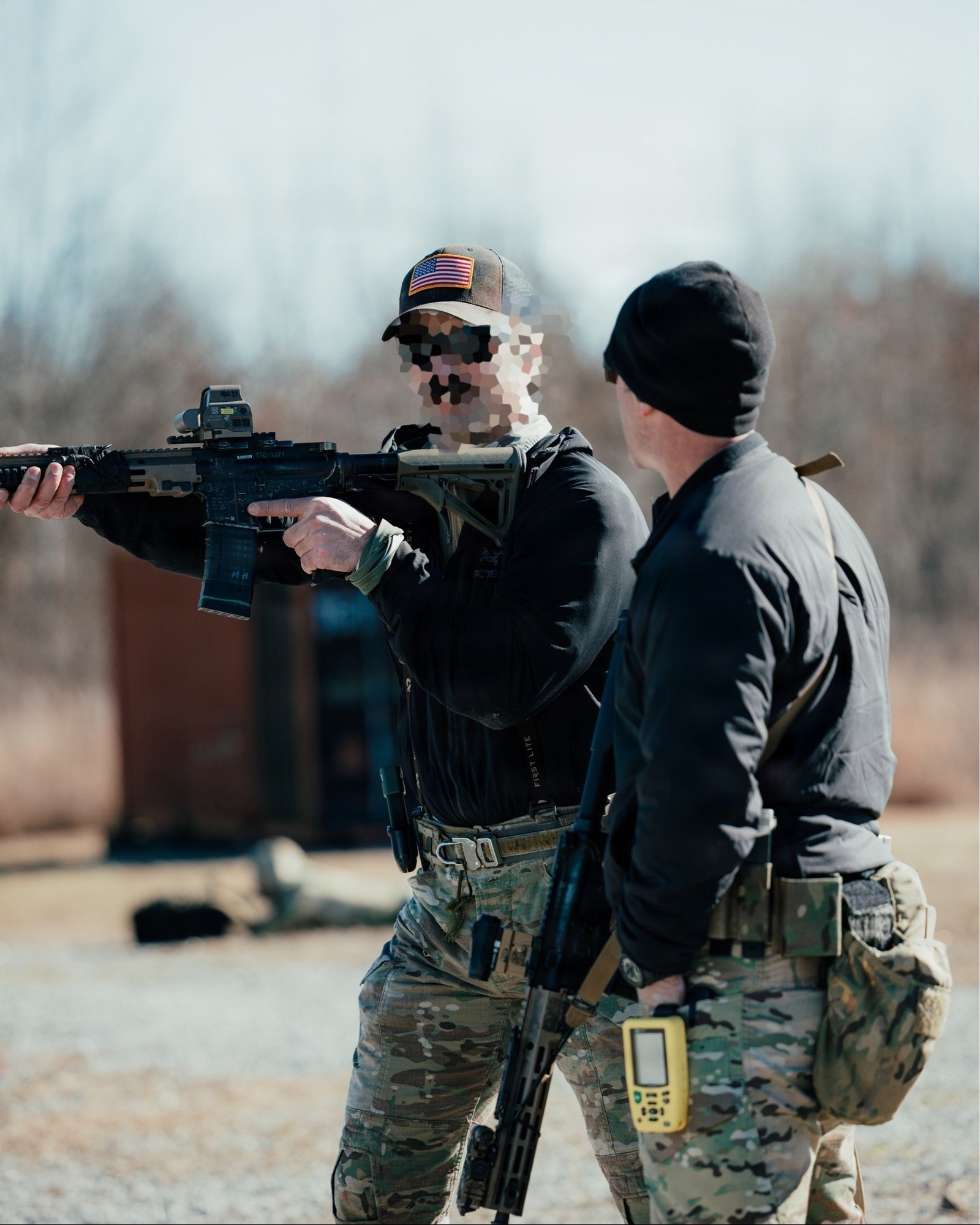
The image has been blurred to protect the identity of the operators.
(U.S. Army photo by Sgt. 1st Class Timothy Hamlin) VIEW ORIGINAL
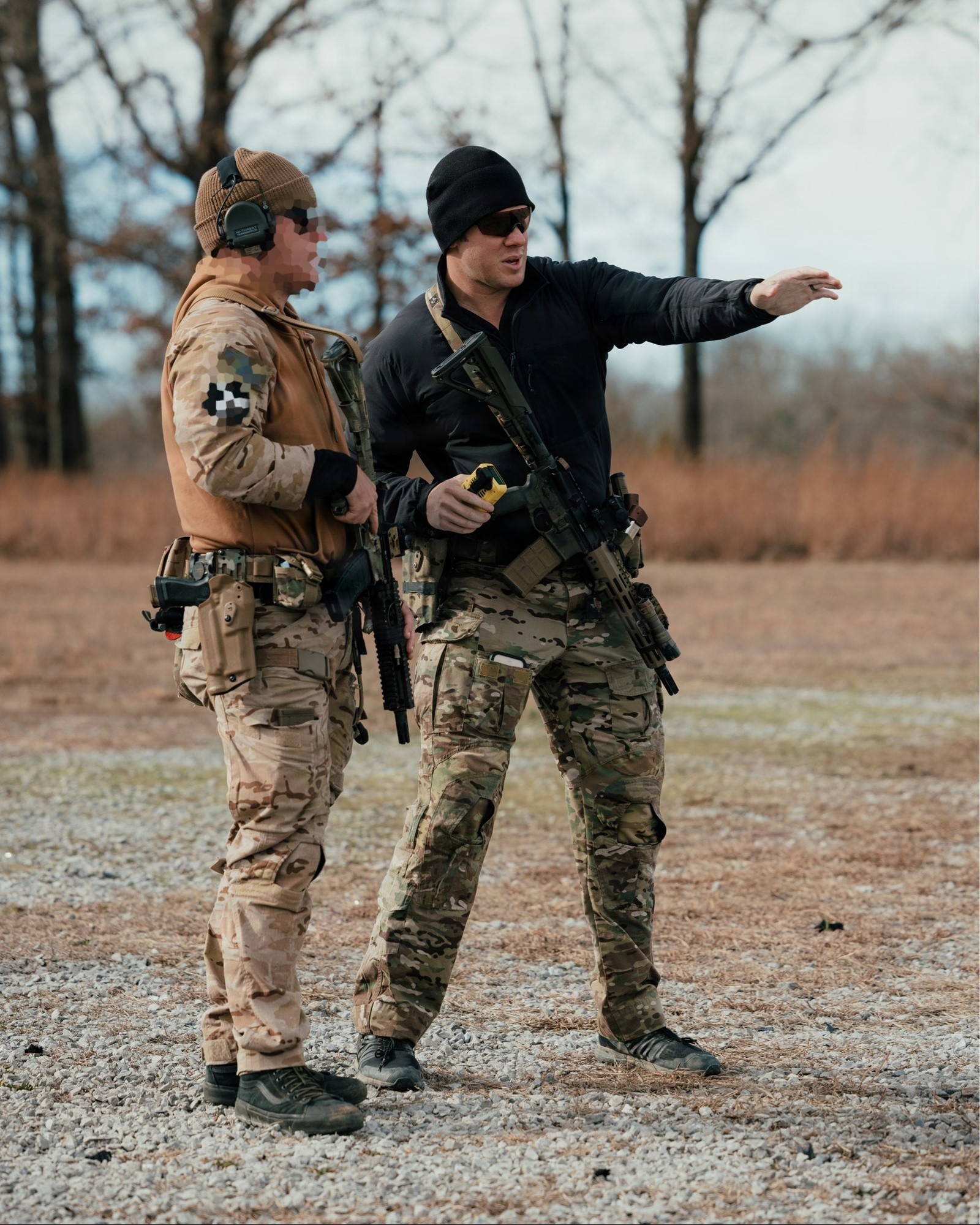
The image has been blurred to protect the identity of the operators.
(U.S. Army photo by Sgt. 1st Class Timothy Hamlin) VIEW ORIGINAL
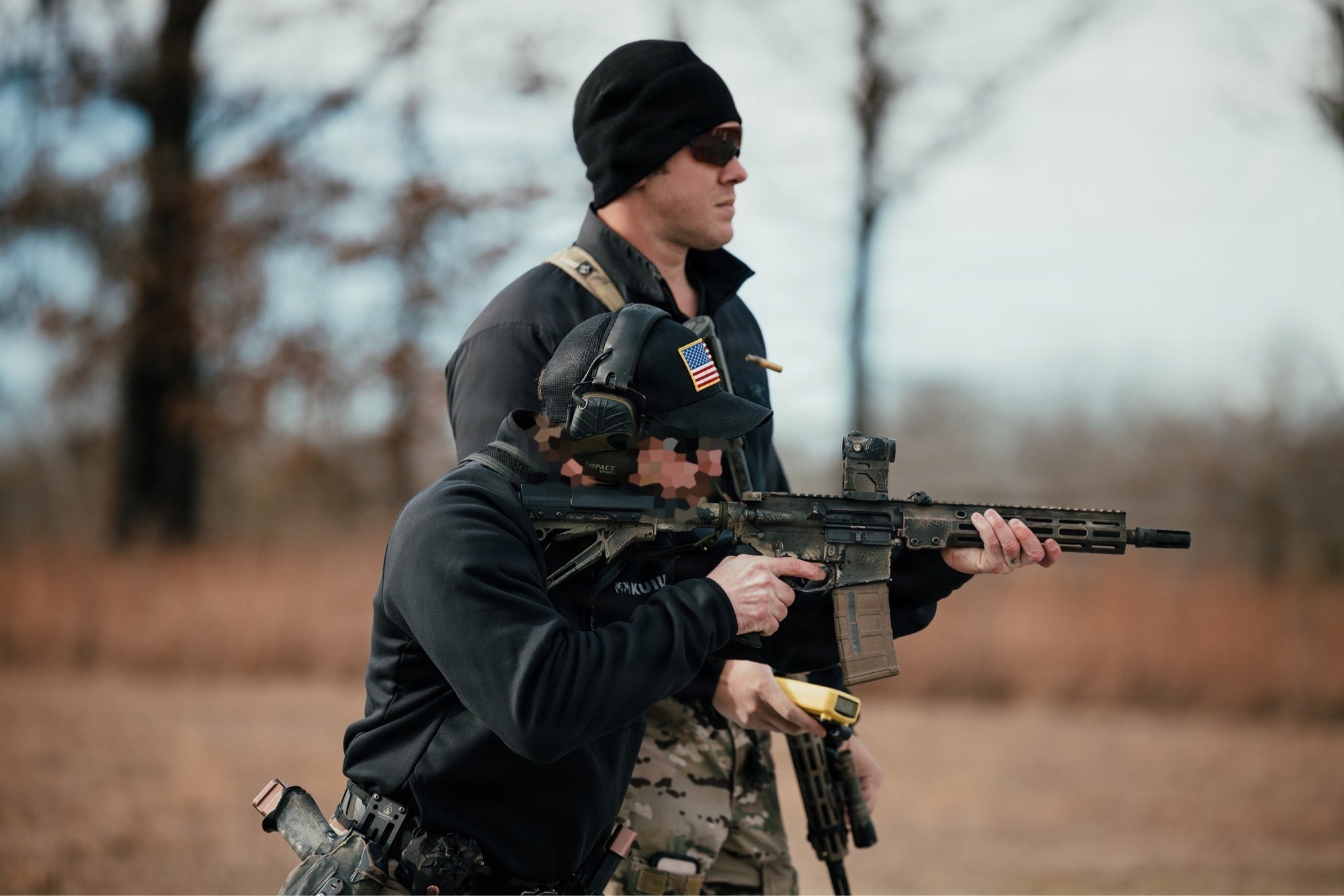
The image has been blurred to protect the identity of the operators.
(U.S. Army photo by Sgt. 1st Class Timothy Hamlin) VIEW ORIGINAL
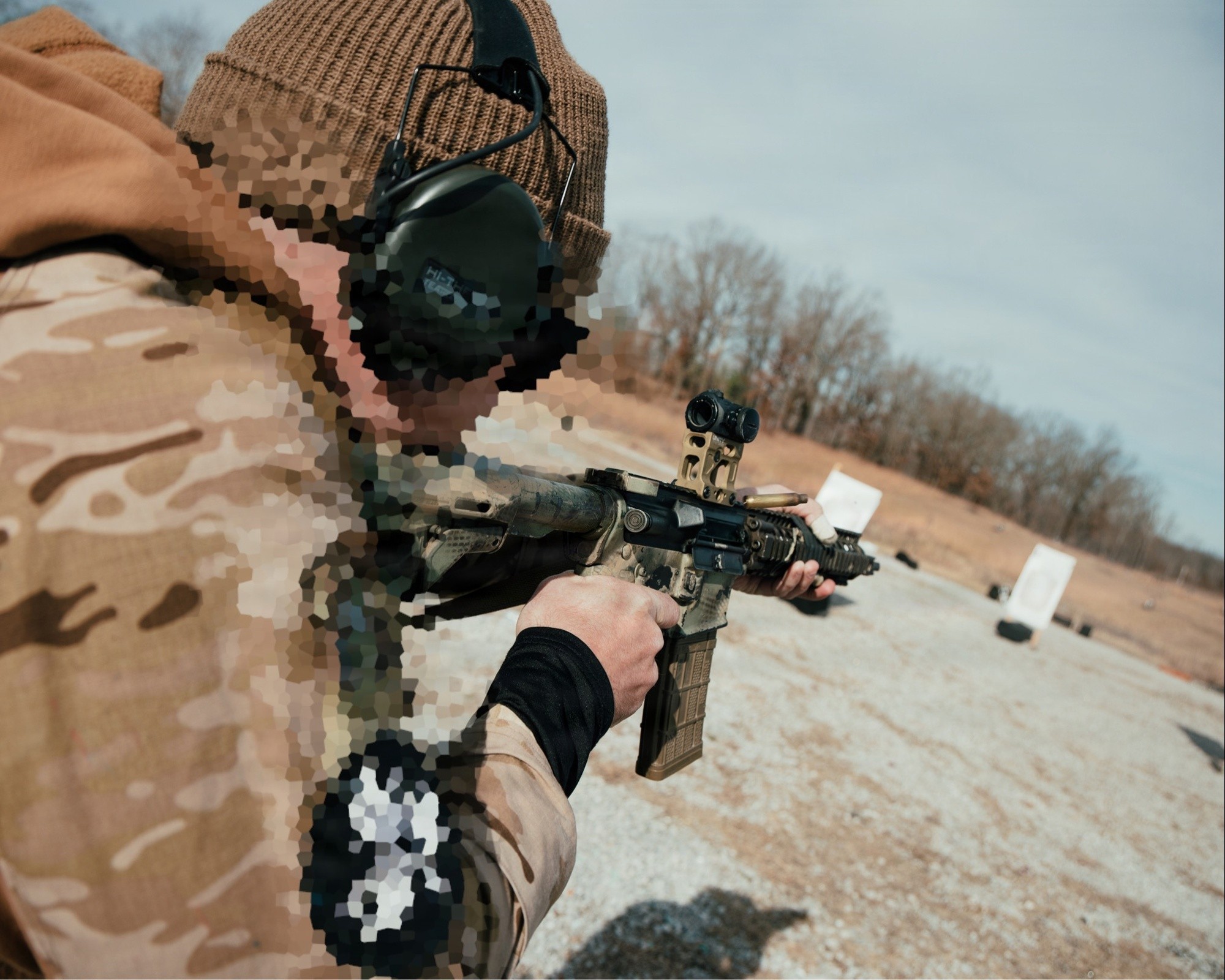
The image has been blurred to protect the identity of the operators.
(U.S. Army photo by Sgt. 1st Class Timothy Hamlin) VIEW ORIGINAL
Instructors from the U.S. Army Marksmanship Unit’s Instructor Training Group trained Soldiers from 5th Special Forces Group (Airborne) this week, focusing on translating competition-driven marksmanship into combat-relevant lethality.
The training centered on establishing strong fundamentals early, allowing more advanced shooting problems to be addressed as the week progressed. Instructors emphasized consistency, efficiency, and accuracy as the foundation for performance under operational conditions.
“Right now we’re working on refining zeros, so that way we’re set up for success for the rest of the week,” said Sgt. 1st Class Cody Marple, an instructor with the USAMU ITG. “We’re going to be working on short-range marksmanship, so shooting fast and accurate from, 0 to 50, 0 to 100.”
After building a baseline, training expanded to include increased distance and limited visibility. Soldiers were challenged to apply the same fundamentals under conditions that more closely reflect operational environments.
“In a couple days we’re going to push that out during daytime and night time to, as far as the range allows, I think about 300 or 400,” Marple said. “So shooting full-size and smaller targets as fast as we can with daytime or night time with lasers.”
According to Marple, the value of competition-based training lies in its ability to reduce the cognitive burden placed on shooters during complex problem sets. By automating the fundamentals, shooters are better positioned to manage decision-making and situational awareness.
“Increasing your first-round hit percentage will never be a downside,” Marple said. “I think that everybody has a limited amount of mental bandwidth.”
Marple explained that when core shooting skills no longer require conscious thought, Soldiers can dedicate more attention to solving problems and adapting to changing conditions.
“If I can make shooting subconscious, then I can focus on the task at hand or the problem or figuring out what I need to do next,” Marple said, “without ever having to worry about, how do I align my sights and press my trigger.”
The training reflects the broader mission of the U.S. Army Marksmanship Unit to apply competition-level shooting principles in ways that directly support operational forces. By focusing on efficiency, repeatability, and accuracy under stress, instructors aim to increase lethality while preserving cognitive capacity for mission execution.
USAMU instructors regularly train units across the Army, tailoring competition-driven methodologies to meet the specific demands of operational environments and mission sets.
Social Sharing