1 / 9
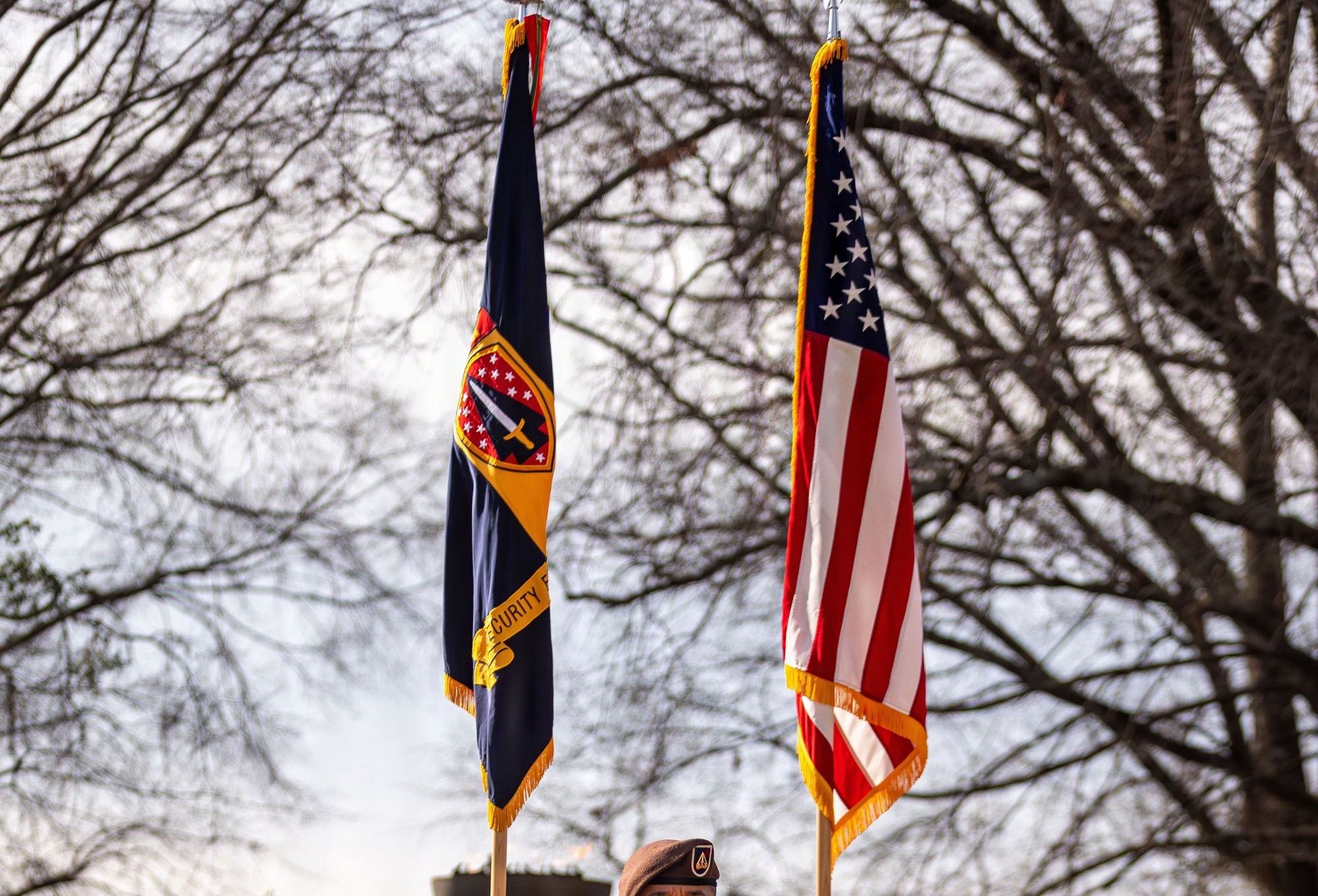
Command Sgt. Maj. Darvin T. Williams, Security Force Assistance Command, stands before the colors and formation during the SFAC inactivation ceremony at Fort Bragg, N.C., Jan. 8, 2026. SFAC built and sustained readiness by manning, training and validating total Army Security Force Assistance Brigades for employment by combatant commands. (U.S. Army photo by Pfc. Jaquari Lindsey)
(Photo Credit: Pfc. Jaquari Lindsey)View original2 / 9
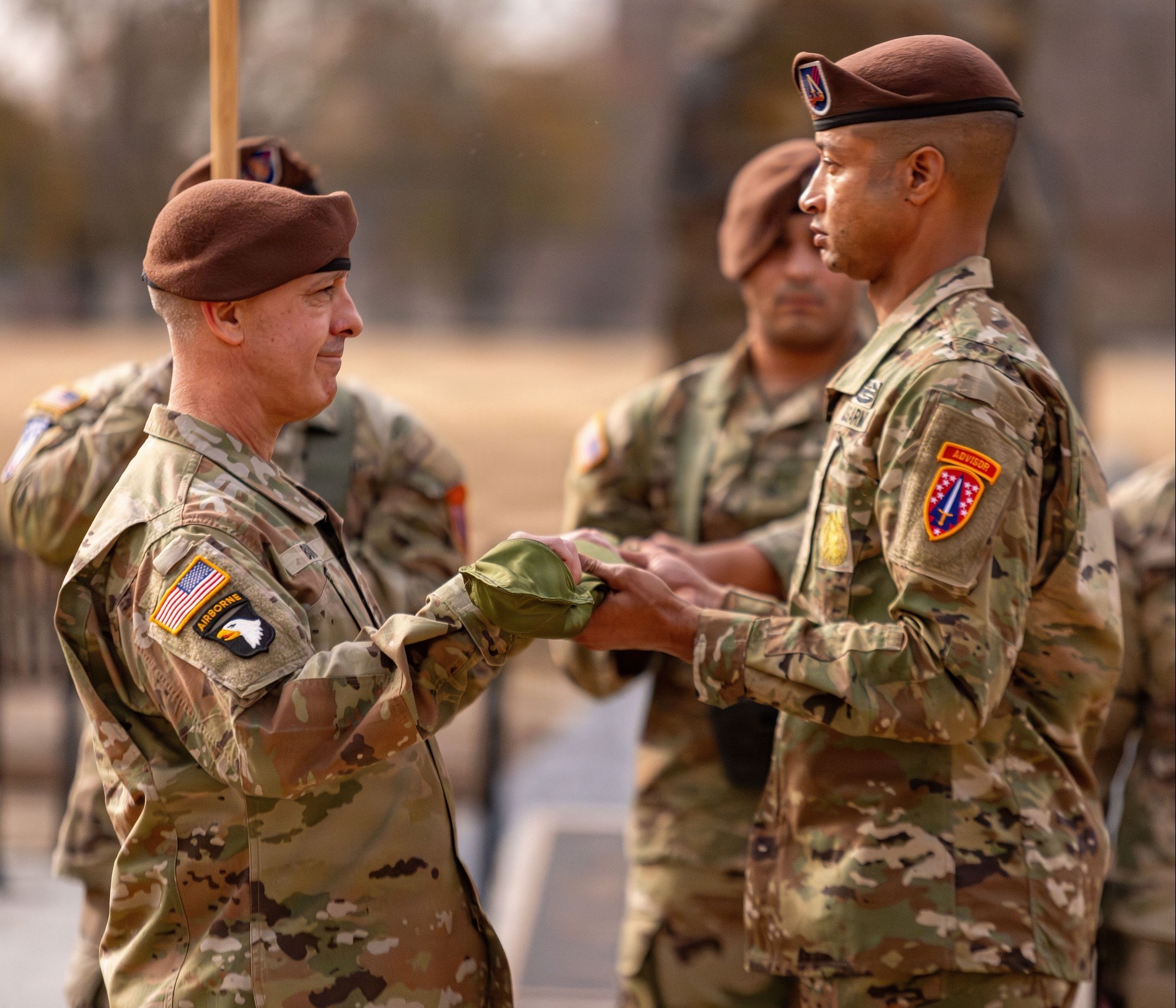
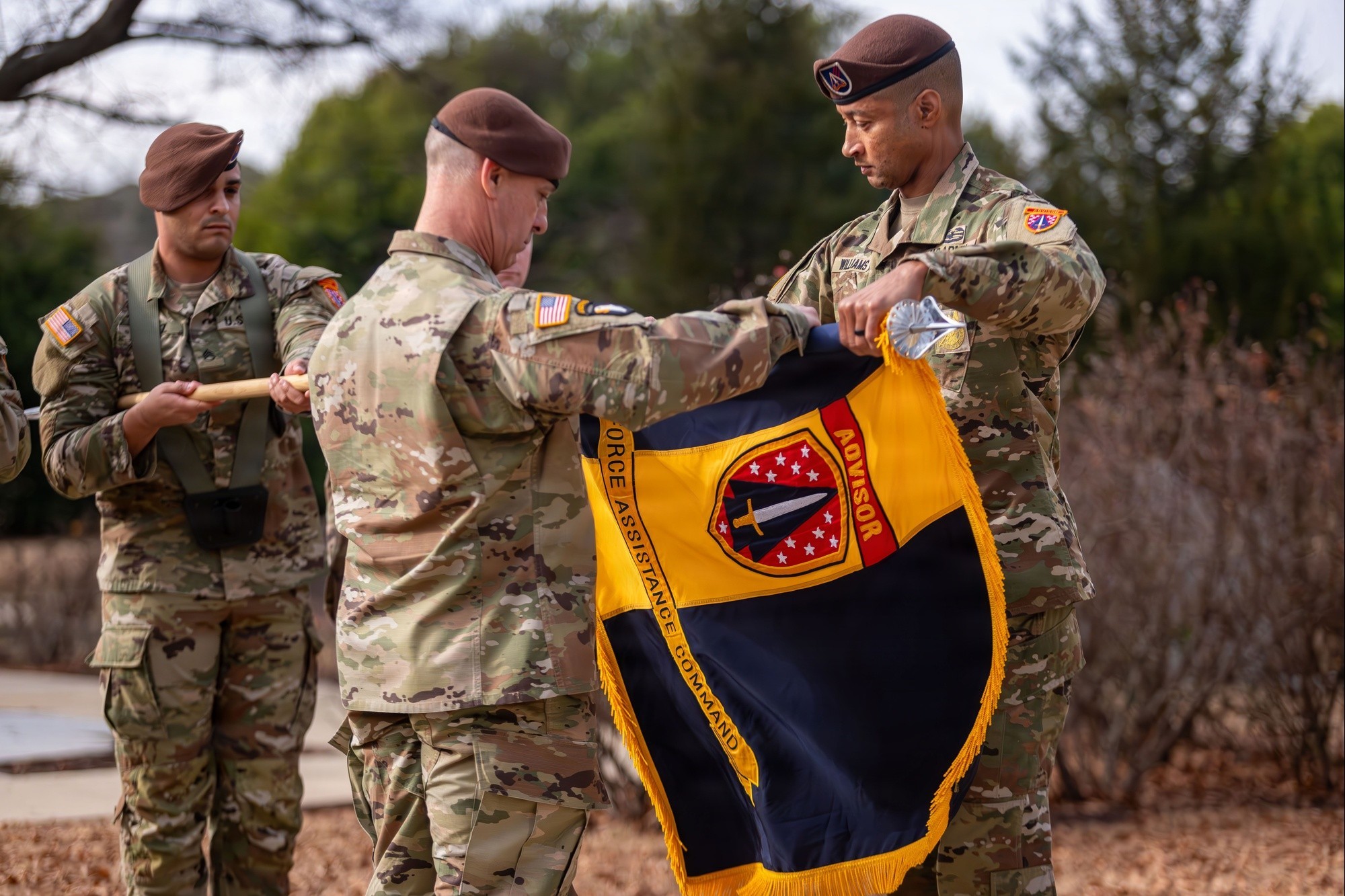
Col. Mathew F. Bunch, commander, and Command Sgt. Maj. Darvin T. Williams, case the colors of the Security Force Assistance Command during an inactivation ceremony at Fort Bragg, N.C., Jan. 8, 2026. An Army inactivation ceremony is a formal military event that marks the official deactivation of a unit, honoring its history and accomplishments while symbolizing its transition as the unit’s colors are cased. (U.S. Army photo by Pfc. Jaquari Lindsey)
(Photo Credit: Pfc. Jaquari Lindsey)View original3 / 9
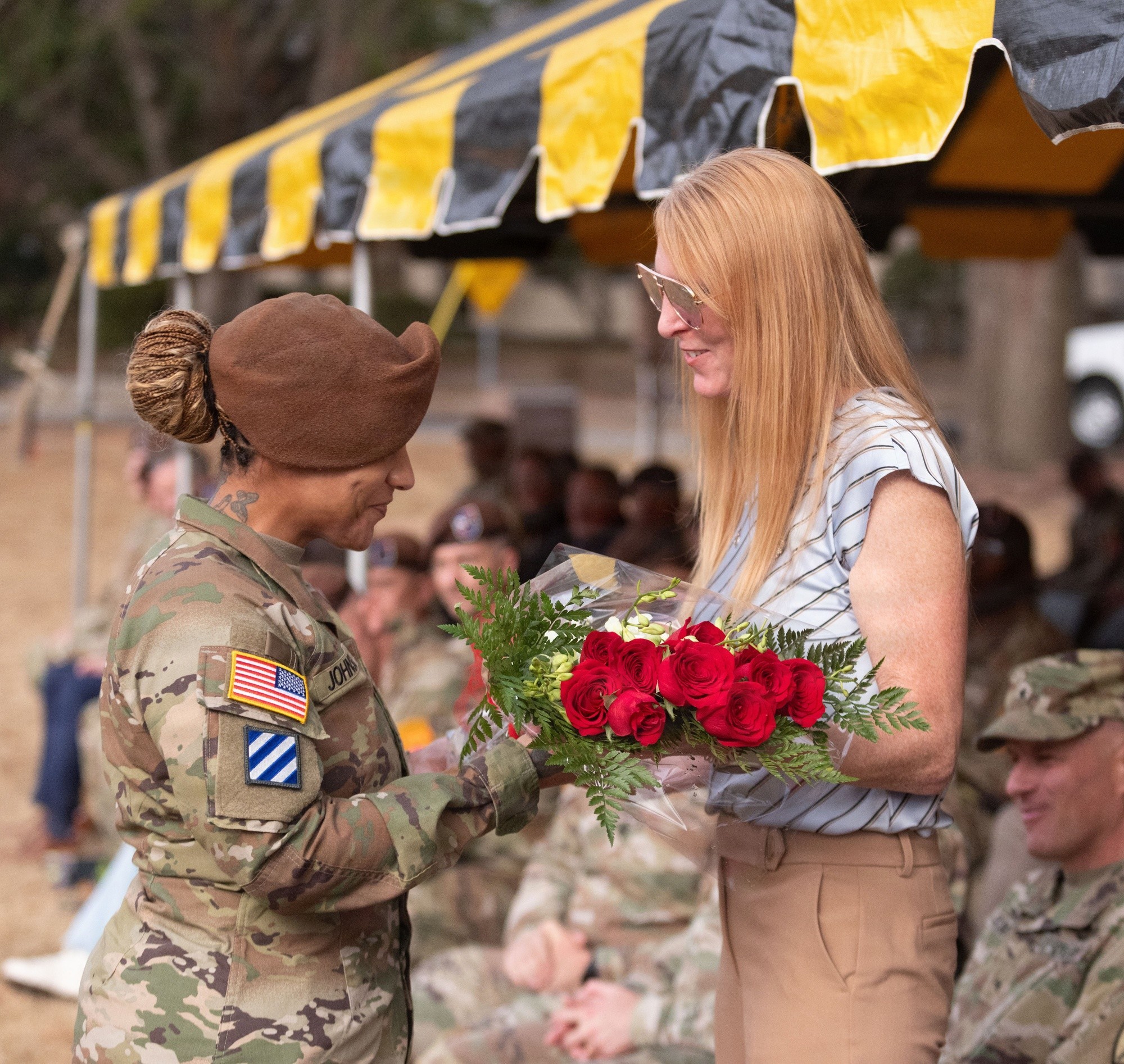
Chandra Williams, wife of Command Sgt. Maj. Darvin T. Williams, Security Force Assistance Command, receives flowers during the SFAC inactivation ceremony at Fort Bragg, N.C., Jan. 8, 2026. SFAC provided mission command and oversight of Security Force Assistance Brigades supporting global security cooperation efforts. (U.S. Army photo by Pfc. Jaquari Lindsey)
(Photo Credit: Pfc. Jaquari Lindsey)View original4 / 9
Col. Mathew F. Bunch, commander, and Command Sgt. Maj. Darvin T. Williams, Security Force Assistance Command, case the colors during the SFAC inactivation ceremony at Fort Bragg, N.C., Jan. 8, 2026. SFAC served as the Army headquarters responsible for organizing, training and equipping Security Force Assistance Brigades. (U.S. Army photo by Pfc. Jaquari Lindsey)
(Photo Credit: Pfc. Jaquari Lindsey)View original5 / 9
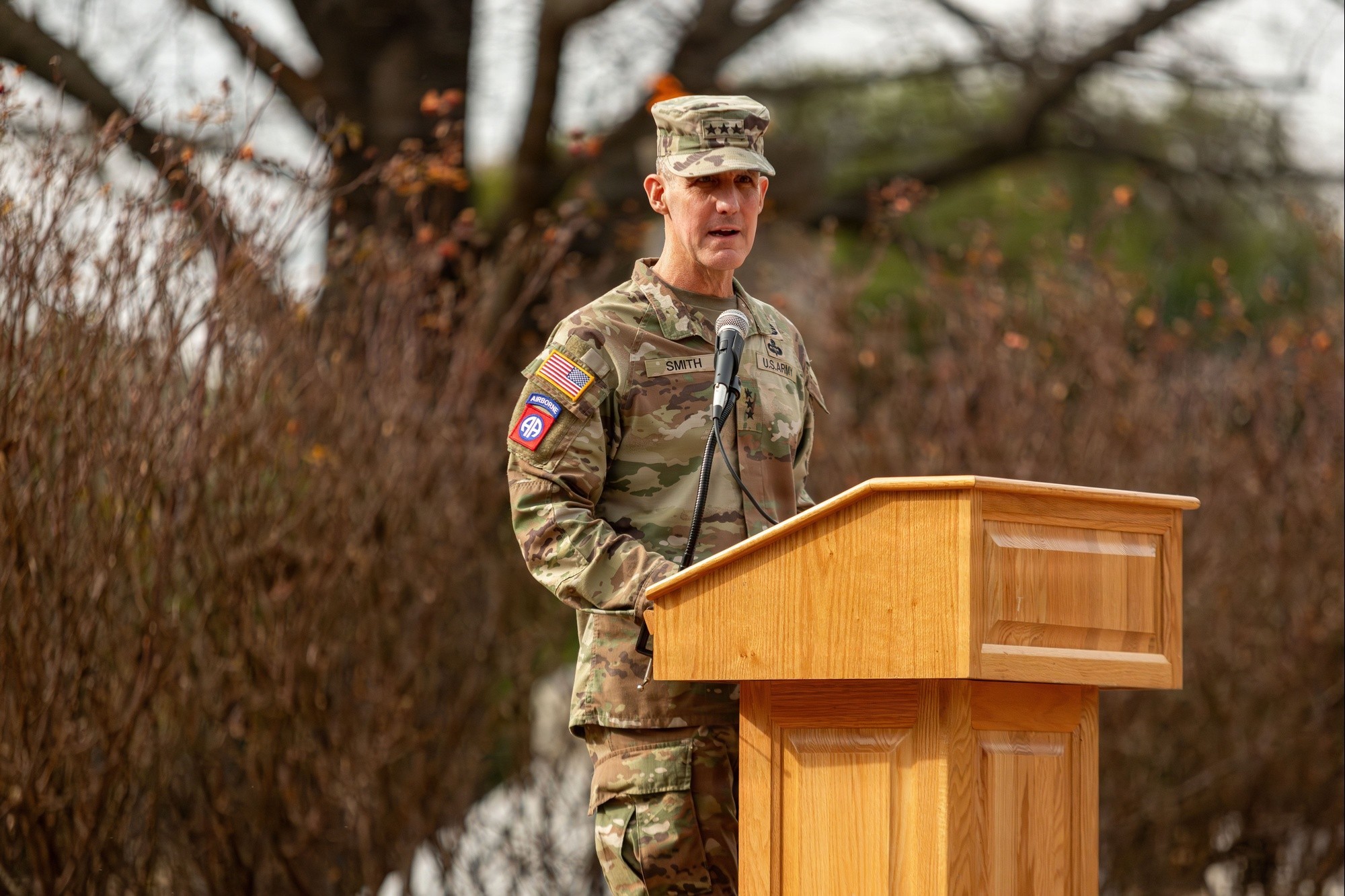
Lt. Gen. Stephen G. Smith, U.S. Army Western Hemisphere Command Deputy commanding general, addresses Soldiers and guests during the Security Force Assistance Command inactivation ceremony at Fort Bragg, N.C., Jan. 8, 2026. SFAC enabled regionally aligned advising missions that strengthened allied and partner military capabilities. (U.S. Army photo by Pfc. Jaquari Lindsey)
(Photo Credit: Pfc. Jaquari Lindsey)View original6 / 9
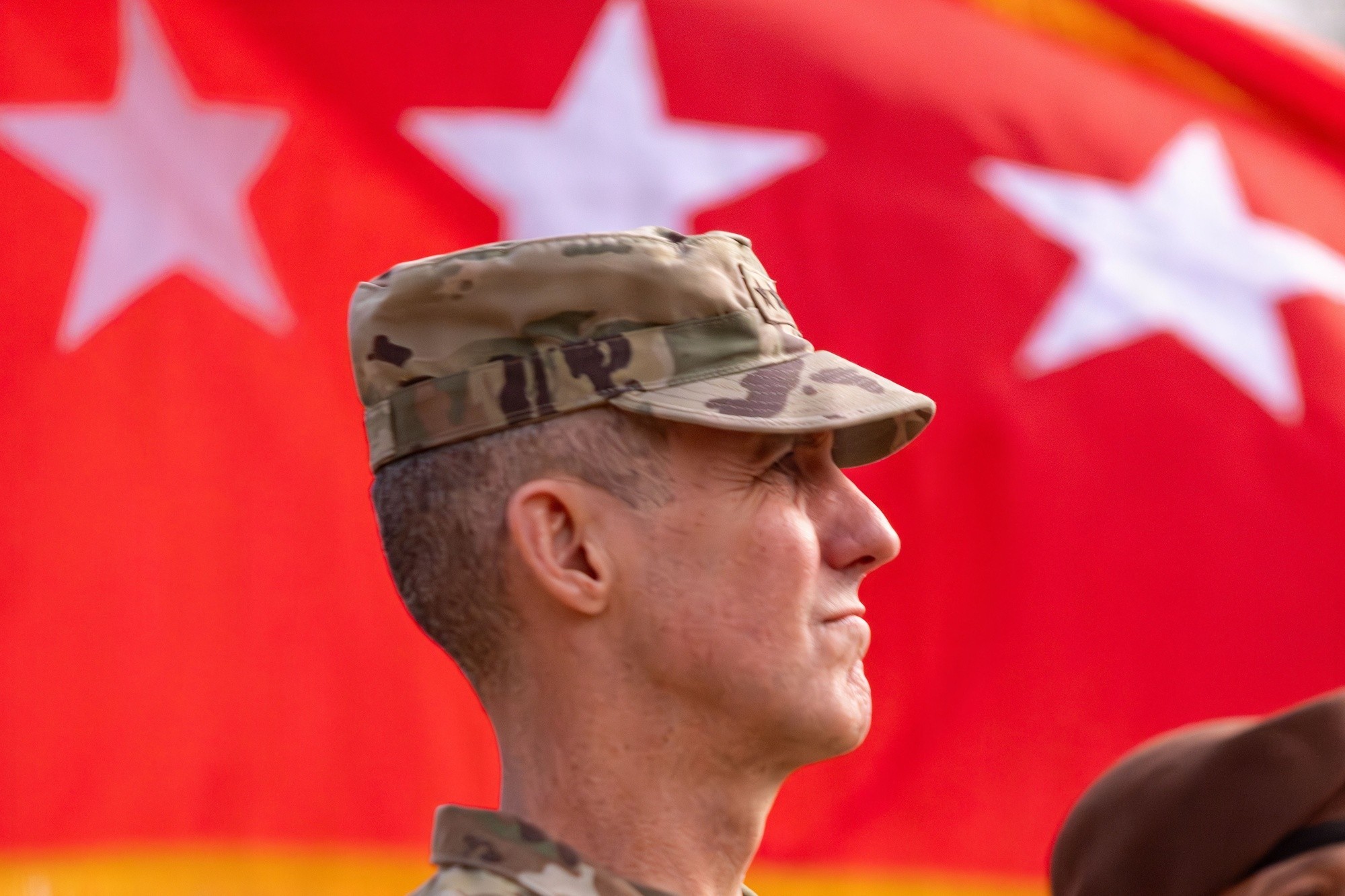
Lt. Gen. Stephen G. Smith, U.S. Army Western Hemisphere Command Deputy Commanding General, stands at attention during the Security Force Assistance Command inactivation ceremony at Fort Bragg, N.C., Jan. 8, 2026. SFAC built and sustained readiness by manning, training and validating Security Force Assistance Brigades for employment by combatant commands. (U.S. Army photo by Pfc. Jaquari Lindsey)
(Photo Credit: Pfc. Jaquari Lindsey)View original7 / 9
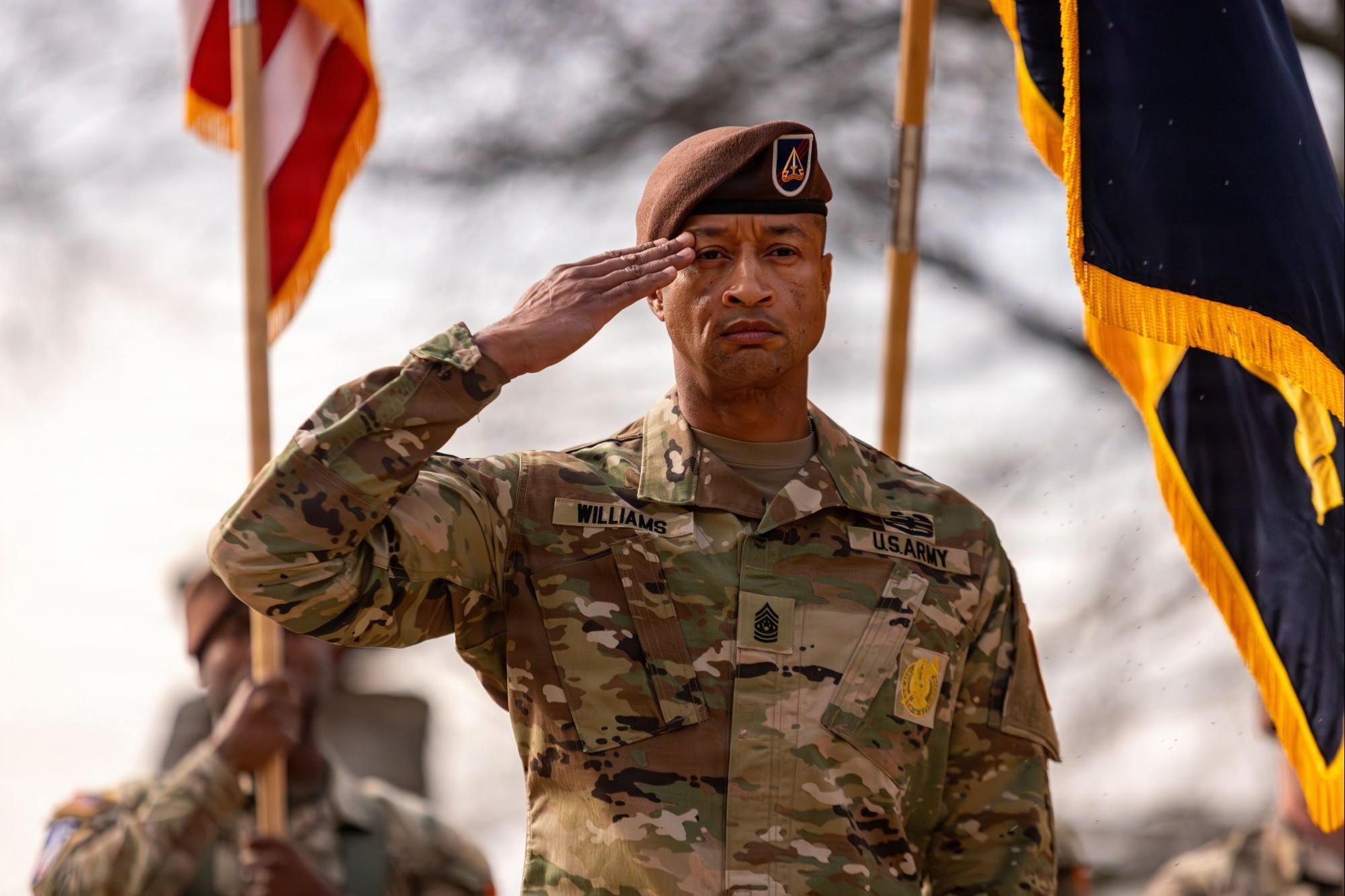
Command Sgt. Maj. Darvin T. Williams, Security Force Assistance Command's senior enlisted advisor, renders a salute during the SFAC inactivation ceremony at Fort Bragg, N.C., Jan. 8, 2026. SFAC provided mission command and oversight of Security Force Assistance Brigades supporting global security cooperation efforts. (U.S. Army photo by Pfc. Jaquari Lindsey)
(Photo Credit: Pfc. Jaquari Lindsey)View original8 / 9
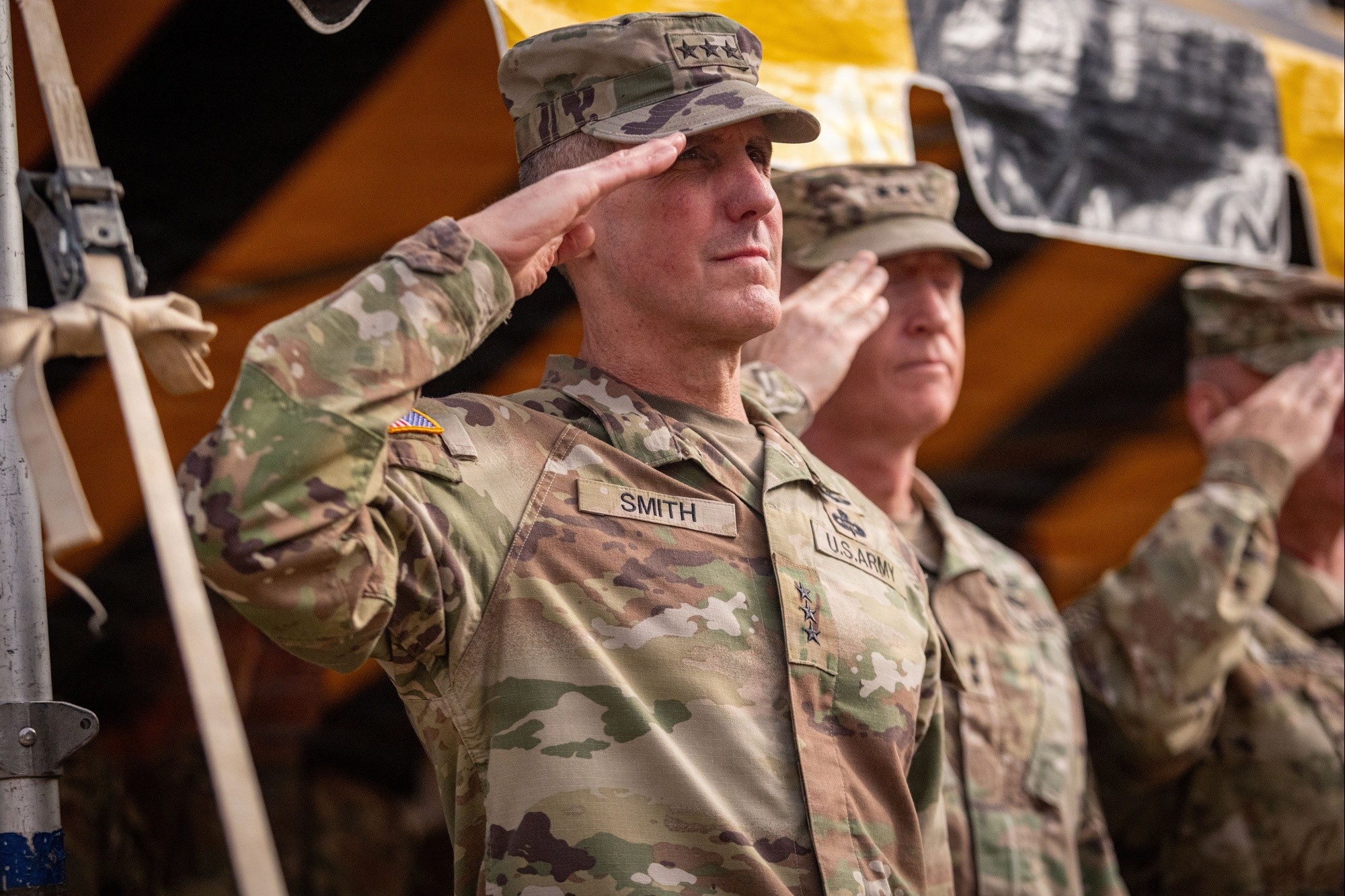
Lt. Gen. Stephen G. Smith, U.S. Army Western Hemisphere Command Deputy commanding general, salutes as the national anthem is played during the SFAC inactivation ceremony at Fort Bragg, N.C., Jan. 8, 2026. SFAC advanced U.S. Army security force assistance efforts through mission command, training oversight and global coordination. (U.S. Army photo by Pfc. Jaquari Lindsey)
(Photo Credit: Pfc. Jaquari Lindsey)View original9 / 9
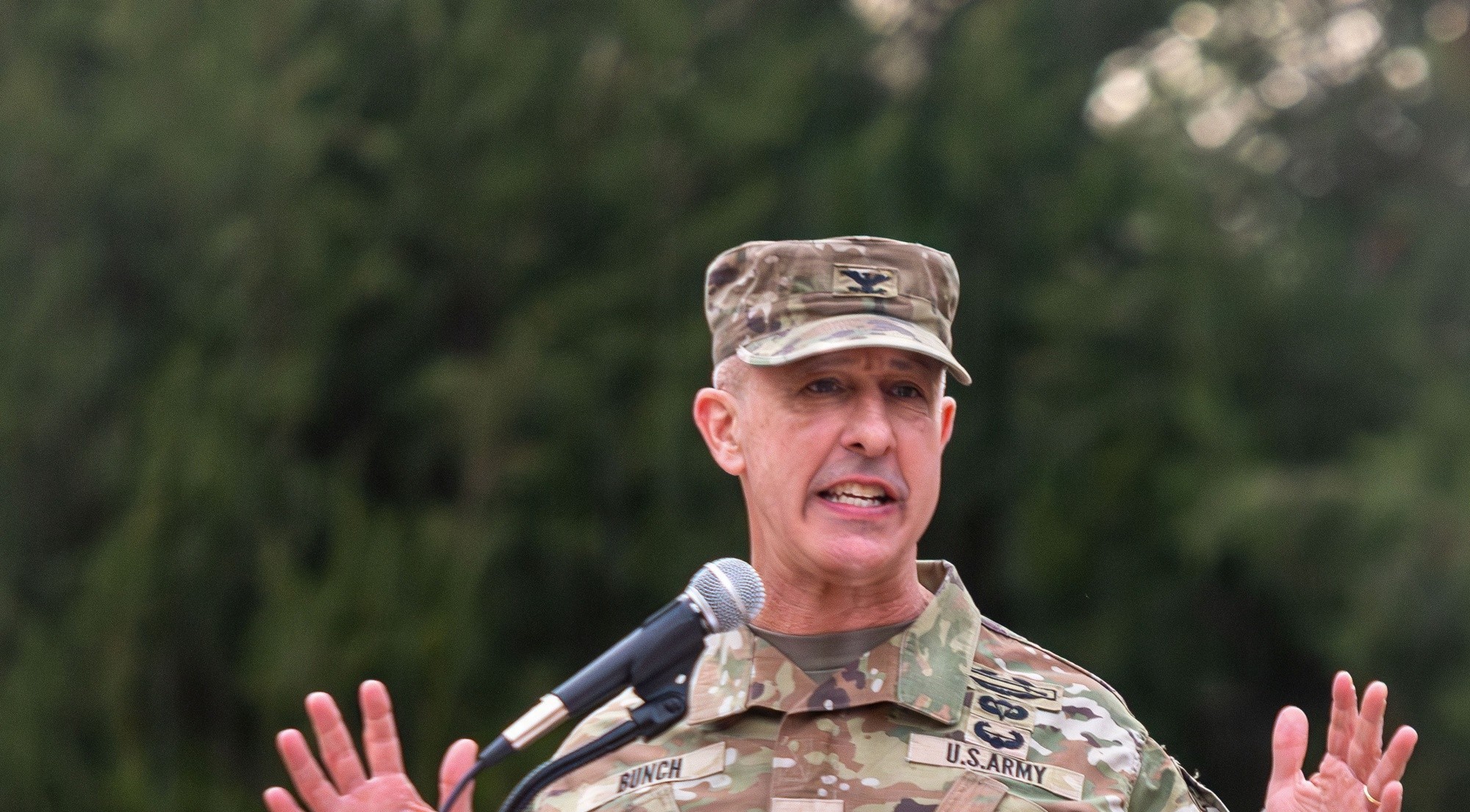
Col. Mathew F. Bunch, Commander, Security Force Assistance Command, addresses Soldiers and guests during the Security Force Assistance Command inactivation ceremony at Fort Bragg, N.C., Jan. 8, 2026. SFAC advanced U.S. Army security force assistance efforts through mission command, training oversight and global coordination. (U.S. Army photo by Pfc. Jaquari Lindsey)
(Photo Credit: Pfc. Jaquari Lindsey)View original
The Security Force Assistance Command (SFAC) headquarters formally inactivated during a ceremony Thursday afternoon at the Eternal Flame on Fort Bragg, closing a chapter defined by global advisory service and enduring partnerships.
Soldiers, veterans, civilian teammates, and distinguished guests gathered to honor the men and women who built and sustained the Army’s premier advisor formations. The ceremony marked the culmination of SFAC’s mission to organize, train, and equip advisors in support of combatant commands worldwide.
Since its activation, SFAC served as the headquarters for the Army’s Security Force Assistance Brigades (SFABs), enabling tailored advisor teams to deploy alongside partner nation forces across multiple theaters. Through sustained engagement, advisors strengthened allied capacity, enhanced interoperability, and reinforced the Army’s commitment to working with partner nations.
Senior leaders reflected on the command’s legacy, emphasizing that SFAC’s impact extended far beyond organizational charts. Col. Mathew F. Bunch the SFAC Commander highlighted the professionalism of advisors who operated in complex environments, the families who supported repeated deployments, and the headquarters staff who synchronized global efforts from Fort Bragg.
“Today, we honor not just the inactivation of a headquarters, but the legacy of Soldiers whose dedication strengthened partnerships across the globe. From its inception, the Security Force Assistance Command headquarters enabled advisors to deploy with purpose, clarity, and the support necessary to build meaningful relationships with allies and partners,” Col. Bunch stated. “Through planning, coordination, and an unwavering commitment to readiness, this headquarters empowered our brigades to operate in every geographic combatant command, advancing the Army’s mission in places where trust, cooperation, and shared understanding mattered most. The impact of SFAC’s work will continue to be felt long after these colors are cased.”
While the headquarters inactivated, leaders stressed that the advisor ethos endures. Capabilities, experience, and personnel developed under SFAC will transition to other Army formations, ensuring continuity of advisory excellence and global engagement.
“Advisors make a difference at the point where U.S. commitment meets partner capability, and SFAC Headquarters was the engine that drove that effort.,” CSM Darvin T. Williams, the SFAC Command Sergeant Major stated. “From developing doctrine to global employment, this team empowered advisor formations to build stronger, more capable partner forces. As we inactivate the headquarters, we know that the advisor mission continues, carried forward by the thousands of Soldiers whose success we helped shape.”
From August 2017 to May 2020, the Army established six Security Force Assistance Brigades (SFABs) under the Security Force Assistance Command (SFAC) headquarters. During its history, SFAC enabled the SFABs to provide trained and ready teams that enabled the interoperability of our Allies and Partners within the U.S. Joint Force to meet and defeat any threat to national security interests abroad.
Social Sharing