
FORT BENNING, Ga – The Directorate of Public Works (DPW) at Fort Benning is scheduled to begin repair work on Kall River Driving Range this year, a key project contributing to the Maneuver Center of Excellence’s mission of delivering trained and combat-ready Soldiers and leaders.
Kall River Driving Range is used for tank and Bradley operator training by the 194th Armored Brigade, which provides initial entry training for 19-series Soldiers including tankers and Bradley maintainers.
What happens at Kall River is one of the most important things Soldiers in training do, said 1st Lt. Ethan Gilmore, a brigade maintenance officer for the 194th Armored Brigade. “These Soldiers will likely be drivers in the operational force, and this training is imperative."
The range consists of a basic and advanced driving course. The basic course is a two-mile loop that simulates usual conditions with features such as a smoother driving surface and lower rates of speed. This two-mile loop helps Soldiers gain experience with aspects such as basic driving maneuvers and basic start-up operations. The advanced driving course is a one mile, "off-road" loop with varied terrain that provides Soldiers experience with pivot steering and recovery operations in unusual conditions.
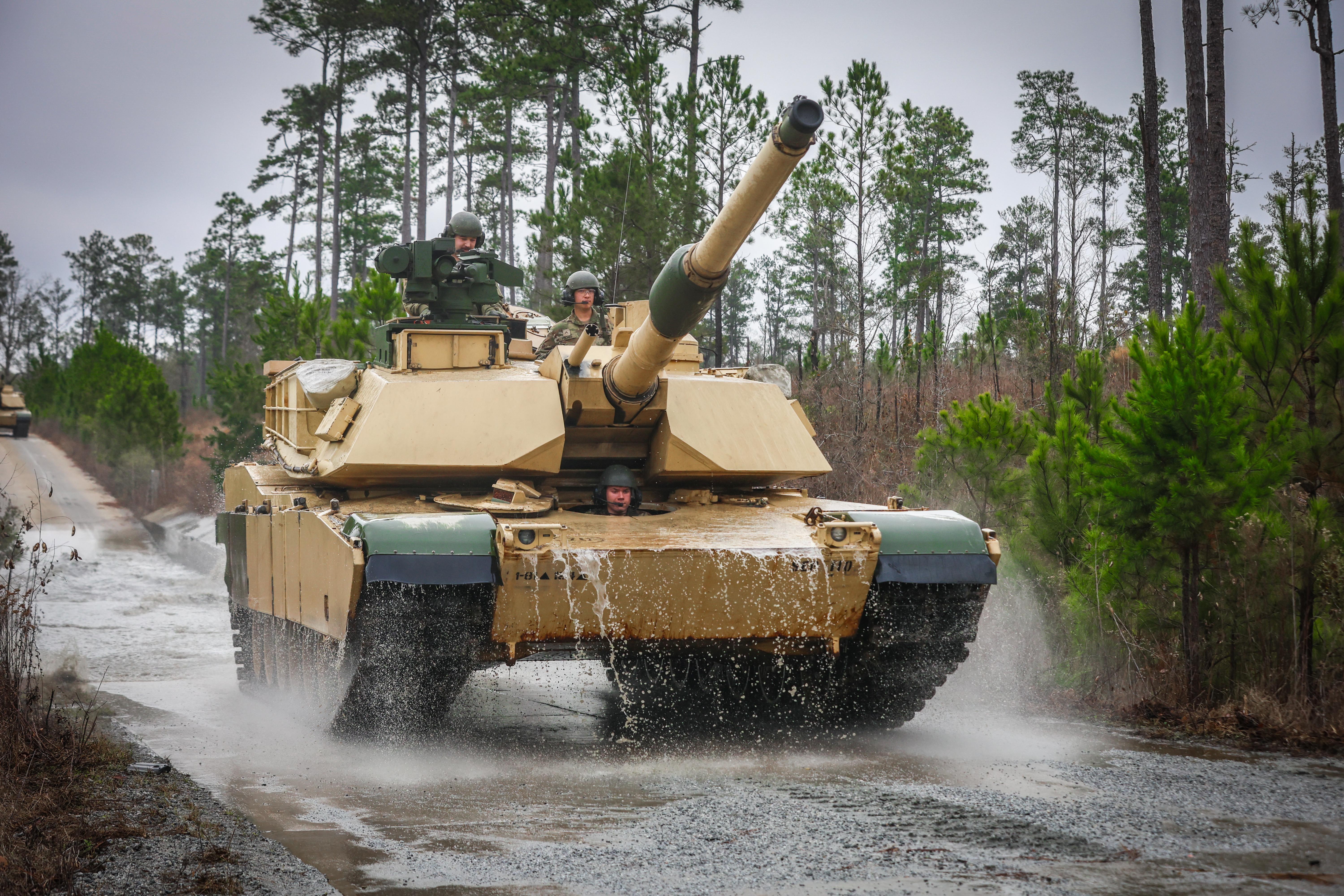
Years of use by heavy armored vehicles have led to significant wear and tear on the courses, requiring repairs and renovations.
Timi Oni, a DPW Civil Engineer, said the directorate was brought in to design repairs focused on Soldier health and safety, and allowing the range to be used to its full capability and increasing Soldiers’ combat readiness and lethality.
“The range was showing multiple signs of erosion, concrete damage, and barrier displacement, making certain sections of the range unusable,” Oni said. “The health and safety of the Soldiers who train on this range is our top priority on this project.”
The project will be executed in five phases. The first phase, which is funded and tentatively set to begin construction this fall, will focus on concrete repairs and reinforcements at different sections and edges. Without these specific reinforcements, drivers would lose critical opportunities to master complex terrain, ultimately compromising unit readiness, Oni said.
For example, one aspect of phase one is reinforcing the concrete edge on the entrance to the advanced course by placing jersey barriers. This reinforcement includes the installation of large rocks to add additional indicators along edges that have displayed signs of tanks going off course. The rocks will provide drivers with subtle feedback if they go off course, allowing for earlier correction.
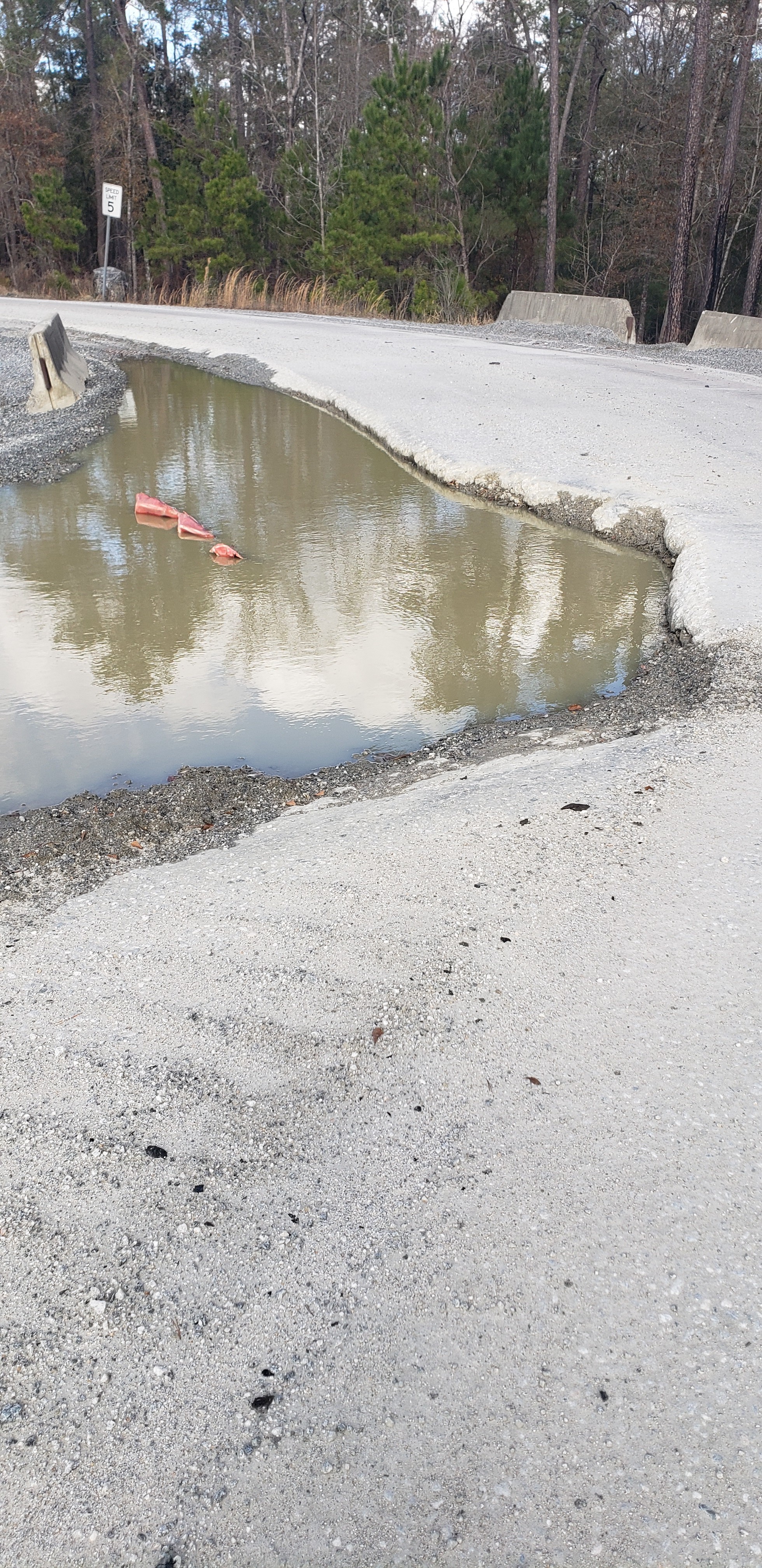
Additionally, certain sections of concrete that have displayed extreme cracking will be demolished and replaced with a new concrete pour. The new concrete will have increased resistance and strength.
Gilmore said the repairs’ significance extends far beyond having nice, new concrete.
“It’s fair to say without these repairs, our trainees would not get the necessary training they would need to be effective tank and Bradley drivers,” Gilmore said. “Kall River provides a unique training environment specifically engineered to simulate extreme conditions, offering specialized resources unavailable elsewhere at Fort Benning.”
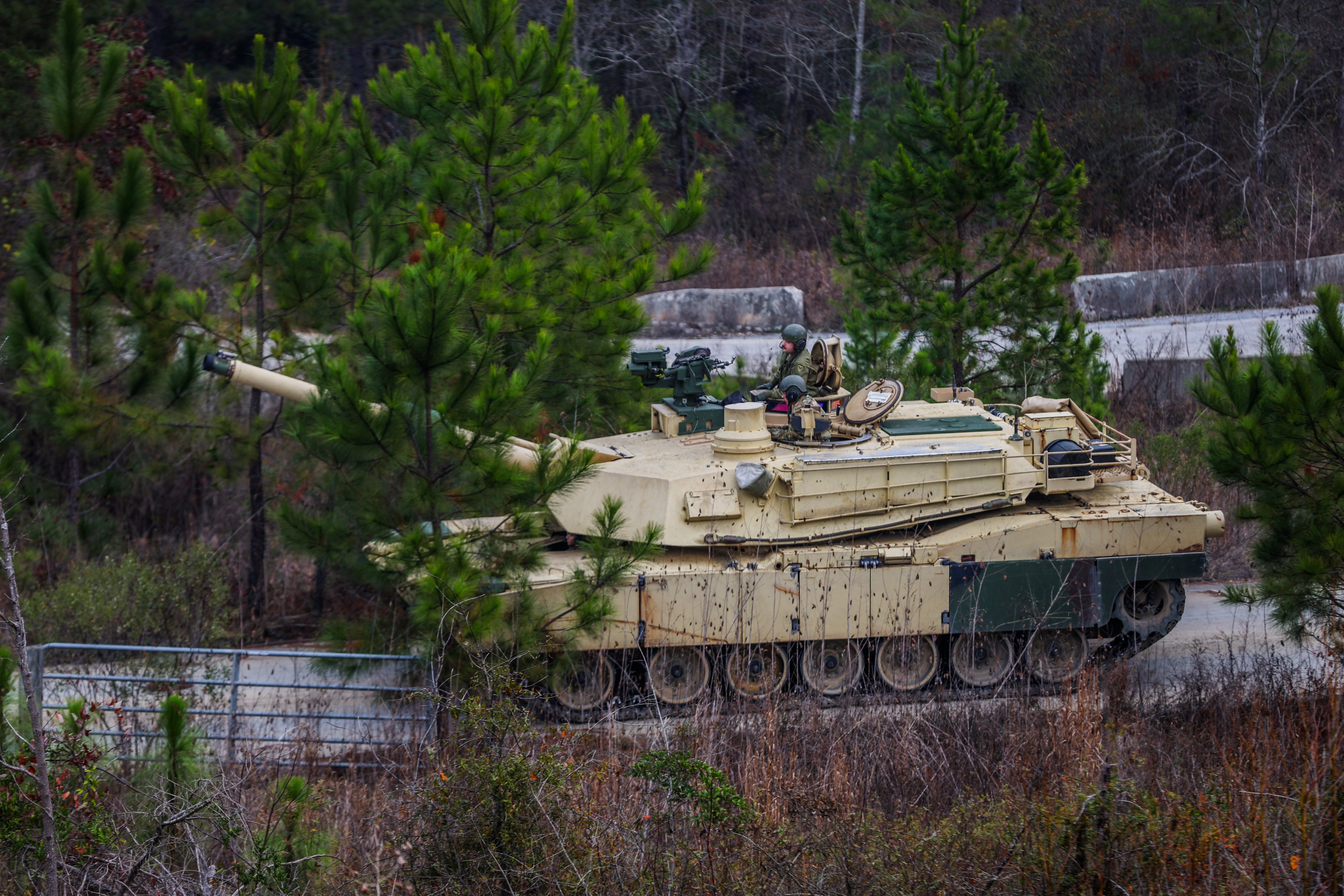
During the repair phases, driver training will still take place at Kall River, ensuring no interruption in training.
“Kall River is a big, very important place for us to train these Soldiers for what they are going to do in the operational force,” Gilmore said. “The project’s greatest impact is the safety it will provide, which directly translates to enhanced lethality through access to a dedicated driving range.”
This project is an important example of the constant work happening behind the scenes at Fort Benning that plays a critical role in aiding the nearly 65,000 Soldiers who train here every year to become part of a globally ready force, prepared to fight and win wars to defend the United States.
Social Sharing