Judy and Scott Gill of Prairie du Chien, Wis., made a special visit to Fort McCoy on Dec. 2 to deliver 26 vintage photos of Army activities around then-Camp McCoy during World War II and before.
Judy first contacted the Fort McCoy Public Affairs Office by email on Nov. 17 asking if she could donate some photos.
“Is there a historical museum at Ft McCoy?” Judy wrote in the email. “I have a number of photos from the 1940s that were taken at Fort McCoy that I’d like to donate. Please let me know if you are interested.”
And the interest was definitely there. Public Affairs Specialist Melissa Dubois responded to the Gill email and set up a date and time to have the Gills visit the Fort McCoy History Center to drop off the 26 unique black-and-white photos.
Judy explained how she received the photos.
“I was talking to a woman who said she had a bunch of pictures from Camp McCoy from the 1940s, and she didn’t know what to do with them,” Judy said.
Judy made the connection to get them to Fort McCoy. “I enjoy finding places for these things to go,” she said.
The photos, she said, she believes originated from a collection in McGregor, Iowa.
A few photos predate World War II. For example, there’s three photos that show the old Camp McCoy headquarters, guard house, and officer’s mess of the “Old Camp” of the installation that was located on South Post of present-day Fort McCoy. The photos are from 1940.
Main operations of Camp McCoy switched to the “New Camp” in 1942 after completion of the cantonment area. Not long after the New Camp was established, the many buildings that were located on the Old Camp began to be taken down.
A set of four photos displays camp life at Fort McCoy around the camp motor pool in 1944 with an undetermined month but 1944 was written on the back of each of the photos.
Another set of seven photos shows what appears to be different scenes from a series of training demonstrations around Camp McCoy training areas in June 1944. Three photos show Soldiers with the 304th Infantry completing a bayonet drill. Another photo shows Soldiers completing the “infiltration course.”
Yet another photo shows people visiting displays of captured equipment from the Japanese army. Another photo shows Jeeps that were used for the press corps for an event, and another shows “business men leaving weapons demonstration,” which appears to be in the same vicinity of what is today’s impact area on North Post.
Also in the collection there are five photos taken in La Crosse, Wis., in 1943. It features a parade for War Salvage Day, although no particular date is highlighted for 1943. The pictures do show Soldiers with the 2nd Infantry Division as well as members of the Women’s Army Corps.
According to post history, the Women’s Army Corps (WAC) had a presence at Camp McCoy, where members served in support roles such as librarians, statisticians, clerks, and typists during World War II. WACs also served in the Korean War era, with a detachment from Fort Sam Houston, Texas, arriving at Camp McCoy in the early 1950s after completing medical school. Camp McCoy was one of many locations where WACs were active and filling non-combat jobs to allow male Soldiers to focus on combat roles.
Local history also describes how La Crosse participated in national “Salvage for Victory” campaigns during 1943, with specific large-scale collection drives. The efforts orchestrated by the War Production Board to collect critical scrap materials like metal and wastepaper to support the war effort.
Additionally, in November 1943, a significant wastepaper drive took place. Ten trucks and drivers from Camp McCoy assisted 15 Boy Scout troops in collecting paper throughout the city. The La Crosse Ordnance Repair shop also provided trucks for the effort.
Records show the parade was likely a “Salvage for Victory” parade in La Crosse, showcasing the community’s collective spirit and effort.
And one additional photo in the collection, dated May 1, 1944, shows three Soldiers deployed to New Guinea. It’s a photo sent “To Elsie” and signed “From Daddy With Love.” According to the U.S. Army Center for Military History, available at https://history.army.mil, the New Guinea Campaign of World War II took place from January 1943 to December 1944.
“The campaign on New Guinea is all but forgotten except by those who served there,” states the publication “NEW GUINEA, 24 JANUARY 1943–31 DECEMBER 1944” by Edward J. Drea. “Battles with names like Tarawa, Saipan, and Iwo Jima overshadow it. Yet Allied operations in New Guinea were essential to the U.S. Navy’s drive across the Central Pacific and to the U.S. Army’s liberation of the Philippine Islands from Japanese occupation. The remorse-less Allied advance along the northern New Guinea coastline toward the Philippines forced the Japanese to divert precious ships, planes, and men who might otherwise have reinforced their crumbling Central Pacific front.”
And lastly four photos show several Japanese-American Soldiers posing in front of the old courthouse in La Crosse, Wis., in 1944. One of the four photos indicates the Soldiers were with the 34th Infantry Division.
History shows those Soldiers were part of the storied Nisei Soldiers who trained at Camp McCoy in 1943 and later became among the most decorated Soldiers of World War II. The 133rd Infantry Regiment of the 34th Division had Nisei Soldiers from the 100th Infantry Battalion attached to it. These Soldiers volunteered for service in the U.S. Army to prove their loyalty.
Eventually all of the photos will be set up for a display at the Fort McCoy History Center, located in the Fort McCoy Commemorative Area. They’ll also be shared online and with local history organizations to document World War II history in Wisconsin.
Read more about Army history by visiting https://history.army.mil.
Read more about Fort McCoy history by visiting https://home.army.mil/mccoy/about/history, or read the installation’s monthly “This Month in Fort McCoy History” articles. Past articles are available at https://www.dvidshub.net/unit/FMPAO.
Fort McCoy’s motto is to be the “Total Force Training Center.”
Located in the heart of the upper Midwest, Fort McCoy is the only U.S. Army installation in Wisconsin.
The installation has provided support and facilities for the field and classroom training of more than 100,000 military personnel from all services nearly every year since 1984.
Learn more about Fort McCoy online at https://home.army.mil/mccoy, on Facebook by searching “ftmccoy,” on Flickr at https://www.flickr.com/photos/fortmccoywi, and on X (formerly Twitter) by searching “usagmccoy.”
Also try downloading the My Army Post app to your smartphone and set “Fort McCoy” or another installation as your preferred base. Fort McCoy is also part of Army’s Installation Management Command where “We Are The Army’s Home.”
1 / 25Show Caption +Hide Caption –
This shows a scene in La Crosse, Wis., in 1944 where the U.S. Army set up public displays of captured Japanese army equipment as part of an event for War Salvage Day in La Crosse and supported by Soldiers from Camp McCoy, Wis. (U.S. Army Historical Photo)
(Photo Credit: U.S. Army)VIEW ORIGINAL2 / 25Show Caption +Hide Caption –
Japanese-American Soldiers pose for a group photo in front of a courthouse in La Crosse, Wis. in 1944. The Soldiers were connected to then Camp McCoy, Wis. The 133rd Infantry Regiment of the 34th Division had Nisei Soldiers from the 100th Infantry Battalion attached to it. The 100th did their combat training at Camp McCoy in 1943. The 100th is one of the most decorated units from World War II. (U.S. Army Historical Photo)
(Photo Credit: U.S. Army)VIEW ORIGINAL3 / 25Show Caption +Hide Caption –
Soldiers with the 304th Infantry complete a bayonet drill demonstration for the public at Camp McCoy, Wis., in 1944. It's among a set of donated photos that were donated to the Fort McCoy History Center that are a series of training demonstrations around Camp McCoy training areas in June 1944. (U.S. Army Historical Photo)
(Photo Credit: U.S. Army Historical Photo)VIEW ORIGINAL4 / 25Show Caption +Hide Caption –
The Guard House for the original garrison area of Camp McCoy, Wis., is shown in 1940. Camp McCoy grew in size significantly during World War II which included the building of a "New Camp" that makes up today's main operating area for Fort McCoy, Wis. (U.S. Army Historical Photo)
(Photo Credit: U.S. Army)VIEW ORIGINAL5 / 25Show Caption +Hide Caption –
Judy and Scott Gill of Prairie du Chien, Wis., stand next two 26 World War II-era photos Dec. 2, 2025, in the Fort McCoy (Wis.) History Center that they donated to the center for historical documentation. They stated the photos originated from a collection in McGregor, Iowa, and Judy Gill notified the Fort McCoy Public Affairs Office in November 2025 to have them donated vs. being lost. The photos cover activities around then-Camp McCoy in 1940 and 1944. (U.S. Army Photo by Scott T. Sturkol/Fort McCoy Public Affairs Office)
(Photo Credit: Scott Sturkol)VIEW ORIGINAL6 / 25Show Caption +Hide Caption –
This shows a scene in La Crosse, Wis., in 1944 where the U.S. Army set up public displays of captured Japanese army equipment as part of an event for War Salvage Day in La Crosse and supported by Soldiers from Camp McCoy, Wis. (U.S. Army Historical Photo)
(Photo Credit: U.S. Army Historical Photo)VIEW ORIGINAL7 / 25Show Caption +Hide Caption –
Japanese-American Soldiers pose for a group photo in front of a courthouse in La Crosse, Wis. in 1944. The Soldiers were connected to then Camp McCoy, Wis. The 133rd Infantry Regiment of the 34th Division had Nisei Soldiers from the 100th Infantry Battalion attached to it. The 100th did their combat training at Camp McCoy in 1943. The 100th is one of the most decorated units from World War II. (U.S. Army Historical Photo)
(Photo Credit: U.S. Army)VIEW ORIGINAL8 / 25Show Caption +Hide Caption –
Japanese-American Soldiers pose for a group photo in front of a courthouse in La Crosse, Wis. in 1944. The Soldiers were connected to then Camp McCoy, Wis. The 133rd Infantry Regiment of the 34th Division had Nisei Soldiers from the 100th Infantry Battalion attached to it. The 100th did their combat training at Camp McCoy in 1943. The 100th is one of the most decorated units from World War II. (U.S. Army Historical Photo)
(Photo Credit: U.S. Army Historical Photo)VIEW ORIGINAL9 / 25Show Caption +Hide Caption –
Navy warplanes fly in formation during an aerial demonstration in 1944 at Camp McCoy, Wis. During World War II, McCoy expanded its training space to include tens of thousands of acres of training area. During the war, the post trained tens of thousands of Soldiers for deployment to the front lines in Europe and the Pacific. (U.S. Army Historical Photo)
(Photo Credit: U.S. Army)VIEW ORIGINAL10 / 25Show Caption +Hide Caption –
Camp life is shown in 1944 at then-Camp McCoy, Wis. During World War II, McCoy expanded its training space to include tens of thousands of acres of training area. During the war, the post trained tens of thousands of Soldiers for deployment to the front lines in Europe and the Pacific. (U.S. Army Historical Photo)
(Photo Credit: U.S. Army Historical Photo)VIEW ORIGINAL11 / 25Show Caption +Hide Caption –
Soldiers with the 304th Infantry complete a bayonet drill demonstration for the public at Camp McCoy, Wis., in 1944. It's among a set of donated photos that were donated to the Fort McCoy History Center that are a series of training demonstrations around Camp McCoy training areas in June 1944. (U.S. Army Historical Photo)
(Photo Credit: U.S. Army Historical Photo)VIEW ORIGINAL12 / 25Show Caption +Hide Caption –
Soldiers with the 304th Infantry complete a bayonet drill demonstration for the public at Camp McCoy, Wis., in 1944. It's among a set of donated photos that were donated to the Fort McCoy History Center that are a series of training demonstrations around Camp McCoy training areas in June 1944. (U.S. Army Historical Photo)
(Photo Credit: U.S. Army Historical Photo)VIEW ORIGINAL13 / 25Show Caption +Hide Caption –
Camp life is shown in 1944 at then-Camp McCoy, Wis. During World War II, McCoy expanded its training space to include tens of thousands of acres of training area. During the war, the post trained tens of thousands of Soldiers for deployment to the front lines in Europe and the Pacific. (U.S. Army Historical Photo)
(Photo Credit: U.S. Army Historical Photo)VIEW ORIGINAL14 / 25Show Caption +Hide Caption –
Camp life is shown in 1944 at then-Camp McCoy, Wis. During World War II, McCoy expanded its training space to include tens of thousands of acres of training area. During the war, the post trained tens of thousands of Soldiers for deployment to the front lines in Europe and the Pacific. (U.S. Army Historical Photo)
(Photo Credit: U.S. Army Historical Photo)VIEW ORIGINAL15 / 25Show Caption +Hide Caption –
Camp life is shown in 1944 at then-Camp McCoy, Wis. During World War II, McCoy expanded its training space to include tens of thousands of acres of training area. During the war, the post trained tens of thousands of Soldiers for deployment to the front lines in Europe and the Pacific. (U.S. Army Historical Photo)
(Photo Credit: U.S. Army Historical Photo)VIEW ORIGINAL16 / 25Show Caption +Hide Caption –
Camp life is shown in 1944 at then-Camp McCoy, Wis. During World War II, McCoy expanded its training space to include tens of thousands of acres of training area. During the war, the post trained tens of thousands of Soldiers for deployment to the front lines in Europe and the Pacific. (U.S. Army Historical Photo)
(Photo Credit: U.S. Army Historical Photo)VIEW ORIGINAL17 / 25Show Caption +Hide Caption –
Soldiers from then-Camp McCoy, Wis., participate in a parade for War Salvage Day in 1943 in La Crosse, Wis. Local history also describes how La Crosse participated in national “Salvage for Victory” campaigns during 1943, with specific large-scale collection drives. The efforts orchestrated by the War Production Board to collect critical scrap materials like metal and wastepaper to support the war effort. (U.S. Army Historical Photo)
(Photo Credit: U.S. Army Historical Photo)VIEW ORIGINAL18 / 25Show Caption +Hide Caption –
Soldiers from then-Camp McCoy, Wis., participate in a parade for War Salvage Day in 1943 in La Crosse, Wis. Local history also describes how La Crosse participated in national “Salvage for Victory” campaigns during 1943, with specific large-scale collection drives. The efforts orchestrated by the War Production Board to collect critical scrap materials like metal and wastepaper to support the war effort. (U.S. Army Historical Photo)
(Photo Credit: U.S. Army Historical Photo)VIEW ORIGINAL19 / 25Show Caption +Hide Caption –
Soldiers from then-Camp McCoy, Wis., participate in a parade for War Salvage Day in 1943 in La Crosse, Wis. Local history also describes how La Crosse participated in national “Salvage for Victory” campaigns during 1943, with specific large-scale collection drives. The efforts orchestrated by the War Production Board to collect critical scrap materials like metal and wastepaper to support the war effort. (U.S. Army Historical Photo)
(Photo Credit: U.S. Army Historical Photo)VIEW ORIGINAL20 / 25Show Caption +Hide Caption –
Soldiers from then-Camp McCoy, Wis., participate in a parade for War Salvage Day in 1943 in La Crosse, Wis. Local history also describes how La Crosse participated in national “Salvage for Victory” campaigns during 1943, with specific large-scale collection drives. The efforts orchestrated by the War Production Board to collect critical scrap materials like metal and wastepaper to support the war effort. (U.S. Army Historical Photo)
(Photo Credit: U.S. Army Historical Photo)VIEW ORIGINAL21 / 25Show Caption +Hide Caption –
Buildings for the original garrison area of Camp McCoy, Wis., are shown in 1940. Camp McCoy grew in size significantly during World War II which included the building of a "New Camp" that makes up today's main operating area for Fort McCoy, Wis. (U.S. Army Historical Photo)
(Photo Credit: U.S. Army Historical Photo)VIEW ORIGINAL22 / 25Show Caption +Hide Caption –
The Garrison Headquarters for the original garrison area of Camp McCoy, Wis., is shown in 1940. Camp McCoy grew in size significantly during World War II which included the building of a "New Camp" that makes up today's main operating area for Fort McCoy, Wis. (U.S. Army Historical Photo)
(Photo Credit: U.S. Army Historical Photo)VIEW ORIGINAL23 / 25Show Caption +Hide Caption –
A building and tents in the original garrison area of Camp McCoy, Wis., is shown in 1940. Camp McCoy grew in size significantly during World War II which included the building of a "New Camp" that makes up today's main operating area for Fort McCoy, Wis. (U.S. Army Historical Photo)
(Photo Credit: U.S. Army Historical Photo)VIEW ORIGINAL24 / 25Show Caption +Hide Caption –
Judy and Scott Gill of Prairie du Chien, Wis., stand next two 26 World War II-era photos Dec. 2, 2025, in the Fort McCoy (Wis.) History Center that they donated to the center for historical documentation. They stated the photos originated from a collection in McGregor, Iowa, and Judy Gill notified the Fort McCoy Public Affairs Office in November 2025 to have them donated vs. being lost. The photos cover activities around then-Camp McCoy in 1940 and 1944. (U.S. Army Photo by Scott T. Sturkol/Fort McCoy Public Affairs Office)
(Photo Credit: Scott Sturkol)VIEW ORIGINAL25 / 25Show Caption +Hide Caption –
Judy and Scott Gill of Prairie du Chien, Wis., stand next two 26 World War II-era photos Dec. 2, 2025, in the Fort McCoy (Wis.) History Center that they donated to the center for historical documentation. They stated the photos originated from a collection in McGregor, Iowa, and Judy Gill notified the Fort McCoy Public Affairs Office in November 2025 to have them donated vs. being lost. The photos cover activities around then-Camp McCoy in 1940 and 1944. (U.S. Army Photo by Scott T. Sturkol/Fort McCoy Public Affairs Office)
(Photo Credit: Scott Sturkol)VIEW ORIGINAL
1 / 24Show Caption +Hide Caption –
Japanese-American Soldiers pose for a group photo in front of a courthouse in La Crosse, Wis. in 1944. The Soldiers were connected to then Camp McCoy, Wis. The 133rd Infantry Regiment of the 34th Division had Nisei Soldiers from the 100th Infantry Battalion attached to it. The 100th did their combat training at Camp McCoy in 1943. The 100th is one of the most decorated units from World War II. (U.S. Army Historical Photo)
(Photo Credit: U.S. Army)VIEW ORIGINAL2 / 24Show Caption +Hide Caption –
Soldiers with the 304th Infantry complete a bayonet drill demonstration for the public at Camp McCoy, Wis., in 1944. It's among a set of donated photos that were donated to the Fort McCoy History Center that are a series of training demonstrations around Camp McCoy training areas in June 1944. (U.S. Army Historical Photo)
(Photo Credit: U.S. Army Historical Photo)VIEW ORIGINAL3 / 24Show Caption +Hide Caption –
The Guard House for the original garrison area of Camp McCoy, Wis., is shown in 1940. Camp McCoy grew in size significantly during World War II which included the building of a "New Camp" that makes up today's main operating area for Fort McCoy, Wis. (U.S. Army Historical Photo)
(Photo Credit: U.S. Army)VIEW ORIGINAL4 / 24Show Caption +Hide Caption –
Judy and Scott Gill of Prairie du Chien, Wis., stand next two 26 World War II-era photos Dec. 2, 2025, in the Fort McCoy (Wis.) History Center that they donated to the center for historical documentation. They stated the photos originated from a collection in McGregor, Iowa, and Judy Gill notified the Fort McCoy Public Affairs Office in November 2025 to have them donated vs. being lost. The photos cover activities around then-Camp McCoy in 1940 and 1944. (U.S. Army Photo by Scott T. Sturkol/Fort McCoy Public Affairs Office)
(Photo Credit: Scott Sturkol)VIEW ORIGINAL5 / 24Show Caption +Hide Caption –
This shows a scene in La Crosse, Wis., in 1944 where the U.S. Army set up public displays of captured Japanese army equipment as part of an event for War Salvage Day in La Crosse and supported by Soldiers from Camp McCoy, Wis. (U.S. Army Historical Photo)
(Photo Credit: U.S. Army Historical Photo)VIEW ORIGINAL6 / 24Show Caption +Hide Caption –
Japanese-American Soldiers pose for a group photo in front of a courthouse in La Crosse, Wis. in 1944. The Soldiers were connected to then Camp McCoy, Wis. The 133rd Infantry Regiment of the 34th Division had Nisei Soldiers from the 100th Infantry Battalion attached to it. The 100th did their combat training at Camp McCoy in 1943. The 100th is one of the most decorated units from World War II. (U.S. Army Historical Photo)
(Photo Credit: U.S. Army)VIEW ORIGINAL7 / 24Show Caption +Hide Caption –
Japanese-American Soldiers pose for a group photo in front of a courthouse in La Crosse, Wis. in 1944. The Soldiers were connected to then Camp McCoy, Wis. The 133rd Infantry Regiment of the 34th Division had Nisei Soldiers from the 100th Infantry Battalion attached to it. The 100th did their combat training at Camp McCoy in 1943. The 100th is one of the most decorated units from World War II. (U.S. Army Historical Photo)
(Photo Credit: U.S. Army Historical Photo)VIEW ORIGINAL8 / 24Show Caption +Hide Caption –
Navy warplanes fly in formation during an aerial demonstration in 1944 at Camp McCoy, Wis. During World War II, McCoy expanded its training space to include tens of thousands of acres of training area. During the war, the post trained tens of thousands of Soldiers for deployment to the front lines in Europe and the Pacific. (U.S. Army Historical Photo)
(Photo Credit: U.S. Army)VIEW ORIGINAL9 / 24Show Caption +Hide Caption –
Camp life is shown in 1944 at then-Camp McCoy, Wis. During World War II, McCoy expanded its training space to include tens of thousands of acres of training area. During the war, the post trained tens of thousands of Soldiers for deployment to the front lines in Europe and the Pacific. (U.S. Army Historical Photo)
(Photo Credit: U.S. Army Historical Photo)VIEW ORIGINAL10 / 24Show Caption +Hide Caption –
Soldiers with the 304th Infantry complete a bayonet drill demonstration for the public at Camp McCoy, Wis., in 1944. It's among a set of donated photos that were donated to the Fort McCoy History Center that are a series of training demonstrations around Camp McCoy training areas in June 1944. (U.S. Army Historical Photo)
(Photo Credit: U.S. Army Historical Photo)VIEW ORIGINAL11 / 24Show Caption +Hide Caption –
Soldiers with the 304th Infantry complete a bayonet drill demonstration for the public at Camp McCoy, Wis., in 1944. It's among a set of donated photos that were donated to the Fort McCoy History Center that are a series of training demonstrations around Camp McCoy training areas in June 1944. (U.S. Army Historical Photo)
(Photo Credit: U.S. Army Historical Photo)VIEW ORIGINAL12 / 24Show Caption +Hide Caption –
Camp life is shown in 1944 at then-Camp McCoy, Wis. During World War II, McCoy expanded its training space to include tens of thousands of acres of training area. During the war, the post trained tens of thousands of Soldiers for deployment to the front lines in Europe and the Pacific. (U.S. Army Historical Photo)
(Photo Credit: U.S. Army Historical Photo)VIEW ORIGINAL13 / 24Show Caption +Hide Caption –
Camp life is shown in 1944 at then-Camp McCoy, Wis. During World War II, McCoy expanded its training space to include tens of thousands of acres of training area. During the war, the post trained tens of thousands of Soldiers for deployment to the front lines in Europe and the Pacific. (U.S. Army Historical Photo)
(Photo Credit: U.S. Army Historical Photo)VIEW ORIGINAL14 / 24Show Caption +Hide Caption –
Camp life is shown in 1944 at then-Camp McCoy, Wis. During World War II, McCoy expanded its training space to include tens of thousands of acres of training area. During the war, the post trained tens of thousands of Soldiers for deployment to the front lines in Europe and the Pacific. (U.S. Army Historical Photo)
(Photo Credit: U.S. Army Historical Photo)VIEW ORIGINAL15 / 24Show Caption +Hide Caption –
Camp life is shown in 1944 at then-Camp McCoy, Wis. During World War II, McCoy expanded its training space to include tens of thousands of acres of training area. During the war, the post trained tens of thousands of Soldiers for deployment to the front lines in Europe and the Pacific. (U.S. Army Historical Photo)
(Photo Credit: U.S. Army Historical Photo)VIEW ORIGINAL16 / 24Show Caption +Hide Caption –
Soldiers from then-Camp McCoy, Wis., participate in a parade for War Salvage Day in 1943 in La Crosse, Wis. Local history also describes how La Crosse participated in national “Salvage for Victory” campaigns during 1943, with specific large-scale collection drives. The efforts orchestrated by the War Production Board to collect critical scrap materials like metal and wastepaper to support the war effort. (U.S. Army Historical Photo)
(Photo Credit: U.S. Army Historical Photo)VIEW ORIGINAL17 / 24Show Caption +Hide Caption –
Soldiers from then-Camp McCoy, Wis., participate in a parade for War Salvage Day in 1943 in La Crosse, Wis. Local history also describes how La Crosse participated in national “Salvage for Victory” campaigns during 1943, with specific large-scale collection drives. The efforts orchestrated by the War Production Board to collect critical scrap materials like metal and wastepaper to support the war effort. (U.S. Army Historical Photo)
(Photo Credit: U.S. Army Historical Photo)VIEW ORIGINAL18 / 24Show Caption +Hide Caption –
Soldiers from then-Camp McCoy, Wis., participate in a parade for War Salvage Day in 1943 in La Crosse, Wis. Local history also describes how La Crosse participated in national “Salvage for Victory” campaigns during 1943, with specific large-scale collection drives. The efforts orchestrated by the War Production Board to collect critical scrap materials like metal and wastepaper to support the war effort. (U.S. Army Historical Photo)
(Photo Credit: U.S. Army Historical Photo)VIEW ORIGINAL19 / 24Show Caption +Hide Caption –
Soldiers from then-Camp McCoy, Wis., participate in a parade for War Salvage Day in 1943 in La Crosse, Wis. Local history also describes how La Crosse participated in national “Salvage for Victory” campaigns during 1943, with specific large-scale collection drives. The efforts orchestrated by the War Production Board to collect critical scrap materials like metal and wastepaper to support the war effort. (U.S. Army Historical Photo)
(Photo Credit: U.S. Army Historical Photo)VIEW ORIGINAL20 / 24Show Caption +Hide Caption –
Buildings for the original garrison area of Camp McCoy, Wis., are shown in 1940. Camp McCoy grew in size significantly during World War II which included the building of a "New Camp" that makes up today's main operating area for Fort McCoy, Wis. (U.S. Army Historical Photo)
(Photo Credit: U.S. Army Historical Photo)VIEW ORIGINAL21 / 24Show Caption +Hide Caption –
The Garrison Headquarters for the original garrison area of Camp McCoy, Wis., is shown in 1940. Camp McCoy grew in size significantly during World War II which included the building of a "New Camp" that makes up today's main operating area for Fort McCoy, Wis. (U.S. Army Historical Photo)
(Photo Credit: U.S. Army Historical Photo)VIEW ORIGINAL22 / 24Show Caption +Hide Caption –
A building and tents in the original garrison area of Camp McCoy, Wis., is shown in 1940. Camp McCoy grew in size significantly during World War II which included the building of a "New Camp" that makes up today's main operating area for Fort McCoy, Wis. (U.S. Army Historical Photo)
(Photo Credit: U.S. Army Historical Photo)VIEW ORIGINAL23 / 24Show Caption +Hide Caption –
Judy and Scott Gill of Prairie du Chien, Wis., stand next two 26 World War II-era photos Dec. 2, 2025, in the Fort McCoy (Wis.) History Center that they donated to the center for historical documentation. They stated the photos originated from a collection in McGregor, Iowa, and Judy Gill notified the Fort McCoy Public Affairs Office in November 2025 to have them donated vs. being lost. The photos cover activities around then-Camp McCoy in 1940 and 1944. (U.S. Army Photo by Scott T. Sturkol/Fort McCoy Public Affairs Office)
(Photo Credit: Scott Sturkol)VIEW ORIGINAL24 / 24Show Caption +Hide Caption –
Judy and Scott Gill of Prairie du Chien, Wis., stand next two 26 World War II-era photos Dec. 2, 2025, in the Fort McCoy (Wis.) History Center that they donated to the center for historical documentation. They stated the photos originated from a collection in McGregor, Iowa, and Judy Gill notified the Fort McCoy Public Affairs Office in November 2025 to have them donated vs. being lost. The photos cover activities around then-Camp McCoy in 1940 and 1944. (U.S. Army Photo by Scott T. Sturkol/Fort McCoy Public Affairs Office)
(Photo Credit: Scott Sturkol)VIEW ORIGINAL
1 / 23Show Caption +Hide Caption –
Soldiers with the 304th Infantry complete a bayonet drill demonstration for the public at Camp McCoy, Wis., in 1944. It's among a set of donated photos that were donated to the Fort McCoy History Center that are a series of training demonstrations around Camp McCoy training areas in June 1944. (U.S. Army Historical Photo)
(Photo Credit: U.S. Army Historical Photo)VIEW ORIGINAL2 / 23Show Caption +Hide Caption –
The Guard House for the original garrison area of Camp McCoy, Wis., is shown in 1940. Camp McCoy grew in size significantly during World War II which included the building of a "New Camp" that makes up today's main operating area for Fort McCoy, Wis. (U.S. Army Historical Photo)
(Photo Credit: U.S. Army)VIEW ORIGINAL3 / 23Show Caption +Hide Caption –
Judy and Scott Gill of Prairie du Chien, Wis., stand next two 26 World War II-era photos Dec. 2, 2025, in the Fort McCoy (Wis.) History Center that they donated to the center for historical documentation. They stated the photos originated from a collection in McGregor, Iowa, and Judy Gill notified the Fort McCoy Public Affairs Office in November 2025 to have them donated vs. being lost. The photos cover activities around then-Camp McCoy in 1940 and 1944. (U.S. Army Photo by Scott T. Sturkol/Fort McCoy Public Affairs Office)
(Photo Credit: Scott Sturkol)VIEW ORIGINAL4 / 23Show Caption +Hide Caption –
This shows a scene in La Crosse, Wis., in 1944 where the U.S. Army set up public displays of captured Japanese army equipment as part of an event for War Salvage Day in La Crosse and supported by Soldiers from Camp McCoy, Wis. (U.S. Army Historical Photo)
(Photo Credit: U.S. Army Historical Photo)VIEW ORIGINAL5 / 23Show Caption +Hide Caption –
Japanese-American Soldiers pose for a group photo in front of a courthouse in La Crosse, Wis. in 1944. The Soldiers were connected to then Camp McCoy, Wis. The 133rd Infantry Regiment of the 34th Division had Nisei Soldiers from the 100th Infantry Battalion attached to it. The 100th did their combat training at Camp McCoy in 1943. The 100th is one of the most decorated units from World War II. (U.S. Army Historical Photo)
(Photo Credit: U.S. Army)VIEW ORIGINAL6 / 23Show Caption +Hide Caption –
Japanese-American Soldiers pose for a group photo in front of a courthouse in La Crosse, Wis. in 1944. The Soldiers were connected to then Camp McCoy, Wis. The 133rd Infantry Regiment of the 34th Division had Nisei Soldiers from the 100th Infantry Battalion attached to it. The 100th did their combat training at Camp McCoy in 1943. The 100th is one of the most decorated units from World War II. (U.S. Army Historical Photo)
(Photo Credit: U.S. Army Historical Photo)VIEW ORIGINAL7 / 23Show Caption +Hide Caption –
Navy warplanes fly in formation during an aerial demonstration in 1944 at Camp McCoy, Wis. During World War II, McCoy expanded its training space to include tens of thousands of acres of training area. During the war, the post trained tens of thousands of Soldiers for deployment to the front lines in Europe and the Pacific. (U.S. Army Historical Photo)
(Photo Credit: U.S. Army)VIEW ORIGINAL8 / 23Show Caption +Hide Caption –
Camp life is shown in 1944 at then-Camp McCoy, Wis. During World War II, McCoy expanded its training space to include tens of thousands of acres of training area. During the war, the post trained tens of thousands of Soldiers for deployment to the front lines in Europe and the Pacific. (U.S. Army Historical Photo)
(Photo Credit: U.S. Army Historical Photo)VIEW ORIGINAL9 / 23Show Caption +Hide Caption –
Soldiers with the 304th Infantry complete a bayonet drill demonstration for the public at Camp McCoy, Wis., in 1944. It's among a set of donated photos that were donated to the Fort McCoy History Center that are a series of training demonstrations around Camp McCoy training areas in June 1944. (U.S. Army Historical Photo)
(Photo Credit: U.S. Army Historical Photo)VIEW ORIGINAL10 / 23Show Caption +Hide Caption –
Soldiers with the 304th Infantry complete a bayonet drill demonstration for the public at Camp McCoy, Wis., in 1944. It's among a set of donated photos that were donated to the Fort McCoy History Center that are a series of training demonstrations around Camp McCoy training areas in June 1944. (U.S. Army Historical Photo)
(Photo Credit: U.S. Army Historical Photo)VIEW ORIGINAL11 / 23Show Caption +Hide Caption –
Camp life is shown in 1944 at then-Camp McCoy, Wis. During World War II, McCoy expanded its training space to include tens of thousands of acres of training area. During the war, the post trained tens of thousands of Soldiers for deployment to the front lines in Europe and the Pacific. (U.S. Army Historical Photo)
(Photo Credit: U.S. Army Historical Photo)VIEW ORIGINAL12 / 23Show Caption +Hide Caption –
Camp life is shown in 1944 at then-Camp McCoy, Wis. During World War II, McCoy expanded its training space to include tens of thousands of acres of training area. During the war, the post trained tens of thousands of Soldiers for deployment to the front lines in Europe and the Pacific. (U.S. Army Historical Photo)
(Photo Credit: U.S. Army Historical Photo)VIEW ORIGINAL13 / 23Show Caption +Hide Caption –
Camp life is shown in 1944 at then-Camp McCoy, Wis. During World War II, McCoy expanded its training space to include tens of thousands of acres of training area. During the war, the post trained tens of thousands of Soldiers for deployment to the front lines in Europe and the Pacific. (U.S. Army Historical Photo)
(Photo Credit: U.S. Army Historical Photo)VIEW ORIGINAL14 / 23Show Caption +Hide Caption –
Camp life is shown in 1944 at then-Camp McCoy, Wis. During World War II, McCoy expanded its training space to include tens of thousands of acres of training area. During the war, the post trained tens of thousands of Soldiers for deployment to the front lines in Europe and the Pacific. (U.S. Army Historical Photo)
(Photo Credit: U.S. Army Historical Photo)VIEW ORIGINAL15 / 23Show Caption +Hide Caption –
Soldiers from then-Camp McCoy, Wis., participate in a parade for War Salvage Day in 1943 in La Crosse, Wis. Local history also describes how La Crosse participated in national “Salvage for Victory” campaigns during 1943, with specific large-scale collection drives. The efforts orchestrated by the War Production Board to collect critical scrap materials like metal and wastepaper to support the war effort. (U.S. Army Historical Photo)
(Photo Credit: U.S. Army Historical Photo)VIEW ORIGINAL16 / 23Show Caption +Hide Caption –
Soldiers from then-Camp McCoy, Wis., participate in a parade for War Salvage Day in 1943 in La Crosse, Wis. Local history also describes how La Crosse participated in national “Salvage for Victory” campaigns during 1943, with specific large-scale collection drives. The efforts orchestrated by the War Production Board to collect critical scrap materials like metal and wastepaper to support the war effort. (U.S. Army Historical Photo)
(Photo Credit: U.S. Army Historical Photo)VIEW ORIGINAL17 / 23Show Caption +Hide Caption –
Soldiers from then-Camp McCoy, Wis., participate in a parade for War Salvage Day in 1943 in La Crosse, Wis. Local history also describes how La Crosse participated in national “Salvage for Victory” campaigns during 1943, with specific large-scale collection drives. The efforts orchestrated by the War Production Board to collect critical scrap materials like metal and wastepaper to support the war effort. (U.S. Army Historical Photo)
(Photo Credit: U.S. Army Historical Photo)VIEW ORIGINAL18 / 23Show Caption +Hide Caption –
Soldiers from then-Camp McCoy, Wis., participate in a parade for War Salvage Day in 1943 in La Crosse, Wis. Local history also describes how La Crosse participated in national “Salvage for Victory” campaigns during 1943, with specific large-scale collection drives. The efforts orchestrated by the War Production Board to collect critical scrap materials like metal and wastepaper to support the war effort. (U.S. Army Historical Photo)
(Photo Credit: U.S. Army Historical Photo)VIEW ORIGINAL19 / 23Show Caption +Hide Caption –
Buildings for the original garrison area of Camp McCoy, Wis., are shown in 1940. Camp McCoy grew in size significantly during World War II which included the building of a "New Camp" that makes up today's main operating area for Fort McCoy, Wis. (U.S. Army Historical Photo)
(Photo Credit: U.S. Army Historical Photo)VIEW ORIGINAL20 / 23Show Caption +Hide Caption –
The Garrison Headquarters for the original garrison area of Camp McCoy, Wis., is shown in 1940. Camp McCoy grew in size significantly during World War II which included the building of a "New Camp" that makes up today's main operating area for Fort McCoy, Wis. (U.S. Army Historical Photo)
(Photo Credit: U.S. Army Historical Photo)VIEW ORIGINAL21 / 23Show Caption +Hide Caption –
A building and tents in the original garrison area of Camp McCoy, Wis., is shown in 1940. Camp McCoy grew in size significantly during World War II which included the building of a "New Camp" that makes up today's main operating area for Fort McCoy, Wis. (U.S. Army Historical Photo)
(Photo Credit: U.S. Army Historical Photo)VIEW ORIGINAL22 / 23Show Caption +Hide Caption –
Judy and Scott Gill of Prairie du Chien, Wis., stand next two 26 World War II-era photos Dec. 2, 2025, in the Fort McCoy (Wis.) History Center that they donated to the center for historical documentation. They stated the photos originated from a collection in McGregor, Iowa, and Judy Gill notified the Fort McCoy Public Affairs Office in November 2025 to have them donated vs. being lost. The photos cover activities around then-Camp McCoy in 1940 and 1944. (U.S. Army Photo by Scott T. Sturkol/Fort McCoy Public Affairs Office)
(Photo Credit: Scott Sturkol)VIEW ORIGINAL23 / 23Show Caption +Hide Caption –
Judy and Scott Gill of Prairie du Chien, Wis., stand next two 26 World War II-era photos Dec. 2, 2025, in the Fort McCoy (Wis.) History Center that they donated to the center for historical documentation. They stated the photos originated from a collection in McGregor, Iowa, and Judy Gill notified the Fort McCoy Public Affairs Office in November 2025 to have them donated vs. being lost. The photos cover activities around then-Camp McCoy in 1940 and 1944. (U.S. Army Photo by Scott T. Sturkol/Fort McCoy Public Affairs Office)
(Photo Credit: Scott Sturkol)VIEW ORIGINAL
1 / 22Show Caption +Hide Caption –
The Guard House for the original garrison area of Camp McCoy, Wis., is shown in 1940. Camp McCoy grew in size significantly during World War II which included the building of a "New Camp" that makes up today's main operating area for Fort McCoy, Wis. (U.S. Army Historical Photo)
(Photo Credit: U.S. Army)VIEW ORIGINAL2 / 22Show Caption +Hide Caption –
Judy and Scott Gill of Prairie du Chien, Wis., stand next two 26 World War II-era photos Dec. 2, 2025, in the Fort McCoy (Wis.) History Center that they donated to the center for historical documentation. They stated the photos originated from a collection in McGregor, Iowa, and Judy Gill notified the Fort McCoy Public Affairs Office in November 2025 to have them donated vs. being lost. The photos cover activities around then-Camp McCoy in 1940 and 1944. (U.S. Army Photo by Scott T. Sturkol/Fort McCoy Public Affairs Office)
(Photo Credit: Scott Sturkol)VIEW ORIGINAL3 / 22Show Caption +Hide Caption –
This shows a scene in La Crosse, Wis., in 1944 where the U.S. Army set up public displays of captured Japanese army equipment as part of an event for War Salvage Day in La Crosse and supported by Soldiers from Camp McCoy, Wis. (U.S. Army Historical Photo)
(Photo Credit: U.S. Army Historical Photo)VIEW ORIGINAL4 / 22Show Caption +Hide Caption –
Japanese-American Soldiers pose for a group photo in front of a courthouse in La Crosse, Wis. in 1944. The Soldiers were connected to then Camp McCoy, Wis. The 133rd Infantry Regiment of the 34th Division had Nisei Soldiers from the 100th Infantry Battalion attached to it. The 100th did their combat training at Camp McCoy in 1943. The 100th is one of the most decorated units from World War II. (U.S. Army Historical Photo)
(Photo Credit: U.S. Army)VIEW ORIGINAL5 / 22Show Caption +Hide Caption –
Japanese-American Soldiers pose for a group photo in front of a courthouse in La Crosse, Wis. in 1944. The Soldiers were connected to then Camp McCoy, Wis. The 133rd Infantry Regiment of the 34th Division had Nisei Soldiers from the 100th Infantry Battalion attached to it. The 100th did their combat training at Camp McCoy in 1943. The 100th is one of the most decorated units from World War II. (U.S. Army Historical Photo)
(Photo Credit: U.S. Army Historical Photo)VIEW ORIGINAL6 / 22Show Caption +Hide Caption –
Navy warplanes fly in formation during an aerial demonstration in 1944 at Camp McCoy, Wis. During World War II, McCoy expanded its training space to include tens of thousands of acres of training area. During the war, the post trained tens of thousands of Soldiers for deployment to the front lines in Europe and the Pacific. (U.S. Army Historical Photo)
(Photo Credit: U.S. Army)VIEW ORIGINAL7 / 22Show Caption +Hide Caption –
Camp life is shown in 1944 at then-Camp McCoy, Wis. During World War II, McCoy expanded its training space to include tens of thousands of acres of training area. During the war, the post trained tens of thousands of Soldiers for deployment to the front lines in Europe and the Pacific. (U.S. Army Historical Photo)
(Photo Credit: U.S. Army Historical Photo)VIEW ORIGINAL8 / 22Show Caption +Hide Caption –
Soldiers with the 304th Infantry complete a bayonet drill demonstration for the public at Camp McCoy, Wis., in 1944. It's among a set of donated photos that were donated to the Fort McCoy History Center that are a series of training demonstrations around Camp McCoy training areas in June 1944. (U.S. Army Historical Photo)
(Photo Credit: U.S. Army Historical Photo)VIEW ORIGINAL9 / 22Show Caption +Hide Caption –
Soldiers with the 304th Infantry complete a bayonet drill demonstration for the public at Camp McCoy, Wis., in 1944. It's among a set of donated photos that were donated to the Fort McCoy History Center that are a series of training demonstrations around Camp McCoy training areas in June 1944. (U.S. Army Historical Photo)
(Photo Credit: U.S. Army Historical Photo)VIEW ORIGINAL10 / 22Show Caption +Hide Caption –
Camp life is shown in 1944 at then-Camp McCoy, Wis. During World War II, McCoy expanded its training space to include tens of thousands of acres of training area. During the war, the post trained tens of thousands of Soldiers for deployment to the front lines in Europe and the Pacific. (U.S. Army Historical Photo)
(Photo Credit: U.S. Army Historical Photo)VIEW ORIGINAL11 / 22Show Caption +Hide Caption –
Camp life is shown in 1944 at then-Camp McCoy, Wis. During World War II, McCoy expanded its training space to include tens of thousands of acres of training area. During the war, the post trained tens of thousands of Soldiers for deployment to the front lines in Europe and the Pacific. (U.S. Army Historical Photo)
(Photo Credit: U.S. Army Historical Photo)VIEW ORIGINAL12 / 22Show Caption +Hide Caption –
Camp life is shown in 1944 at then-Camp McCoy, Wis. During World War II, McCoy expanded its training space to include tens of thousands of acres of training area. During the war, the post trained tens of thousands of Soldiers for deployment to the front lines in Europe and the Pacific. (U.S. Army Historical Photo)
(Photo Credit: U.S. Army Historical Photo)VIEW ORIGINAL13 / 22Show Caption +Hide Caption –
Camp life is shown in 1944 at then-Camp McCoy, Wis. During World War II, McCoy expanded its training space to include tens of thousands of acres of training area. During the war, the post trained tens of thousands of Soldiers for deployment to the front lines in Europe and the Pacific. (U.S. Army Historical Photo)
(Photo Credit: U.S. Army Historical Photo)VIEW ORIGINAL14 / 22Show Caption +Hide Caption –
Soldiers from then-Camp McCoy, Wis., participate in a parade for War Salvage Day in 1943 in La Crosse, Wis. Local history also describes how La Crosse participated in national “Salvage for Victory” campaigns during 1943, with specific large-scale collection drives. The efforts orchestrated by the War Production Board to collect critical scrap materials like metal and wastepaper to support the war effort. (U.S. Army Historical Photo)
(Photo Credit: U.S. Army Historical Photo)VIEW ORIGINAL15 / 22Show Caption +Hide Caption –
Soldiers from then-Camp McCoy, Wis., participate in a parade for War Salvage Day in 1943 in La Crosse, Wis. Local history also describes how La Crosse participated in national “Salvage for Victory” campaigns during 1943, with specific large-scale collection drives. The efforts orchestrated by the War Production Board to collect critical scrap materials like metal and wastepaper to support the war effort. (U.S. Army Historical Photo)
(Photo Credit: U.S. Army Historical Photo)VIEW ORIGINAL16 / 22Show Caption +Hide Caption –
Soldiers from then-Camp McCoy, Wis., participate in a parade for War Salvage Day in 1943 in La Crosse, Wis. Local history also describes how La Crosse participated in national “Salvage for Victory” campaigns during 1943, with specific large-scale collection drives. The efforts orchestrated by the War Production Board to collect critical scrap materials like metal and wastepaper to support the war effort. (U.S. Army Historical Photo)
(Photo Credit: U.S. Army Historical Photo)VIEW ORIGINAL17 / 22Show Caption +Hide Caption –
Soldiers from then-Camp McCoy, Wis., participate in a parade for War Salvage Day in 1943 in La Crosse, Wis. Local history also describes how La Crosse participated in national “Salvage for Victory” campaigns during 1943, with specific large-scale collection drives. The efforts orchestrated by the War Production Board to collect critical scrap materials like metal and wastepaper to support the war effort. (U.S. Army Historical Photo)
(Photo Credit: U.S. Army Historical Photo)VIEW ORIGINAL18 / 22Show Caption +Hide Caption –
Buildings for the original garrison area of Camp McCoy, Wis., are shown in 1940. Camp McCoy grew in size significantly during World War II which included the building of a "New Camp" that makes up today's main operating area for Fort McCoy, Wis. (U.S. Army Historical Photo)
(Photo Credit: U.S. Army Historical Photo)VIEW ORIGINAL19 / 22Show Caption +Hide Caption –
The Garrison Headquarters for the original garrison area of Camp McCoy, Wis., is shown in 1940. Camp McCoy grew in size significantly during World War II which included the building of a "New Camp" that makes up today's main operating area for Fort McCoy, Wis. (U.S. Army Historical Photo)
(Photo Credit: U.S. Army Historical Photo)VIEW ORIGINAL20 / 22Show Caption +Hide Caption –
A building and tents in the original garrison area of Camp McCoy, Wis., is shown in 1940. Camp McCoy grew in size significantly during World War II which included the building of a "New Camp" that makes up today's main operating area for Fort McCoy, Wis. (U.S. Army Historical Photo)
(Photo Credit: U.S. Army Historical Photo)VIEW ORIGINAL21 / 22Show Caption +Hide Caption –
Judy and Scott Gill of Prairie du Chien, Wis., stand next two 26 World War II-era photos Dec. 2, 2025, in the Fort McCoy (Wis.) History Center that they donated to the center for historical documentation. They stated the photos originated from a collection in McGregor, Iowa, and Judy Gill notified the Fort McCoy Public Affairs Office in November 2025 to have them donated vs. being lost. The photos cover activities around then-Camp McCoy in 1940 and 1944. (U.S. Army Photo by Scott T. Sturkol/Fort McCoy Public Affairs Office)
(Photo Credit: Scott Sturkol)VIEW ORIGINAL22 / 22Show Caption +Hide Caption –
Judy and Scott Gill of Prairie du Chien, Wis., stand next two 26 World War II-era photos Dec. 2, 2025, in the Fort McCoy (Wis.) History Center that they donated to the center for historical documentation. They stated the photos originated from a collection in McGregor, Iowa, and Judy Gill notified the Fort McCoy Public Affairs Office in November 2025 to have them donated vs. being lost. The photos cover activities around then-Camp McCoy in 1940 and 1944. (U.S. Army Photo by Scott T. Sturkol/Fort McCoy Public Affairs Office)
(Photo Credit: Scott Sturkol)VIEW ORIGINAL
1 / 21Show Caption +Hide Caption –
Judy and Scott Gill of Prairie du Chien, Wis., stand next two 26 World War II-era photos Dec. 2, 2025, in the Fort McCoy (Wis.) History Center that they donated to the center for historical documentation. They stated the photos originated from a collection in McGregor, Iowa, and Judy Gill notified the Fort McCoy Public Affairs Office in November 2025 to have them donated vs. being lost. The photos cover activities around then-Camp McCoy in 1940 and 1944. (U.S. Army Photo by Scott T. Sturkol/Fort McCoy Public Affairs Office)
(Photo Credit: Scott Sturkol)VIEW ORIGINAL2 / 21Show Caption +Hide Caption –
This shows a scene in La Crosse, Wis., in 1944 where the U.S. Army set up public displays of captured Japanese army equipment as part of an event for War Salvage Day in La Crosse and supported by Soldiers from Camp McCoy, Wis. (U.S. Army Historical Photo)
(Photo Credit: U.S. Army Historical Photo)VIEW ORIGINAL3 / 21Show Caption +Hide Caption –
Japanese-American Soldiers pose for a group photo in front of a courthouse in La Crosse, Wis. in 1944. The Soldiers were connected to then Camp McCoy, Wis. The 133rd Infantry Regiment of the 34th Division had Nisei Soldiers from the 100th Infantry Battalion attached to it. The 100th did their combat training at Camp McCoy in 1943. The 100th is one of the most decorated units from World War II. (U.S. Army Historical Photo)
(Photo Credit: U.S. Army)VIEW ORIGINAL4 / 21Show Caption +Hide Caption –
Japanese-American Soldiers pose for a group photo in front of a courthouse in La Crosse, Wis. in 1944. The Soldiers were connected to then Camp McCoy, Wis. The 133rd Infantry Regiment of the 34th Division had Nisei Soldiers from the 100th Infantry Battalion attached to it. The 100th did their combat training at Camp McCoy in 1943. The 100th is one of the most decorated units from World War II. (U.S. Army Historical Photo)
(Photo Credit: U.S. Army Historical Photo)VIEW ORIGINAL5 / 21Show Caption +Hide Caption –
Navy warplanes fly in formation during an aerial demonstration in 1944 at Camp McCoy, Wis. During World War II, McCoy expanded its training space to include tens of thousands of acres of training area. During the war, the post trained tens of thousands of Soldiers for deployment to the front lines in Europe and the Pacific. (U.S. Army Historical Photo)
(Photo Credit: U.S. Army)VIEW ORIGINAL6 / 21Show Caption +Hide Caption –
Camp life is shown in 1944 at then-Camp McCoy, Wis. During World War II, McCoy expanded its training space to include tens of thousands of acres of training area. During the war, the post trained tens of thousands of Soldiers for deployment to the front lines in Europe and the Pacific. (U.S. Army Historical Photo)
(Photo Credit: U.S. Army Historical Photo)VIEW ORIGINAL7 / 21Show Caption +Hide Caption –
Soldiers with the 304th Infantry complete a bayonet drill demonstration for the public at Camp McCoy, Wis., in 1944. It's among a set of donated photos that were donated to the Fort McCoy History Center that are a series of training demonstrations around Camp McCoy training areas in June 1944. (U.S. Army Historical Photo)
(Photo Credit: U.S. Army Historical Photo)VIEW ORIGINAL8 / 21Show Caption +Hide Caption –
Soldiers with the 304th Infantry complete a bayonet drill demonstration for the public at Camp McCoy, Wis., in 1944. It's among a set of donated photos that were donated to the Fort McCoy History Center that are a series of training demonstrations around Camp McCoy training areas in June 1944. (U.S. Army Historical Photo)
(Photo Credit: U.S. Army Historical Photo)VIEW ORIGINAL9 / 21Show Caption +Hide Caption –
Camp life is shown in 1944 at then-Camp McCoy, Wis. During World War II, McCoy expanded its training space to include tens of thousands of acres of training area. During the war, the post trained tens of thousands of Soldiers for deployment to the front lines in Europe and the Pacific. (U.S. Army Historical Photo)
(Photo Credit: U.S. Army Historical Photo)VIEW ORIGINAL10 / 21Show Caption +Hide Caption –
Camp life is shown in 1944 at then-Camp McCoy, Wis. During World War II, McCoy expanded its training space to include tens of thousands of acres of training area. During the war, the post trained tens of thousands of Soldiers for deployment to the front lines in Europe and the Pacific. (U.S. Army Historical Photo)
(Photo Credit: U.S. Army Historical Photo)VIEW ORIGINAL11 / 21Show Caption +Hide Caption –
Camp life is shown in 1944 at then-Camp McCoy, Wis. During World War II, McCoy expanded its training space to include tens of thousands of acres of training area. During the war, the post trained tens of thousands of Soldiers for deployment to the front lines in Europe and the Pacific. (U.S. Army Historical Photo)
(Photo Credit: U.S. Army Historical Photo)VIEW ORIGINAL12 / 21Show Caption +Hide Caption –
Camp life is shown in 1944 at then-Camp McCoy, Wis. During World War II, McCoy expanded its training space to include tens of thousands of acres of training area. During the war, the post trained tens of thousands of Soldiers for deployment to the front lines in Europe and the Pacific. (U.S. Army Historical Photo)
(Photo Credit: U.S. Army Historical Photo)VIEW ORIGINAL13 / 21Show Caption +Hide Caption –
Soldiers from then-Camp McCoy, Wis., participate in a parade for War Salvage Day in 1943 in La Crosse, Wis. Local history also describes how La Crosse participated in national “Salvage for Victory” campaigns during 1943, with specific large-scale collection drives. The efforts orchestrated by the War Production Board to collect critical scrap materials like metal and wastepaper to support the war effort. (U.S. Army Historical Photo)
(Photo Credit: U.S. Army Historical Photo)VIEW ORIGINAL14 / 21Show Caption +Hide Caption –
Soldiers from then-Camp McCoy, Wis., participate in a parade for War Salvage Day in 1943 in La Crosse, Wis. Local history also describes how La Crosse participated in national “Salvage for Victory” campaigns during 1943, with specific large-scale collection drives. The efforts orchestrated by the War Production Board to collect critical scrap materials like metal and wastepaper to support the war effort. (U.S. Army Historical Photo)
(Photo Credit: U.S. Army Historical Photo)VIEW ORIGINAL15 / 21Show Caption +Hide Caption –
Soldiers from then-Camp McCoy, Wis., participate in a parade for War Salvage Day in 1943 in La Crosse, Wis. Local history also describes how La Crosse participated in national “Salvage for Victory” campaigns during 1943, with specific large-scale collection drives. The efforts orchestrated by the War Production Board to collect critical scrap materials like metal and wastepaper to support the war effort. (U.S. Army Historical Photo)
(Photo Credit: U.S. Army Historical Photo)VIEW ORIGINAL16 / 21Show Caption +Hide Caption –
Soldiers from then-Camp McCoy, Wis., participate in a parade for War Salvage Day in 1943 in La Crosse, Wis. Local history also describes how La Crosse participated in national “Salvage for Victory” campaigns during 1943, with specific large-scale collection drives. The efforts orchestrated by the War Production Board to collect critical scrap materials like metal and wastepaper to support the war effort. (U.S. Army Historical Photo)
(Photo Credit: U.S. Army Historical Photo)VIEW ORIGINAL17 / 21Show Caption +Hide Caption –
Buildings for the original garrison area of Camp McCoy, Wis., are shown in 1940. Camp McCoy grew in size significantly during World War II which included the building of a "New Camp" that makes up today's main operating area for Fort McCoy, Wis. (U.S. Army Historical Photo)
(Photo Credit: U.S. Army Historical Photo)VIEW ORIGINAL18 / 21Show Caption +Hide Caption –
The Garrison Headquarters for the original garrison area of Camp McCoy, Wis., is shown in 1940. Camp McCoy grew in size significantly during World War II which included the building of a "New Camp" that makes up today's main operating area for Fort McCoy, Wis. (U.S. Army Historical Photo)
(Photo Credit: U.S. Army Historical Photo)VIEW ORIGINAL19 / 21Show Caption +Hide Caption –
A building and tents in the original garrison area of Camp McCoy, Wis., is shown in 1940. Camp McCoy grew in size significantly during World War II which included the building of a "New Camp" that makes up today's main operating area for Fort McCoy, Wis. (U.S. Army Historical Photo)
(Photo Credit: U.S. Army Historical Photo)VIEW ORIGINAL20 / 21Show Caption +Hide Caption –
Judy and Scott Gill of Prairie du Chien, Wis., stand next two 26 World War II-era photos Dec. 2, 2025, in the Fort McCoy (Wis.) History Center that they donated to the center for historical documentation. They stated the photos originated from a collection in McGregor, Iowa, and Judy Gill notified the Fort McCoy Public Affairs Office in November 2025 to have them donated vs. being lost. The photos cover activities around then-Camp McCoy in 1940 and 1944. (U.S. Army Photo by Scott T. Sturkol/Fort McCoy Public Affairs Office)
(Photo Credit: Scott Sturkol)VIEW ORIGINAL21 / 21Show Caption +Hide Caption –
Judy and Scott Gill of Prairie du Chien, Wis., stand next two 26 World War II-era photos Dec. 2, 2025, in the Fort McCoy (Wis.) History Center that they donated to the center for historical documentation. They stated the photos originated from a collection in McGregor, Iowa, and Judy Gill notified the Fort McCoy Public Affairs Office in November 2025 to have them donated vs. being lost. The photos cover activities around then-Camp McCoy in 1940 and 1944. (U.S. Army Photo by Scott T. Sturkol/Fort McCoy Public Affairs Office)
(Photo Credit: Scott Sturkol)VIEW ORIGINAL
1 / 20Show Caption +Hide Caption –
This shows a scene in La Crosse, Wis., in 1944 where the U.S. Army set up public displays of captured Japanese army equipment as part of an event for War Salvage Day in La Crosse and supported by Soldiers from Camp McCoy, Wis. (U.S. Army Historical Photo)
(Photo Credit: U.S. Army Historical Photo)VIEW ORIGINAL2 / 20Show Caption +Hide Caption –
Japanese-American Soldiers pose for a group photo in front of a courthouse in La Crosse, Wis. in 1944. The Soldiers were connected to then Camp McCoy, Wis. The 133rd Infantry Regiment of the 34th Division had Nisei Soldiers from the 100th Infantry Battalion attached to it. The 100th did their combat training at Camp McCoy in 1943. The 100th is one of the most decorated units from World War II. (U.S. Army Historical Photo)
(Photo Credit: U.S. Army)VIEW ORIGINAL3 / 20Show Caption +Hide Caption –
Japanese-American Soldiers pose for a group photo in front of a courthouse in La Crosse, Wis. in 1944. The Soldiers were connected to then Camp McCoy, Wis. The 133rd Infantry Regiment of the 34th Division had Nisei Soldiers from the 100th Infantry Battalion attached to it. The 100th did their combat training at Camp McCoy in 1943. The 100th is one of the most decorated units from World War II. (U.S. Army Historical Photo)
(Photo Credit: U.S. Army Historical Photo)VIEW ORIGINAL4 / 20Show Caption +Hide Caption –
Navy warplanes fly in formation during an aerial demonstration in 1944 at Camp McCoy, Wis. During World War II, McCoy expanded its training space to include tens of thousands of acres of training area. During the war, the post trained tens of thousands of Soldiers for deployment to the front lines in Europe and the Pacific. (U.S. Army Historical Photo)
(Photo Credit: U.S. Army)VIEW ORIGINAL5 / 20Show Caption +Hide Caption –
Camp life is shown in 1944 at then-Camp McCoy, Wis. During World War II, McCoy expanded its training space to include tens of thousands of acres of training area. During the war, the post trained tens of thousands of Soldiers for deployment to the front lines in Europe and the Pacific. (U.S. Army Historical Photo)
(Photo Credit: U.S. Army Historical Photo)VIEW ORIGINAL6 / 20Show Caption +Hide Caption –
Soldiers with the 304th Infantry complete a bayonet drill demonstration for the public at Camp McCoy, Wis., in 1944. It's among a set of donated photos that were donated to the Fort McCoy History Center that are a series of training demonstrations around Camp McCoy training areas in June 1944. (U.S. Army Historical Photo)
(Photo Credit: U.S. Army Historical Photo)VIEW ORIGINAL7 / 20Show Caption +Hide Caption –
Soldiers with the 304th Infantry complete a bayonet drill demonstration for the public at Camp McCoy, Wis., in 1944. It's among a set of donated photos that were donated to the Fort McCoy History Center that are a series of training demonstrations around Camp McCoy training areas in June 1944. (U.S. Army Historical Photo)
(Photo Credit: U.S. Army Historical Photo)VIEW ORIGINAL8 / 20Show Caption +Hide Caption –
Camp life is shown in 1944 at then-Camp McCoy, Wis. During World War II, McCoy expanded its training space to include tens of thousands of acres of training area. During the war, the post trained tens of thousands of Soldiers for deployment to the front lines in Europe and the Pacific. (U.S. Army Historical Photo)
(Photo Credit: U.S. Army Historical Photo)VIEW ORIGINAL9 / 20Show Caption +Hide Caption –
Camp life is shown in 1944 at then-Camp McCoy, Wis. During World War II, McCoy expanded its training space to include tens of thousands of acres of training area. During the war, the post trained tens of thousands of Soldiers for deployment to the front lines in Europe and the Pacific. (U.S. Army Historical Photo)
(Photo Credit: U.S. Army Historical Photo)VIEW ORIGINAL10 / 20Show Caption +Hide Caption –
Camp life is shown in 1944 at then-Camp McCoy, Wis. During World War II, McCoy expanded its training space to include tens of thousands of acres of training area. During the war, the post trained tens of thousands of Soldiers for deployment to the front lines in Europe and the Pacific. (U.S. Army Historical Photo)
(Photo Credit: U.S. Army Historical Photo)VIEW ORIGINAL11 / 20Show Caption +Hide Caption –
Camp life is shown in 1944 at then-Camp McCoy, Wis. During World War II, McCoy expanded its training space to include tens of thousands of acres of training area. During the war, the post trained tens of thousands of Soldiers for deployment to the front lines in Europe and the Pacific. (U.S. Army Historical Photo)
(Photo Credit: U.S. Army Historical Photo)VIEW ORIGINAL12 / 20Show Caption +Hide Caption –
Soldiers from then-Camp McCoy, Wis., participate in a parade for War Salvage Day in 1943 in La Crosse, Wis. Local history also describes how La Crosse participated in national “Salvage for Victory” campaigns during 1943, with specific large-scale collection drives. The efforts orchestrated by the War Production Board to collect critical scrap materials like metal and wastepaper to support the war effort. (U.S. Army Historical Photo)
(Photo Credit: U.S. Army Historical Photo)VIEW ORIGINAL13 / 20Show Caption +Hide Caption –
Soldiers from then-Camp McCoy, Wis., participate in a parade for War Salvage Day in 1943 in La Crosse, Wis. Local history also describes how La Crosse participated in national “Salvage for Victory” campaigns during 1943, with specific large-scale collection drives. The efforts orchestrated by the War Production Board to collect critical scrap materials like metal and wastepaper to support the war effort. (U.S. Army Historical Photo)
(Photo Credit: U.S. Army Historical Photo)VIEW ORIGINAL14 / 20Show Caption +Hide Caption –
Soldiers from then-Camp McCoy, Wis., participate in a parade for War Salvage Day in 1943 in La Crosse, Wis. Local history also describes how La Crosse participated in national “Salvage for Victory” campaigns during 1943, with specific large-scale collection drives. The efforts orchestrated by the War Production Board to collect critical scrap materials like metal and wastepaper to support the war effort. (U.S. Army Historical Photo)
(Photo Credit: U.S. Army Historical Photo)VIEW ORIGINAL15 / 20Show Caption +Hide Caption –
Soldiers from then-Camp McCoy, Wis., participate in a parade for War Salvage Day in 1943 in La Crosse, Wis. Local history also describes how La Crosse participated in national “Salvage for Victory” campaigns during 1943, with specific large-scale collection drives. The efforts orchestrated by the War Production Board to collect critical scrap materials like metal and wastepaper to support the war effort. (U.S. Army Historical Photo)
(Photo Credit: U.S. Army Historical Photo)VIEW ORIGINAL16 / 20Show Caption +Hide Caption –
Buildings for the original garrison area of Camp McCoy, Wis., are shown in 1940. Camp McCoy grew in size significantly during World War II which included the building of a "New Camp" that makes up today's main operating area for Fort McCoy, Wis. (U.S. Army Historical Photo)
(Photo Credit: U.S. Army Historical Photo)VIEW ORIGINAL17 / 20Show Caption +Hide Caption –
The Garrison Headquarters for the original garrison area of Camp McCoy, Wis., is shown in 1940. Camp McCoy grew in size significantly during World War II which included the building of a "New Camp" that makes up today's main operating area for Fort McCoy, Wis. (U.S. Army Historical Photo)
(Photo Credit: U.S. Army Historical Photo)VIEW ORIGINAL18 / 20Show Caption +Hide Caption –
A building and tents in the original garrison area of Camp McCoy, Wis., is shown in 1940. Camp McCoy grew in size significantly during World War II which included the building of a "New Camp" that makes up today's main operating area for Fort McCoy, Wis. (U.S. Army Historical Photo)
(Photo Credit: U.S. Army Historical Photo)VIEW ORIGINAL19 / 20Show Caption +Hide Caption –
Judy and Scott Gill of Prairie du Chien, Wis., stand next two 26 World War II-era photos Dec. 2, 2025, in the Fort McCoy (Wis.) History Center that they donated to the center for historical documentation. They stated the photos originated from a collection in McGregor, Iowa, and Judy Gill notified the Fort McCoy Public Affairs Office in November 2025 to have them donated vs. being lost. The photos cover activities around then-Camp McCoy in 1940 and 1944. (U.S. Army Photo by Scott T. Sturkol/Fort McCoy Public Affairs Office)
(Photo Credit: Scott Sturkol)VIEW ORIGINAL20 / 20Show Caption +Hide Caption –
Judy and Scott Gill of Prairie du Chien, Wis., stand next two 26 World War II-era photos Dec. 2, 2025, in the Fort McCoy (Wis.) History Center that they donated to the center for historical documentation. They stated the photos originated from a collection in McGregor, Iowa, and Judy Gill notified the Fort McCoy Public Affairs Office in November 2025 to have them donated vs. being lost. The photos cover activities around then-Camp McCoy in 1940 and 1944. (U.S. Army Photo by Scott T. Sturkol/Fort McCoy Public Affairs Office)
(Photo Credit: Scott Sturkol)VIEW ORIGINAL
1 / 19Show Caption +Hide Caption –
Japanese-American Soldiers pose for a group photo in front of a courthouse in La Crosse, Wis. in 1944. The Soldiers were connected to then Camp McCoy, Wis. The 133rd Infantry Regiment of the 34th Division had Nisei Soldiers from the 100th Infantry Battalion attached to it. The 100th did their combat training at Camp McCoy in 1943. The 100th is one of the most decorated units from World War II. (U.S. Army Historical Photo)
(Photo Credit: U.S. Army)VIEW ORIGINAL2 / 19Show Caption +Hide Caption –
Japanese-American Soldiers pose for a group photo in front of a courthouse in La Crosse, Wis. in 1944. The Soldiers were connected to then Camp McCoy, Wis. The 133rd Infantry Regiment of the 34th Division had Nisei Soldiers from the 100th Infantry Battalion attached to it. The 100th did their combat training at Camp McCoy in 1943. The 100th is one of the most decorated units from World War II. (U.S. Army Historical Photo)
(Photo Credit: U.S. Army Historical Photo)VIEW ORIGINAL3 / 19Show Caption +Hide Caption –
Navy warplanes fly in formation during an aerial demonstration in 1944 at Camp McCoy, Wis. During World War II, McCoy expanded its training space to include tens of thousands of acres of training area. During the war, the post trained tens of thousands of Soldiers for deployment to the front lines in Europe and the Pacific. (U.S. Army Historical Photo)
(Photo Credit: U.S. Army)VIEW ORIGINAL4 / 19Show Caption +Hide Caption –
Camp life is shown in 1944 at then-Camp McCoy, Wis. During World War II, McCoy expanded its training space to include tens of thousands of acres of training area. During the war, the post trained tens of thousands of Soldiers for deployment to the front lines in Europe and the Pacific. (U.S. Army Historical Photo)
(Photo Credit: U.S. Army Historical Photo)VIEW ORIGINAL5 / 19Show Caption +Hide Caption –
Soldiers with the 304th Infantry complete a bayonet drill demonstration for the public at Camp McCoy, Wis., in 1944. It's among a set of donated photos that were donated to the Fort McCoy History Center that are a series of training demonstrations around Camp McCoy training areas in June 1944. (U.S. Army Historical Photo)
(Photo Credit: U.S. Army Historical Photo)VIEW ORIGINAL6 / 19Show Caption +Hide Caption –
Soldiers with the 304th Infantry complete a bayonet drill demonstration for the public at Camp McCoy, Wis., in 1944. It's among a set of donated photos that were donated to the Fort McCoy History Center that are a series of training demonstrations around Camp McCoy training areas in June 1944. (U.S. Army Historical Photo)
(Photo Credit: U.S. Army Historical Photo)VIEW ORIGINAL7 / 19Show Caption +Hide Caption –
Camp life is shown in 1944 at then-Camp McCoy, Wis. During World War II, McCoy expanded its training space to include tens of thousands of acres of training area. During the war, the post trained tens of thousands of Soldiers for deployment to the front lines in Europe and the Pacific. (U.S. Army Historical Photo)
(Photo Credit: U.S. Army Historical Photo)VIEW ORIGINAL8 / 19Show Caption +Hide Caption –
Camp life is shown in 1944 at then-Camp McCoy, Wis. During World War II, McCoy expanded its training space to include tens of thousands of acres of training area. During the war, the post trained tens of thousands of Soldiers for deployment to the front lines in Europe and the Pacific. (U.S. Army Historical Photo)
(Photo Credit: U.S. Army Historical Photo)VIEW ORIGINAL9 / 19Show Caption +Hide Caption –
Camp life is shown in 1944 at then-Camp McCoy, Wis. During World War II, McCoy expanded its training space to include tens of thousands of acres of training area. During the war, the post trained tens of thousands of Soldiers for deployment to the front lines in Europe and the Pacific. (U.S. Army Historical Photo)
(Photo Credit: U.S. Army Historical Photo)VIEW ORIGINAL10 / 19Show Caption +Hide Caption –
Camp life is shown in 1944 at then-Camp McCoy, Wis. During World War II, McCoy expanded its training space to include tens of thousands of acres of training area. During the war, the post trained tens of thousands of Soldiers for deployment to the front lines in Europe and the Pacific. (U.S. Army Historical Photo)
(Photo Credit: U.S. Army Historical Photo)VIEW ORIGINAL11 / 19Show Caption +Hide Caption –
Soldiers from then-Camp McCoy, Wis., participate in a parade for War Salvage Day in 1943 in La Crosse, Wis. Local history also describes how La Crosse participated in national “Salvage for Victory” campaigns during 1943, with specific large-scale collection drives. The efforts orchestrated by the War Production Board to collect critical scrap materials like metal and wastepaper to support the war effort. (U.S. Army Historical Photo)
(Photo Credit: U.S. Army Historical Photo)VIEW ORIGINAL12 / 19Show Caption +Hide Caption –
Soldiers from then-Camp McCoy, Wis., participate in a parade for War Salvage Day in 1943 in La Crosse, Wis. Local history also describes how La Crosse participated in national “Salvage for Victory” campaigns during 1943, with specific large-scale collection drives. The efforts orchestrated by the War Production Board to collect critical scrap materials like metal and wastepaper to support the war effort. (U.S. Army Historical Photo)
(Photo Credit: U.S. Army Historical Photo)VIEW ORIGINAL13 / 19Show Caption +Hide Caption –
Soldiers from then-Camp McCoy, Wis., participate in a parade for War Salvage Day in 1943 in La Crosse, Wis. Local history also describes how La Crosse participated in national “Salvage for Victory” campaigns during 1943, with specific large-scale collection drives. The efforts orchestrated by the War Production Board to collect critical scrap materials like metal and wastepaper to support the war effort. (U.S. Army Historical Photo)
(Photo Credit: U.S. Army Historical Photo)VIEW ORIGINAL14 / 19Show Caption +Hide Caption –
Soldiers from then-Camp McCoy, Wis., participate in a parade for War Salvage Day in 1943 in La Crosse, Wis. Local history also describes how La Crosse participated in national “Salvage for Victory” campaigns during 1943, with specific large-scale collection drives. The efforts orchestrated by the War Production Board to collect critical scrap materials like metal and wastepaper to support the war effort. (U.S. Army Historical Photo)
(Photo Credit: U.S. Army Historical Photo)VIEW ORIGINAL15 / 19Show Caption +Hide Caption –
Buildings for the original garrison area of Camp McCoy, Wis., are shown in 1940. Camp McCoy grew in size significantly during World War II which included the building of a "New Camp" that makes up today's main operating area for Fort McCoy, Wis. (U.S. Army Historical Photo)
(Photo Credit: U.S. Army Historical Photo)VIEW ORIGINAL16 / 19Show Caption +Hide Caption –
The Garrison Headquarters for the original garrison area of Camp McCoy, Wis., is shown in 1940. Camp McCoy grew in size significantly during World War II which included the building of a "New Camp" that makes up today's main operating area for Fort McCoy, Wis. (U.S. Army Historical Photo)
(Photo Credit: U.S. Army Historical Photo)VIEW ORIGINAL17 / 19Show Caption +Hide Caption –
A building and tents in the original garrison area of Camp McCoy, Wis., is shown in 1940. Camp McCoy grew in size significantly during World War II which included the building of a "New Camp" that makes up today's main operating area for Fort McCoy, Wis. (U.S. Army Historical Photo)
(Photo Credit: U.S. Army Historical Photo)VIEW ORIGINAL18 / 19Show Caption +Hide Caption –
Judy and Scott Gill of Prairie du Chien, Wis., stand next two 26 World War II-era photos Dec. 2, 2025, in the Fort McCoy (Wis.) History Center that they donated to the center for historical documentation. They stated the photos originated from a collection in McGregor, Iowa, and Judy Gill notified the Fort McCoy Public Affairs Office in November 2025 to have them donated vs. being lost. The photos cover activities around then-Camp McCoy in 1940 and 1944. (U.S. Army Photo by Scott T. Sturkol/Fort McCoy Public Affairs Office)
(Photo Credit: Scott Sturkol)VIEW ORIGINAL19 / 19Show Caption +Hide Caption –
Judy and Scott Gill of Prairie du Chien, Wis., stand next two 26 World War II-era photos Dec. 2, 2025, in the Fort McCoy (Wis.) History Center that they donated to the center for historical documentation. They stated the photos originated from a collection in McGregor, Iowa, and Judy Gill notified the Fort McCoy Public Affairs Office in November 2025 to have them donated vs. being lost. The photos cover activities around then-Camp McCoy in 1940 and 1944. (U.S. Army Photo by Scott T. Sturkol/Fort McCoy Public Affairs Office)
(Photo Credit: Scott Sturkol)VIEW ORIGINAL
1 / 18Show Caption +Hide Caption –
Japanese-American Soldiers pose for a group photo in front of a courthouse in La Crosse, Wis. in 1944. The Soldiers were connected to then Camp McCoy, Wis. The 133rd Infantry Regiment of the 34th Division had Nisei Soldiers from the 100th Infantry Battalion attached to it. The 100th did their combat training at Camp McCoy in 1943. The 100th is one of the most decorated units from World War II. (U.S. Army Historical Photo)
(Photo Credit: U.S. Army Historical Photo)VIEW ORIGINAL2 / 18Show Caption +Hide Caption –
Navy warplanes fly in formation during an aerial demonstration in 1944 at Camp McCoy, Wis. During World War II, McCoy expanded its training space to include tens of thousands of acres of training area. During the war, the post trained tens of thousands of Soldiers for deployment to the front lines in Europe and the Pacific. (U.S. Army Historical Photo)
(Photo Credit: U.S. Army)VIEW ORIGINAL3 / 18Show Caption +Hide Caption –
Camp life is shown in 1944 at then-Camp McCoy, Wis. During World War II, McCoy expanded its training space to include tens of thousands of acres of training area. During the war, the post trained tens of thousands of Soldiers for deployment to the front lines in Europe and the Pacific. (U.S. Army Historical Photo)
(Photo Credit: U.S. Army Historical Photo)VIEW ORIGINAL4 / 18Show Caption +Hide Caption –
Soldiers with the 304th Infantry complete a bayonet drill demonstration for the public at Camp McCoy, Wis., in 1944. It's among a set of donated photos that were donated to the Fort McCoy History Center that are a series of training demonstrations around Camp McCoy training areas in June 1944. (U.S. Army Historical Photo)
(Photo Credit: U.S. Army Historical Photo)VIEW ORIGINAL5 / 18Show Caption +Hide Caption –
Soldiers with the 304th Infantry complete a bayonet drill demonstration for the public at Camp McCoy, Wis., in 1944. It's among a set of donated photos that were donated to the Fort McCoy History Center that are a series of training demonstrations around Camp McCoy training areas in June 1944. (U.S. Army Historical Photo)
(Photo Credit: U.S. Army Historical Photo)VIEW ORIGINAL6 / 18Show Caption +Hide Caption –
Camp life is shown in 1944 at then-Camp McCoy, Wis. During World War II, McCoy expanded its training space to include tens of thousands of acres of training area. During the war, the post trained tens of thousands of Soldiers for deployment to the front lines in Europe and the Pacific. (U.S. Army Historical Photo)
(Photo Credit: U.S. Army Historical Photo)VIEW ORIGINAL7 / 18Show Caption +Hide Caption –
Camp life is shown in 1944 at then-Camp McCoy, Wis. During World War II, McCoy expanded its training space to include tens of thousands of acres of training area. During the war, the post trained tens of thousands of Soldiers for deployment to the front lines in Europe and the Pacific. (U.S. Army Historical Photo)
(Photo Credit: U.S. Army Historical Photo)VIEW ORIGINAL8 / 18Show Caption +Hide Caption –
Camp life is shown in 1944 at then-Camp McCoy, Wis. During World War II, McCoy expanded its training space to include tens of thousands of acres of training area. During the war, the post trained tens of thousands of Soldiers for deployment to the front lines in Europe and the Pacific. (U.S. Army Historical Photo)
(Photo Credit: U.S. Army Historical Photo)VIEW ORIGINAL9 / 18Show Caption +Hide Caption –
Camp life is shown in 1944 at then-Camp McCoy, Wis. During World War II, McCoy expanded its training space to include tens of thousands of acres of training area. During the war, the post trained tens of thousands of Soldiers for deployment to the front lines in Europe and the Pacific. (U.S. Army Historical Photo)
(Photo Credit: U.S. Army Historical Photo)VIEW ORIGINAL10 / 18Show Caption +Hide Caption –
Soldiers from then-Camp McCoy, Wis., participate in a parade for War Salvage Day in 1943 in La Crosse, Wis. Local history also describes how La Crosse participated in national “Salvage for Victory” campaigns during 1943, with specific large-scale collection drives. The efforts orchestrated by the War Production Board to collect critical scrap materials like metal and wastepaper to support the war effort. (U.S. Army Historical Photo)
(Photo Credit: U.S. Army Historical Photo)VIEW ORIGINAL11 / 18Show Caption +Hide Caption –
Soldiers from then-Camp McCoy, Wis., participate in a parade for War Salvage Day in 1943 in La Crosse, Wis. Local history also describes how La Crosse participated in national “Salvage for Victory” campaigns during 1943, with specific large-scale collection drives. The efforts orchestrated by the War Production Board to collect critical scrap materials like metal and wastepaper to support the war effort. (U.S. Army Historical Photo)
(Photo Credit: U.S. Army Historical Photo)VIEW ORIGINAL12 / 18Show Caption +Hide Caption –
Soldiers from then-Camp McCoy, Wis., participate in a parade for War Salvage Day in 1943 in La Crosse, Wis. Local history also describes how La Crosse participated in national “Salvage for Victory” campaigns during 1943, with specific large-scale collection drives. The efforts orchestrated by the War Production Board to collect critical scrap materials like metal and wastepaper to support the war effort. (U.S. Army Historical Photo)
(Photo Credit: U.S. Army Historical Photo)VIEW ORIGINAL13 / 18Show Caption +Hide Caption –
Soldiers from then-Camp McCoy, Wis., participate in a parade for War Salvage Day in 1943 in La Crosse, Wis. Local history also describes how La Crosse participated in national “Salvage for Victory” campaigns during 1943, with specific large-scale collection drives. The efforts orchestrated by the War Production Board to collect critical scrap materials like metal and wastepaper to support the war effort. (U.S. Army Historical Photo)
(Photo Credit: U.S. Army Historical Photo)VIEW ORIGINAL14 / 18Show Caption +Hide Caption –
Buildings for the original garrison area of Camp McCoy, Wis., are shown in 1940. Camp McCoy grew in size significantly during World War II which included the building of a "New Camp" that makes up today's main operating area for Fort McCoy, Wis. (U.S. Army Historical Photo)
(Photo Credit: U.S. Army Historical Photo)VIEW ORIGINAL15 / 18Show Caption +Hide Caption –
The Garrison Headquarters for the original garrison area of Camp McCoy, Wis., is shown in 1940. Camp McCoy grew in size significantly during World War II which included the building of a "New Camp" that makes up today's main operating area for Fort McCoy, Wis. (U.S. Army Historical Photo)
(Photo Credit: U.S. Army Historical Photo)VIEW ORIGINAL16 / 18Show Caption +Hide Caption –
A building and tents in the original garrison area of Camp McCoy, Wis., is shown in 1940. Camp McCoy grew in size significantly during World War II which included the building of a "New Camp" that makes up today's main operating area for Fort McCoy, Wis. (U.S. Army Historical Photo)
(Photo Credit: U.S. Army Historical Photo)VIEW ORIGINAL17 / 18Show Caption +Hide Caption –
Judy and Scott Gill of Prairie du Chien, Wis., stand next two 26 World War II-era photos Dec. 2, 2025, in the Fort McCoy (Wis.) History Center that they donated to the center for historical documentation. They stated the photos originated from a collection in McGregor, Iowa, and Judy Gill notified the Fort McCoy Public Affairs Office in November 2025 to have them donated vs. being lost. The photos cover activities around then-Camp McCoy in 1940 and 1944. (U.S. Army Photo by Scott T. Sturkol/Fort McCoy Public Affairs Office)
(Photo Credit: Scott Sturkol)VIEW ORIGINAL18 / 18Show Caption +Hide Caption –
Judy and Scott Gill of Prairie du Chien, Wis., stand next two 26 World War II-era photos Dec. 2, 2025, in the Fort McCoy (Wis.) History Center that they donated to the center for historical documentation. They stated the photos originated from a collection in McGregor, Iowa, and Judy Gill notified the Fort McCoy Public Affairs Office in November 2025 to have them donated vs. being lost. The photos cover activities around then-Camp McCoy in 1940 and 1944. (U.S. Army Photo by Scott T. Sturkol/Fort McCoy Public Affairs Office)
(Photo Credit: Scott Sturkol)VIEW ORIGINAL
1 / 17Show Caption +Hide Caption –
Navy warplanes fly in formation during an aerial demonstration in 1944 at Camp McCoy, Wis. During World War II, McCoy expanded its training space to include tens of thousands of acres of training area. During the war, the post trained tens of thousands of Soldiers for deployment to the front lines in Europe and the Pacific. (U.S. Army Historical Photo)
(Photo Credit: U.S. Army)VIEW ORIGINAL2 / 17Show Caption +Hide Caption –
Camp life is shown in 1944 at then-Camp McCoy, Wis. During World War II, McCoy expanded its training space to include tens of thousands of acres of training area. During the war, the post trained tens of thousands of Soldiers for deployment to the front lines in Europe and the Pacific. (U.S. Army Historical Photo)
(Photo Credit: U.S. Army Historical Photo)VIEW ORIGINAL3 / 17Show Caption +Hide Caption –
Soldiers with the 304th Infantry complete a bayonet drill demonstration for the public at Camp McCoy, Wis., in 1944. It's among a set of donated photos that were donated to the Fort McCoy History Center that are a series of training demonstrations around Camp McCoy training areas in June 1944. (U.S. Army Historical Photo)
(Photo Credit: U.S. Army Historical Photo)VIEW ORIGINAL4 / 17Show Caption +Hide Caption –
Soldiers with the 304th Infantry complete a bayonet drill demonstration for the public at Camp McCoy, Wis., in 1944. It's among a set of donated photos that were donated to the Fort McCoy History Center that are a series of training demonstrations around Camp McCoy training areas in June 1944. (U.S. Army Historical Photo)
(Photo Credit: U.S. Army Historical Photo)VIEW ORIGINAL5 / 17Show Caption +Hide Caption –
Camp life is shown in 1944 at then-Camp McCoy, Wis. During World War II, McCoy expanded its training space to include tens of thousands of acres of training area. During the war, the post trained tens of thousands of Soldiers for deployment to the front lines in Europe and the Pacific. (U.S. Army Historical Photo)
(Photo Credit: U.S. Army Historical Photo)VIEW ORIGINAL6 / 17Show Caption +Hide Caption –
Camp life is shown in 1944 at then-Camp McCoy, Wis. During World War II, McCoy expanded its training space to include tens of thousands of acres of training area. During the war, the post trained tens of thousands of Soldiers for deployment to the front lines in Europe and the Pacific. (U.S. Army Historical Photo)
(Photo Credit: U.S. Army Historical Photo)VIEW ORIGINAL7 / 17Show Caption +Hide Caption –
Camp life is shown in 1944 at then-Camp McCoy, Wis. During World War II, McCoy expanded its training space to include tens of thousands of acres of training area. During the war, the post trained tens of thousands of Soldiers for deployment to the front lines in Europe and the Pacific. (U.S. Army Historical Photo)
(Photo Credit: U.S. Army Historical Photo)VIEW ORIGINAL8 / 17Show Caption +Hide Caption –
Camp life is shown in 1944 at then-Camp McCoy, Wis. During World War II, McCoy expanded its training space to include tens of thousands of acres of training area. During the war, the post trained tens of thousands of Soldiers for deployment to the front lines in Europe and the Pacific. (U.S. Army Historical Photo)
(Photo Credit: U.S. Army Historical Photo)VIEW ORIGINAL9 / 17Show Caption +Hide Caption –
Soldiers from then-Camp McCoy, Wis., participate in a parade for War Salvage Day in 1943 in La Crosse, Wis. Local history also describes how La Crosse participated in national “Salvage for Victory” campaigns during 1943, with specific large-scale collection drives. The efforts orchestrated by the War Production Board to collect critical scrap materials like metal and wastepaper to support the war effort. (U.S. Army Historical Photo)
(Photo Credit: U.S. Army Historical Photo)VIEW ORIGINAL10 / 17Show Caption +Hide Caption –
Soldiers from then-Camp McCoy, Wis., participate in a parade for War Salvage Day in 1943 in La Crosse, Wis. Local history also describes how La Crosse participated in national “Salvage for Victory” campaigns during 1943, with specific large-scale collection drives. The efforts orchestrated by the War Production Board to collect critical scrap materials like metal and wastepaper to support the war effort. (U.S. Army Historical Photo)
(Photo Credit: U.S. Army Historical Photo)VIEW ORIGINAL11 / 17Show Caption +Hide Caption –
Soldiers from then-Camp McCoy, Wis., participate in a parade for War Salvage Day in 1943 in La Crosse, Wis. Local history also describes how La Crosse participated in national “Salvage for Victory” campaigns during 1943, with specific large-scale collection drives. The efforts orchestrated by the War Production Board to collect critical scrap materials like metal and wastepaper to support the war effort. (U.S. Army Historical Photo)
(Photo Credit: U.S. Army Historical Photo)VIEW ORIGINAL12 / 17Show Caption +Hide Caption –
Soldiers from then-Camp McCoy, Wis., participate in a parade for War Salvage Day in 1943 in La Crosse, Wis. Local history also describes how La Crosse participated in national “Salvage for Victory” campaigns during 1943, with specific large-scale collection drives. The efforts orchestrated by the War Production Board to collect critical scrap materials like metal and wastepaper to support the war effort. (U.S. Army Historical Photo)
(Photo Credit: U.S. Army Historical Photo)VIEW ORIGINAL13 / 17Show Caption +Hide Caption –
Buildings for the original garrison area of Camp McCoy, Wis., are shown in 1940. Camp McCoy grew in size significantly during World War II which included the building of a "New Camp" that makes up today's main operating area for Fort McCoy, Wis. (U.S. Army Historical Photo)
(Photo Credit: U.S. Army Historical Photo)VIEW ORIGINAL14 / 17Show Caption +Hide Caption –
The Garrison Headquarters for the original garrison area of Camp McCoy, Wis., is shown in 1940. Camp McCoy grew in size significantly during World War II which included the building of a "New Camp" that makes up today's main operating area for Fort McCoy, Wis. (U.S. Army Historical Photo)
(Photo Credit: U.S. Army Historical Photo)VIEW ORIGINAL15 / 17Show Caption +Hide Caption –
A building and tents in the original garrison area of Camp McCoy, Wis., is shown in 1940. Camp McCoy grew in size significantly during World War II which included the building of a "New Camp" that makes up today's main operating area for Fort McCoy, Wis. (U.S. Army Historical Photo)
(Photo Credit: U.S. Army Historical Photo)VIEW ORIGINAL16 / 17Show Caption +Hide Caption –
Judy and Scott Gill of Prairie du Chien, Wis., stand next two 26 World War II-era photos Dec. 2, 2025, in the Fort McCoy (Wis.) History Center that they donated to the center for historical documentation. They stated the photos originated from a collection in McGregor, Iowa, and Judy Gill notified the Fort McCoy Public Affairs Office in November 2025 to have them donated vs. being lost. The photos cover activities around then-Camp McCoy in 1940 and 1944. (U.S. Army Photo by Scott T. Sturkol/Fort McCoy Public Affairs Office)
(Photo Credit: Scott Sturkol)VIEW ORIGINAL17 / 17Show Caption +Hide Caption –
Judy and Scott Gill of Prairie du Chien, Wis., stand next two 26 World War II-era photos Dec. 2, 2025, in the Fort McCoy (Wis.) History Center that they donated to the center for historical documentation. They stated the photos originated from a collection in McGregor, Iowa, and Judy Gill notified the Fort McCoy Public Affairs Office in November 2025 to have them donated vs. being lost. The photos cover activities around then-Camp McCoy in 1940 and 1944. (U.S. Army Photo by Scott T. Sturkol/Fort McCoy Public Affairs Office)
(Photo Credit: Scott Sturkol)VIEW ORIGINAL
1 / 16Show Caption +Hide Caption –
Camp life is shown in 1944 at then-Camp McCoy, Wis. During World War II, McCoy expanded its training space to include tens of thousands of acres of training area. During the war, the post trained tens of thousands of Soldiers for deployment to the front lines in Europe and the Pacific. (U.S. Army Historical Photo)
(Photo Credit: U.S. Army Historical Photo)VIEW ORIGINAL2 / 16Show Caption +Hide Caption –
Soldiers with the 304th Infantry complete a bayonet drill demonstration for the public at Camp McCoy, Wis., in 1944. It's among a set of donated photos that were donated to the Fort McCoy History Center that are a series of training demonstrations around Camp McCoy training areas in June 1944. (U.S. Army Historical Photo)
(Photo Credit: U.S. Army Historical Photo)VIEW ORIGINAL3 / 16Show Caption +Hide Caption –
Soldiers with the 304th Infantry complete a bayonet drill demonstration for the public at Camp McCoy, Wis., in 1944. It's among a set of donated photos that were donated to the Fort McCoy History Center that are a series of training demonstrations around Camp McCoy training areas in June 1944. (U.S. Army Historical Photo)
(Photo Credit: U.S. Army Historical Photo)VIEW ORIGINAL4 / 16Show Caption +Hide Caption –
Camp life is shown in 1944 at then-Camp McCoy, Wis. During World War II, McCoy expanded its training space to include tens of thousands of acres of training area. During the war, the post trained tens of thousands of Soldiers for deployment to the front lines in Europe and the Pacific. (U.S. Army Historical Photo)
(Photo Credit: U.S. Army Historical Photo)VIEW ORIGINAL5 / 16Show Caption +Hide Caption –
Camp life is shown in 1944 at then-Camp McCoy, Wis. During World War II, McCoy expanded its training space to include tens of thousands of acres of training area. During the war, the post trained tens of thousands of Soldiers for deployment to the front lines in Europe and the Pacific. (U.S. Army Historical Photo)
(Photo Credit: U.S. Army Historical Photo)VIEW ORIGINAL6 / 16Show Caption +Hide Caption –
Camp life is shown in 1944 at then-Camp McCoy, Wis. During World War II, McCoy expanded its training space to include tens of thousands of acres of training area. During the war, the post trained tens of thousands of Soldiers for deployment to the front lines in Europe and the Pacific. (U.S. Army Historical Photo)
(Photo Credit: U.S. Army Historical Photo)VIEW ORIGINAL7 / 16Show Caption +Hide Caption –
Camp life is shown in 1944 at then-Camp McCoy, Wis. During World War II, McCoy expanded its training space to include tens of thousands of acres of training area. During the war, the post trained tens of thousands of Soldiers for deployment to the front lines in Europe and the Pacific. (U.S. Army Historical Photo)
(Photo Credit: U.S. Army Historical Photo)VIEW ORIGINAL8 / 16Show Caption +Hide Caption –
Soldiers from then-Camp McCoy, Wis., participate in a parade for War Salvage Day in 1943 in La Crosse, Wis. Local history also describes how La Crosse participated in national “Salvage for Victory” campaigns during 1943, with specific large-scale collection drives. The efforts orchestrated by the War Production Board to collect critical scrap materials like metal and wastepaper to support the war effort. (U.S. Army Historical Photo)
(Photo Credit: U.S. Army Historical Photo)VIEW ORIGINAL9 / 16Show Caption +Hide Caption –
Soldiers from then-Camp McCoy, Wis., participate in a parade for War Salvage Day in 1943 in La Crosse, Wis. Local history also describes how La Crosse participated in national “Salvage for Victory” campaigns during 1943, with specific large-scale collection drives. The efforts orchestrated by the War Production Board to collect critical scrap materials like metal and wastepaper to support the war effort. (U.S. Army Historical Photo)
(Photo Credit: U.S. Army Historical Photo)VIEW ORIGINAL10 / 16Show Caption +Hide Caption –
Soldiers from then-Camp McCoy, Wis., participate in a parade for War Salvage Day in 1943 in La Crosse, Wis. Local history also describes how La Crosse participated in national “Salvage for Victory” campaigns during 1943, with specific large-scale collection drives. The efforts orchestrated by the War Production Board to collect critical scrap materials like metal and wastepaper to support the war effort. (U.S. Army Historical Photo)
(Photo Credit: U.S. Army Historical Photo)VIEW ORIGINAL11 / 16Show Caption +Hide Caption –
Soldiers from then-Camp McCoy, Wis., participate in a parade for War Salvage Day in 1943 in La Crosse, Wis. Local history also describes how La Crosse participated in national “Salvage for Victory” campaigns during 1943, with specific large-scale collection drives. The efforts orchestrated by the War Production Board to collect critical scrap materials like metal and wastepaper to support the war effort. (U.S. Army Historical Photo)
(Photo Credit: U.S. Army Historical Photo)VIEW ORIGINAL12 / 16Show Caption +Hide Caption –
Buildings for the original garrison area of Camp McCoy, Wis., are shown in 1940. Camp McCoy grew in size significantly during World War II which included the building of a "New Camp" that makes up today's main operating area for Fort McCoy, Wis. (U.S. Army Historical Photo)
(Photo Credit: U.S. Army Historical Photo)VIEW ORIGINAL13 / 16Show Caption +Hide Caption –
The Garrison Headquarters for the original garrison area of Camp McCoy, Wis., is shown in 1940. Camp McCoy grew in size significantly during World War II which included the building of a "New Camp" that makes up today's main operating area for Fort McCoy, Wis. (U.S. Army Historical Photo)
(Photo Credit: U.S. Army Historical Photo)VIEW ORIGINAL14 / 16Show Caption +Hide Caption –
A building and tents in the original garrison area of Camp McCoy, Wis., is shown in 1940. Camp McCoy grew in size significantly during World War II which included the building of a "New Camp" that makes up today's main operating area for Fort McCoy, Wis. (U.S. Army Historical Photo)
(Photo Credit: U.S. Army Historical Photo)VIEW ORIGINAL15 / 16Show Caption +Hide Caption –
Judy and Scott Gill of Prairie du Chien, Wis., stand next two 26 World War II-era photos Dec. 2, 2025, in the Fort McCoy (Wis.) History Center that they donated to the center for historical documentation. They stated the photos originated from a collection in McGregor, Iowa, and Judy Gill notified the Fort McCoy Public Affairs Office in November 2025 to have them donated vs. being lost. The photos cover activities around then-Camp McCoy in 1940 and 1944. (U.S. Army Photo by Scott T. Sturkol/Fort McCoy Public Affairs Office)
(Photo Credit: Scott Sturkol)VIEW ORIGINAL16 / 16Show Caption +Hide Caption –
Judy and Scott Gill of Prairie du Chien, Wis., stand next two 26 World War II-era photos Dec. 2, 2025, in the Fort McCoy (Wis.) History Center that they donated to the center for historical documentation. They stated the photos originated from a collection in McGregor, Iowa, and Judy Gill notified the Fort McCoy Public Affairs Office in November 2025 to have them donated vs. being lost. The photos cover activities around then-Camp McCoy in 1940 and 1944. (U.S. Army Photo by Scott T. Sturkol/Fort McCoy Public Affairs Office)
(Photo Credit: Scott Sturkol)VIEW ORIGINAL
1 / 15Show Caption +Hide Caption –
Soldiers with the 304th Infantry complete a bayonet drill demonstration for the public at Camp McCoy, Wis., in 1944. It's among a set of donated photos that were donated to the Fort McCoy History Center that are a series of training demonstrations around Camp McCoy training areas in June 1944. (U.S. Army Historical Photo)
(Photo Credit: U.S. Army Historical Photo)VIEW ORIGINAL2 / 15Show Caption +Hide Caption –
Soldiers with the 304th Infantry complete a bayonet drill demonstration for the public at Camp McCoy, Wis., in 1944. It's among a set of donated photos that were donated to the Fort McCoy History Center that are a series of training demonstrations around Camp McCoy training areas in June 1944. (U.S. Army Historical Photo)
(Photo Credit: U.S. Army Historical Photo)VIEW ORIGINAL3 / 15Show Caption +Hide Caption –
Camp life is shown in 1944 at then-Camp McCoy, Wis. During World War II, McCoy expanded its training space to include tens of thousands of acres of training area. During the war, the post trained tens of thousands of Soldiers for deployment to the front lines in Europe and the Pacific. (U.S. Army Historical Photo)
(Photo Credit: U.S. Army Historical Photo)VIEW ORIGINAL4 / 15Show Caption +Hide Caption –
Camp life is shown in 1944 at then-Camp McCoy, Wis. During World War II, McCoy expanded its training space to include tens of thousands of acres of training area. During the war, the post trained tens of thousands of Soldiers for deployment to the front lines in Europe and the Pacific. (U.S. Army Historical Photo)
(Photo Credit: U.S. Army Historical Photo)VIEW ORIGINAL5 / 15Show Caption +Hide Caption –
Camp life is shown in 1944 at then-Camp McCoy, Wis. During World War II, McCoy expanded its training space to include tens of thousands of acres of training area. During the war, the post trained tens of thousands of Soldiers for deployment to the front lines in Europe and the Pacific. (U.S. Army Historical Photo)
(Photo Credit: U.S. Army Historical Photo)VIEW ORIGINAL6 / 15Show Caption +Hide Caption –
Camp life is shown in 1944 at then-Camp McCoy, Wis. During World War II, McCoy expanded its training space to include tens of thousands of acres of training area. During the war, the post trained tens of thousands of Soldiers for deployment to the front lines in Europe and the Pacific. (U.S. Army Historical Photo)
(Photo Credit: U.S. Army Historical Photo)VIEW ORIGINAL7 / 15Show Caption +Hide Caption –
Soldiers from then-Camp McCoy, Wis., participate in a parade for War Salvage Day in 1943 in La Crosse, Wis. Local history also describes how La Crosse participated in national “Salvage for Victory” campaigns during 1943, with specific large-scale collection drives. The efforts orchestrated by the War Production Board to collect critical scrap materials like metal and wastepaper to support the war effort. (U.S. Army Historical Photo)
(Photo Credit: U.S. Army Historical Photo)VIEW ORIGINAL8 / 15Show Caption +Hide Caption –
Soldiers from then-Camp McCoy, Wis., participate in a parade for War Salvage Day in 1943 in La Crosse, Wis. Local history also describes how La Crosse participated in national “Salvage for Victory” campaigns during 1943, with specific large-scale collection drives. The efforts orchestrated by the War Production Board to collect critical scrap materials like metal and wastepaper to support the war effort. (U.S. Army Historical Photo)
(Photo Credit: U.S. Army Historical Photo)VIEW ORIGINAL9 / 15Show Caption +Hide Caption –
Soldiers from then-Camp McCoy, Wis., participate in a parade for War Salvage Day in 1943 in La Crosse, Wis. Local history also describes how La Crosse participated in national “Salvage for Victory” campaigns during 1943, with specific large-scale collection drives. The efforts orchestrated by the War Production Board to collect critical scrap materials like metal and wastepaper to support the war effort. (U.S. Army Historical Photo)
(Photo Credit: U.S. Army Historical Photo)VIEW ORIGINAL10 / 15Show Caption +Hide Caption –
Soldiers from then-Camp McCoy, Wis., participate in a parade for War Salvage Day in 1943 in La Crosse, Wis. Local history also describes how La Crosse participated in national “Salvage for Victory” campaigns during 1943, with specific large-scale collection drives. The efforts orchestrated by the War Production Board to collect critical scrap materials like metal and wastepaper to support the war effort. (U.S. Army Historical Photo)
(Photo Credit: U.S. Army Historical Photo)VIEW ORIGINAL11 / 15Show Caption +Hide Caption –
Buildings for the original garrison area of Camp McCoy, Wis., are shown in 1940. Camp McCoy grew in size significantly during World War II which included the building of a "New Camp" that makes up today's main operating area for Fort McCoy, Wis. (U.S. Army Historical Photo)
(Photo Credit: U.S. Army Historical Photo)VIEW ORIGINAL12 / 15Show Caption +Hide Caption –
The Garrison Headquarters for the original garrison area of Camp McCoy, Wis., is shown in 1940. Camp McCoy grew in size significantly during World War II which included the building of a "New Camp" that makes up today's main operating area for Fort McCoy, Wis. (U.S. Army Historical Photo)
(Photo Credit: U.S. Army Historical Photo)VIEW ORIGINAL13 / 15Show Caption +Hide Caption –
A building and tents in the original garrison area of Camp McCoy, Wis., is shown in 1940. Camp McCoy grew in size significantly during World War II which included the building of a "New Camp" that makes up today's main operating area for Fort McCoy, Wis. (U.S. Army Historical Photo)
(Photo Credit: U.S. Army Historical Photo)VIEW ORIGINAL14 / 15Show Caption +Hide Caption –
Judy and Scott Gill of Prairie du Chien, Wis., stand next two 26 World War II-era photos Dec. 2, 2025, in the Fort McCoy (Wis.) History Center that they donated to the center for historical documentation. They stated the photos originated from a collection in McGregor, Iowa, and Judy Gill notified the Fort McCoy Public Affairs Office in November 2025 to have them donated vs. being lost. The photos cover activities around then-Camp McCoy in 1940 and 1944. (U.S. Army Photo by Scott T. Sturkol/Fort McCoy Public Affairs Office)
(Photo Credit: Scott Sturkol)VIEW ORIGINAL15 / 15Show Caption +Hide Caption –
Judy and Scott Gill of Prairie du Chien, Wis., stand next two 26 World War II-era photos Dec. 2, 2025, in the Fort McCoy (Wis.) History Center that they donated to the center for historical documentation. They stated the photos originated from a collection in McGregor, Iowa, and Judy Gill notified the Fort McCoy Public Affairs Office in November 2025 to have them donated vs. being lost. The photos cover activities around then-Camp McCoy in 1940 and 1944. (U.S. Army Photo by Scott T. Sturkol/Fort McCoy Public Affairs Office)
(Photo Credit: Scott Sturkol)VIEW ORIGINAL
1 / 14Show Caption +Hide Caption –
Soldiers with the 304th Infantry complete a bayonet drill demonstration for the public at Camp McCoy, Wis., in 1944. It's among a set of donated photos that were donated to the Fort McCoy History Center that are a series of training demonstrations around Camp McCoy training areas in June 1944. (U.S. Army Historical Photo)
(Photo Credit: U.S. Army Historical Photo)VIEW ORIGINAL2 / 14Show Caption +Hide Caption –
Camp life is shown in 1944 at then-Camp McCoy, Wis. During World War II, McCoy expanded its training space to include tens of thousands of acres of training area. During the war, the post trained tens of thousands of Soldiers for deployment to the front lines in Europe and the Pacific. (U.S. Army Historical Photo)
(Photo Credit: U.S. Army Historical Photo)VIEW ORIGINAL3 / 14Show Caption +Hide Caption –
Camp life is shown in 1944 at then-Camp McCoy, Wis. During World War II, McCoy expanded its training space to include tens of thousands of acres of training area. During the war, the post trained tens of thousands of Soldiers for deployment to the front lines in Europe and the Pacific. (U.S. Army Historical Photo)
(Photo Credit: U.S. Army Historical Photo)VIEW ORIGINAL4 / 14Show Caption +Hide Caption –
Camp life is shown in 1944 at then-Camp McCoy, Wis. During World War II, McCoy expanded its training space to include tens of thousands of acres of training area. During the war, the post trained tens of thousands of Soldiers for deployment to the front lines in Europe and the Pacific. (U.S. Army Historical Photo)
(Photo Credit: U.S. Army Historical Photo)VIEW ORIGINAL5 / 14Show Caption +Hide Caption –
Camp life is shown in 1944 at then-Camp McCoy, Wis. During World War II, McCoy expanded its training space to include tens of thousands of acres of training area. During the war, the post trained tens of thousands of Soldiers for deployment to the front lines in Europe and the Pacific. (U.S. Army Historical Photo)
(Photo Credit: U.S. Army Historical Photo)VIEW ORIGINAL6 / 14Show Caption +Hide Caption –
Soldiers from then-Camp McCoy, Wis., participate in a parade for War Salvage Day in 1943 in La Crosse, Wis. Local history also describes how La Crosse participated in national “Salvage for Victory” campaigns during 1943, with specific large-scale collection drives. The efforts orchestrated by the War Production Board to collect critical scrap materials like metal and wastepaper to support the war effort. (U.S. Army Historical Photo)
(Photo Credit: U.S. Army Historical Photo)VIEW ORIGINAL7 / 14Show Caption +Hide Caption –
Soldiers from then-Camp McCoy, Wis., participate in a parade for War Salvage Day in 1943 in La Crosse, Wis. Local history also describes how La Crosse participated in national “Salvage for Victory” campaigns during 1943, with specific large-scale collection drives. The efforts orchestrated by the War Production Board to collect critical scrap materials like metal and wastepaper to support the war effort. (U.S. Army Historical Photo)
(Photo Credit: U.S. Army Historical Photo)VIEW ORIGINAL8 / 14Show Caption +Hide Caption –
Soldiers from then-Camp McCoy, Wis., participate in a parade for War Salvage Day in 1943 in La Crosse, Wis. Local history also describes how La Crosse participated in national “Salvage for Victory” campaigns during 1943, with specific large-scale collection drives. The efforts orchestrated by the War Production Board to collect critical scrap materials like metal and wastepaper to support the war effort. (U.S. Army Historical Photo)
(Photo Credit: U.S. Army Historical Photo)VIEW ORIGINAL9 / 14Show Caption +Hide Caption –
Soldiers from then-Camp McCoy, Wis., participate in a parade for War Salvage Day in 1943 in La Crosse, Wis. Local history also describes how La Crosse participated in national “Salvage for Victory” campaigns during 1943, with specific large-scale collection drives. The efforts orchestrated by the War Production Board to collect critical scrap materials like metal and wastepaper to support the war effort. (U.S. Army Historical Photo)
(Photo Credit: U.S. Army Historical Photo)VIEW ORIGINAL10 / 14Show Caption +Hide Caption –
Buildings for the original garrison area of Camp McCoy, Wis., are shown in 1940. Camp McCoy grew in size significantly during World War II which included the building of a "New Camp" that makes up today's main operating area for Fort McCoy, Wis. (U.S. Army Historical Photo)
(Photo Credit: U.S. Army Historical Photo)VIEW ORIGINAL11 / 14Show Caption +Hide Caption –
The Garrison Headquarters for the original garrison area of Camp McCoy, Wis., is shown in 1940. Camp McCoy grew in size significantly during World War II which included the building of a "New Camp" that makes up today's main operating area for Fort McCoy, Wis. (U.S. Army Historical Photo)
(Photo Credit: U.S. Army Historical Photo)VIEW ORIGINAL12 / 14Show Caption +Hide Caption –
A building and tents in the original garrison area of Camp McCoy, Wis., is shown in 1940. Camp McCoy grew in size significantly during World War II which included the building of a "New Camp" that makes up today's main operating area for Fort McCoy, Wis. (U.S. Army Historical Photo)
(Photo Credit: U.S. Army Historical Photo)VIEW ORIGINAL13 / 14Show Caption +Hide Caption –
Judy and Scott Gill of Prairie du Chien, Wis., stand next two 26 World War II-era photos Dec. 2, 2025, in the Fort McCoy (Wis.) History Center that they donated to the center for historical documentation. They stated the photos originated from a collection in McGregor, Iowa, and Judy Gill notified the Fort McCoy Public Affairs Office in November 2025 to have them donated vs. being lost. The photos cover activities around then-Camp McCoy in 1940 and 1944. (U.S. Army Photo by Scott T. Sturkol/Fort McCoy Public Affairs Office)
(Photo Credit: Scott Sturkol)VIEW ORIGINAL14 / 14Show Caption +Hide Caption –
Judy and Scott Gill of Prairie du Chien, Wis., stand next two 26 World War II-era photos Dec. 2, 2025, in the Fort McCoy (Wis.) History Center that they donated to the center for historical documentation. They stated the photos originated from a collection in McGregor, Iowa, and Judy Gill notified the Fort McCoy Public Affairs Office in November 2025 to have them donated vs. being lost. The photos cover activities around then-Camp McCoy in 1940 and 1944. (U.S. Army Photo by Scott T. Sturkol/Fort McCoy Public Affairs Office)
(Photo Credit: Scott Sturkol)VIEW ORIGINAL
1 / 13Show Caption +Hide Caption –
Camp life is shown in 1944 at then-Camp McCoy, Wis. During World War II, McCoy expanded its training space to include tens of thousands of acres of training area. During the war, the post trained tens of thousands of Soldiers for deployment to the front lines in Europe and the Pacific. (U.S. Army Historical Photo)
(Photo Credit: U.S. Army Historical Photo)VIEW ORIGINAL2 / 13Show Caption +Hide Caption –
Camp life is shown in 1944 at then-Camp McCoy, Wis. During World War II, McCoy expanded its training space to include tens of thousands of acres of training area. During the war, the post trained tens of thousands of Soldiers for deployment to the front lines in Europe and the Pacific. (U.S. Army Historical Photo)
(Photo Credit: U.S. Army Historical Photo)VIEW ORIGINAL3 / 13Show Caption +Hide Caption –
Camp life is shown in 1944 at then-Camp McCoy, Wis. During World War II, McCoy expanded its training space to include tens of thousands of acres of training area. During the war, the post trained tens of thousands of Soldiers for deployment to the front lines in Europe and the Pacific. (U.S. Army Historical Photo)
(Photo Credit: U.S. Army Historical Photo)VIEW ORIGINAL4 / 13Show Caption +Hide Caption –
Camp life is shown in 1944 at then-Camp McCoy, Wis. During World War II, McCoy expanded its training space to include tens of thousands of acres of training area. During the war, the post trained tens of thousands of Soldiers for deployment to the front lines in Europe and the Pacific. (U.S. Army Historical Photo)
(Photo Credit: U.S. Army Historical Photo)VIEW ORIGINAL5 / 13Show Caption +Hide Caption –
Soldiers from then-Camp McCoy, Wis., participate in a parade for War Salvage Day in 1943 in La Crosse, Wis. Local history also describes how La Crosse participated in national “Salvage for Victory” campaigns during 1943, with specific large-scale collection drives. The efforts orchestrated by the War Production Board to collect critical scrap materials like metal and wastepaper to support the war effort. (U.S. Army Historical Photo)
(Photo Credit: U.S. Army Historical Photo)VIEW ORIGINAL6 / 13Show Caption +Hide Caption –
Soldiers from then-Camp McCoy, Wis., participate in a parade for War Salvage Day in 1943 in La Crosse, Wis. Local history also describes how La Crosse participated in national “Salvage for Victory” campaigns during 1943, with specific large-scale collection drives. The efforts orchestrated by the War Production Board to collect critical scrap materials like metal and wastepaper to support the war effort. (U.S. Army Historical Photo)
(Photo Credit: U.S. Army Historical Photo)VIEW ORIGINAL7 / 13Show Caption +Hide Caption –
Soldiers from then-Camp McCoy, Wis., participate in a parade for War Salvage Day in 1943 in La Crosse, Wis. Local history also describes how La Crosse participated in national “Salvage for Victory” campaigns during 1943, with specific large-scale collection drives. The efforts orchestrated by the War Production Board to collect critical scrap materials like metal and wastepaper to support the war effort. (U.S. Army Historical Photo)
(Photo Credit: U.S. Army Historical Photo)VIEW ORIGINAL8 / 13Show Caption +Hide Caption –
Soldiers from then-Camp McCoy, Wis., participate in a parade for War Salvage Day in 1943 in La Crosse, Wis. Local history also describes how La Crosse participated in national “Salvage for Victory” campaigns during 1943, with specific large-scale collection drives. The efforts orchestrated by the War Production Board to collect critical scrap materials like metal and wastepaper to support the war effort. (U.S. Army Historical Photo)
(Photo Credit: U.S. Army Historical Photo)VIEW ORIGINAL9 / 13Show Caption +Hide Caption –
Buildings for the original garrison area of Camp McCoy, Wis., are shown in 1940. Camp McCoy grew in size significantly during World War II which included the building of a "New Camp" that makes up today's main operating area for Fort McCoy, Wis. (U.S. Army Historical Photo)
(Photo Credit: U.S. Army Historical Photo)VIEW ORIGINAL10 / 13Show Caption +Hide Caption –
The Garrison Headquarters for the original garrison area of Camp McCoy, Wis., is shown in 1940. Camp McCoy grew in size significantly during World War II which included the building of a "New Camp" that makes up today's main operating area for Fort McCoy, Wis. (U.S. Army Historical Photo)
(Photo Credit: U.S. Army Historical Photo)VIEW ORIGINAL11 / 13Show Caption +Hide Caption –
A building and tents in the original garrison area of Camp McCoy, Wis., is shown in 1940. Camp McCoy grew in size significantly during World War II which included the building of a "New Camp" that makes up today's main operating area for Fort McCoy, Wis. (U.S. Army Historical Photo)
(Photo Credit: U.S. Army Historical Photo)VIEW ORIGINAL12 / 13Show Caption +Hide Caption –
Judy and Scott Gill of Prairie du Chien, Wis., stand next two 26 World War II-era photos Dec. 2, 2025, in the Fort McCoy (Wis.) History Center that they donated to the center for historical documentation. They stated the photos originated from a collection in McGregor, Iowa, and Judy Gill notified the Fort McCoy Public Affairs Office in November 2025 to have them donated vs. being lost. The photos cover activities around then-Camp McCoy in 1940 and 1944. (U.S. Army Photo by Scott T. Sturkol/Fort McCoy Public Affairs Office)
(Photo Credit: Scott Sturkol)VIEW ORIGINAL13 / 13Show Caption +Hide Caption –
Judy and Scott Gill of Prairie du Chien, Wis., stand next two 26 World War II-era photos Dec. 2, 2025, in the Fort McCoy (Wis.) History Center that they donated to the center for historical documentation. They stated the photos originated from a collection in McGregor, Iowa, and Judy Gill notified the Fort McCoy Public Affairs Office in November 2025 to have them donated vs. being lost. The photos cover activities around then-Camp McCoy in 1940 and 1944. (U.S. Army Photo by Scott T. Sturkol/Fort McCoy Public Affairs Office)
(Photo Credit: Scott Sturkol)VIEW ORIGINAL
1 / 12Show Caption +Hide Caption –
Camp life is shown in 1944 at then-Camp McCoy, Wis. During World War II, McCoy expanded its training space to include tens of thousands of acres of training area. During the war, the post trained tens of thousands of Soldiers for deployment to the front lines in Europe and the Pacific. (U.S. Army Historical Photo)
(Photo Credit: U.S. Army Historical Photo)VIEW ORIGINAL2 / 12Show Caption +Hide Caption –
Camp life is shown in 1944 at then-Camp McCoy, Wis. During World War II, McCoy expanded its training space to include tens of thousands of acres of training area. During the war, the post trained tens of thousands of Soldiers for deployment to the front lines in Europe and the Pacific. (U.S. Army Historical Photo)
(Photo Credit: U.S. Army Historical Photo)VIEW ORIGINAL3 / 12Show Caption +Hide Caption –
Camp life is shown in 1944 at then-Camp McCoy, Wis. During World War II, McCoy expanded its training space to include tens of thousands of acres of training area. During the war, the post trained tens of thousands of Soldiers for deployment to the front lines in Europe and the Pacific. (U.S. Army Historical Photo)
(Photo Credit: U.S. Army Historical Photo)VIEW ORIGINAL4 / 12Show Caption +Hide Caption –
Soldiers from then-Camp McCoy, Wis., participate in a parade for War Salvage Day in 1943 in La Crosse, Wis. Local history also describes how La Crosse participated in national “Salvage for Victory” campaigns during 1943, with specific large-scale collection drives. The efforts orchestrated by the War Production Board to collect critical scrap materials like metal and wastepaper to support the war effort. (U.S. Army Historical Photo)
(Photo Credit: U.S. Army Historical Photo)VIEW ORIGINAL5 / 12Show Caption +Hide Caption –
Soldiers from then-Camp McCoy, Wis., participate in a parade for War Salvage Day in 1943 in La Crosse, Wis. Local history also describes how La Crosse participated in national “Salvage for Victory” campaigns during 1943, with specific large-scale collection drives. The efforts orchestrated by the War Production Board to collect critical scrap materials like metal and wastepaper to support the war effort. (U.S. Army Historical Photo)
(Photo Credit: U.S. Army Historical Photo)VIEW ORIGINAL6 / 12Show Caption +Hide Caption –
Soldiers from then-Camp McCoy, Wis., participate in a parade for War Salvage Day in 1943 in La Crosse, Wis. Local history also describes how La Crosse participated in national “Salvage for Victory” campaigns during 1943, with specific large-scale collection drives. The efforts orchestrated by the War Production Board to collect critical scrap materials like metal and wastepaper to support the war effort. (U.S. Army Historical Photo)
(Photo Credit: U.S. Army Historical Photo)VIEW ORIGINAL7 / 12Show Caption +Hide Caption –
Soldiers from then-Camp McCoy, Wis., participate in a parade for War Salvage Day in 1943 in La Crosse, Wis. Local history also describes how La Crosse participated in national “Salvage for Victory” campaigns during 1943, with specific large-scale collection drives. The efforts orchestrated by the War Production Board to collect critical scrap materials like metal and wastepaper to support the war effort. (U.S. Army Historical Photo)
(Photo Credit: U.S. Army Historical Photo)VIEW ORIGINAL8 / 12Show Caption +Hide Caption –
Buildings for the original garrison area of Camp McCoy, Wis., are shown in 1940. Camp McCoy grew in size significantly during World War II which included the building of a "New Camp" that makes up today's main operating area for Fort McCoy, Wis. (U.S. Army Historical Photo)
(Photo Credit: U.S. Army Historical Photo)VIEW ORIGINAL9 / 12Show Caption +Hide Caption –
The Garrison Headquarters for the original garrison area of Camp McCoy, Wis., is shown in 1940. Camp McCoy grew in size significantly during World War II which included the building of a "New Camp" that makes up today's main operating area for Fort McCoy, Wis. (U.S. Army Historical Photo)
(Photo Credit: U.S. Army Historical Photo)VIEW ORIGINAL10 / 12Show Caption +Hide Caption –
A building and tents in the original garrison area of Camp McCoy, Wis., is shown in 1940. Camp McCoy grew in size significantly during World War II which included the building of a "New Camp" that makes up today's main operating area for Fort McCoy, Wis. (U.S. Army Historical Photo)
(Photo Credit: U.S. Army Historical Photo)VIEW ORIGINAL11 / 12Show Caption +Hide Caption –
Judy and Scott Gill of Prairie du Chien, Wis., stand next two 26 World War II-era photos Dec. 2, 2025, in the Fort McCoy (Wis.) History Center that they donated to the center for historical documentation. They stated the photos originated from a collection in McGregor, Iowa, and Judy Gill notified the Fort McCoy Public Affairs Office in November 2025 to have them donated vs. being lost. The photos cover activities around then-Camp McCoy in 1940 and 1944. (U.S. Army Photo by Scott T. Sturkol/Fort McCoy Public Affairs Office)
(Photo Credit: Scott Sturkol)VIEW ORIGINAL12 / 12Show Caption +Hide Caption –
Judy and Scott Gill of Prairie du Chien, Wis., stand next two 26 World War II-era photos Dec. 2, 2025, in the Fort McCoy (Wis.) History Center that they donated to the center for historical documentation. They stated the photos originated from a collection in McGregor, Iowa, and Judy Gill notified the Fort McCoy Public Affairs Office in November 2025 to have them donated vs. being lost. The photos cover activities around then-Camp McCoy in 1940 and 1944. (U.S. Army Photo by Scott T. Sturkol/Fort McCoy Public Affairs Office)
(Photo Credit: Scott Sturkol)VIEW ORIGINAL
1 / 11Show Caption +Hide Caption –
Camp life is shown in 1944 at then-Camp McCoy, Wis. During World War II, McCoy expanded its training space to include tens of thousands of acres of training area. During the war, the post trained tens of thousands of Soldiers for deployment to the front lines in Europe and the Pacific. (U.S. Army Historical Photo)
(Photo Credit: U.S. Army Historical Photo)VIEW ORIGINAL2 / 11Show Caption +Hide Caption –
Camp life is shown in 1944 at then-Camp McCoy, Wis. During World War II, McCoy expanded its training space to include tens of thousands of acres of training area. During the war, the post trained tens of thousands of Soldiers for deployment to the front lines in Europe and the Pacific. (U.S. Army Historical Photo)
(Photo Credit: U.S. Army Historical Photo)VIEW ORIGINAL3 / 11Show Caption +Hide Caption –
Soldiers from then-Camp McCoy, Wis., participate in a parade for War Salvage Day in 1943 in La Crosse, Wis. Local history also describes how La Crosse participated in national “Salvage for Victory” campaigns during 1943, with specific large-scale collection drives. The efforts orchestrated by the War Production Board to collect critical scrap materials like metal and wastepaper to support the war effort. (U.S. Army Historical Photo)
(Photo Credit: U.S. Army Historical Photo)VIEW ORIGINAL4 / 11Show Caption +Hide Caption –
Soldiers from then-Camp McCoy, Wis., participate in a parade for War Salvage Day in 1943 in La Crosse, Wis. Local history also describes how La Crosse participated in national “Salvage for Victory” campaigns during 1943, with specific large-scale collection drives. The efforts orchestrated by the War Production Board to collect critical scrap materials like metal and wastepaper to support the war effort. (U.S. Army Historical Photo)
(Photo Credit: U.S. Army Historical Photo)VIEW ORIGINAL5 / 11Show Caption +Hide Caption –
Soldiers from then-Camp McCoy, Wis., participate in a parade for War Salvage Day in 1943 in La Crosse, Wis. Local history also describes how La Crosse participated in national “Salvage for Victory” campaigns during 1943, with specific large-scale collection drives. The efforts orchestrated by the War Production Board to collect critical scrap materials like metal and wastepaper to support the war effort. (U.S. Army Historical Photo)
(Photo Credit: U.S. Army Historical Photo)VIEW ORIGINAL6 / 11Show Caption +Hide Caption –
Soldiers from then-Camp McCoy, Wis., participate in a parade for War Salvage Day in 1943 in La Crosse, Wis. Local history also describes how La Crosse participated in national “Salvage for Victory” campaigns during 1943, with specific large-scale collection drives. The efforts orchestrated by the War Production Board to collect critical scrap materials like metal and wastepaper to support the war effort. (U.S. Army Historical Photo)
(Photo Credit: U.S. Army Historical Photo)VIEW ORIGINAL7 / 11Show Caption +Hide Caption –
Buildings for the original garrison area of Camp McCoy, Wis., are shown in 1940. Camp McCoy grew in size significantly during World War II which included the building of a "New Camp" that makes up today's main operating area for Fort McCoy, Wis. (U.S. Army Historical Photo)
(Photo Credit: U.S. Army Historical Photo)VIEW ORIGINAL8 / 11Show Caption +Hide Caption –
The Garrison Headquarters for the original garrison area of Camp McCoy, Wis., is shown in 1940. Camp McCoy grew in size significantly during World War II which included the building of a "New Camp" that makes up today's main operating area for Fort McCoy, Wis. (U.S. Army Historical Photo)
(Photo Credit: U.S. Army Historical Photo)VIEW ORIGINAL9 / 11Show Caption +Hide Caption –
A building and tents in the original garrison area of Camp McCoy, Wis., is shown in 1940. Camp McCoy grew in size significantly during World War II which included the building of a "New Camp" that makes up today's main operating area for Fort McCoy, Wis. (U.S. Army Historical Photo)
(Photo Credit: U.S. Army Historical Photo)VIEW ORIGINAL10 / 11Show Caption +Hide Caption –
Judy and Scott Gill of Prairie du Chien, Wis., stand next two 26 World War II-era photos Dec. 2, 2025, in the Fort McCoy (Wis.) History Center that they donated to the center for historical documentation. They stated the photos originated from a collection in McGregor, Iowa, and Judy Gill notified the Fort McCoy Public Affairs Office in November 2025 to have them donated vs. being lost. The photos cover activities around then-Camp McCoy in 1940 and 1944. (U.S. Army Photo by Scott T. Sturkol/Fort McCoy Public Affairs Office)
(Photo Credit: Scott Sturkol)VIEW ORIGINAL11 / 11Show Caption +Hide Caption –
Judy and Scott Gill of Prairie du Chien, Wis., stand next two 26 World War II-era photos Dec. 2, 2025, in the Fort McCoy (Wis.) History Center that they donated to the center for historical documentation. They stated the photos originated from a collection in McGregor, Iowa, and Judy Gill notified the Fort McCoy Public Affairs Office in November 2025 to have them donated vs. being lost. The photos cover activities around then-Camp McCoy in 1940 and 1944. (U.S. Army Photo by Scott T. Sturkol/Fort McCoy Public Affairs Office)
(Photo Credit: Scott Sturkol)VIEW ORIGINAL
1 / 10Show Caption +Hide Caption –
Camp life is shown in 1944 at then-Camp McCoy, Wis. During World War II, McCoy expanded its training space to include tens of thousands of acres of training area. During the war, the post trained tens of thousands of Soldiers for deployment to the front lines in Europe and the Pacific. (U.S. Army Historical Photo)
(Photo Credit: U.S. Army Historical Photo)VIEW ORIGINAL2 / 10Show Caption +Hide Caption –
Soldiers from then-Camp McCoy, Wis., participate in a parade for War Salvage Day in 1943 in La Crosse, Wis. Local history also describes how La Crosse participated in national “Salvage for Victory” campaigns during 1943, with specific large-scale collection drives. The efforts orchestrated by the War Production Board to collect critical scrap materials like metal and wastepaper to support the war effort. (U.S. Army Historical Photo)
(Photo Credit: U.S. Army Historical Photo)VIEW ORIGINAL3 / 10Show Caption +Hide Caption –
Soldiers from then-Camp McCoy, Wis., participate in a parade for War Salvage Day in 1943 in La Crosse, Wis. Local history also describes how La Crosse participated in national “Salvage for Victory” campaigns during 1943, with specific large-scale collection drives. The efforts orchestrated by the War Production Board to collect critical scrap materials like metal and wastepaper to support the war effort. (U.S. Army Historical Photo)
(Photo Credit: U.S. Army Historical Photo)VIEW ORIGINAL4 / 10Show Caption +Hide Caption –
Soldiers from then-Camp McCoy, Wis., participate in a parade for War Salvage Day in 1943 in La Crosse, Wis. Local history also describes how La Crosse participated in national “Salvage for Victory” campaigns during 1943, with specific large-scale collection drives. The efforts orchestrated by the War Production Board to collect critical scrap materials like metal and wastepaper to support the war effort. (U.S. Army Historical Photo)
(Photo Credit: U.S. Army Historical Photo)VIEW ORIGINAL5 / 10Show Caption +Hide Caption –
Soldiers from then-Camp McCoy, Wis., participate in a parade for War Salvage Day in 1943 in La Crosse, Wis. Local history also describes how La Crosse participated in national “Salvage for Victory” campaigns during 1943, with specific large-scale collection drives. The efforts orchestrated by the War Production Board to collect critical scrap materials like metal and wastepaper to support the war effort. (U.S. Army Historical Photo)
(Photo Credit: U.S. Army Historical Photo)VIEW ORIGINAL6 / 10Show Caption +Hide Caption –
Buildings for the original garrison area of Camp McCoy, Wis., are shown in 1940. Camp McCoy grew in size significantly during World War II which included the building of a "New Camp" that makes up today's main operating area for Fort McCoy, Wis. (U.S. Army Historical Photo)
(Photo Credit: U.S. Army Historical Photo)VIEW ORIGINAL7 / 10Show Caption +Hide Caption –
The Garrison Headquarters for the original garrison area of Camp McCoy, Wis., is shown in 1940. Camp McCoy grew in size significantly during World War II which included the building of a "New Camp" that makes up today's main operating area for Fort McCoy, Wis. (U.S. Army Historical Photo)
(Photo Credit: U.S. Army Historical Photo)VIEW ORIGINAL8 / 10Show Caption +Hide Caption –
A building and tents in the original garrison area of Camp McCoy, Wis., is shown in 1940. Camp McCoy grew in size significantly during World War II which included the building of a "New Camp" that makes up today's main operating area for Fort McCoy, Wis. (U.S. Army Historical Photo)
(Photo Credit: U.S. Army Historical Photo)VIEW ORIGINAL9 / 10Show Caption +Hide Caption –
Judy and Scott Gill of Prairie du Chien, Wis., stand next two 26 World War II-era photos Dec. 2, 2025, in the Fort McCoy (Wis.) History Center that they donated to the center for historical documentation. They stated the photos originated from a collection in McGregor, Iowa, and Judy Gill notified the Fort McCoy Public Affairs Office in November 2025 to have them donated vs. being lost. The photos cover activities around then-Camp McCoy in 1940 and 1944. (U.S. Army Photo by Scott T. Sturkol/Fort McCoy Public Affairs Office)
(Photo Credit: Scott Sturkol)VIEW ORIGINAL10 / 10Show Caption +Hide Caption –
Judy and Scott Gill of Prairie du Chien, Wis., stand next two 26 World War II-era photos Dec. 2, 2025, in the Fort McCoy (Wis.) History Center that they donated to the center for historical documentation. They stated the photos originated from a collection in McGregor, Iowa, and Judy Gill notified the Fort McCoy Public Affairs Office in November 2025 to have them donated vs. being lost. The photos cover activities around then-Camp McCoy in 1940 and 1944. (U.S. Army Photo by Scott T. Sturkol/Fort McCoy Public Affairs Office)
(Photo Credit: Scott Sturkol)VIEW ORIGINAL
1 / 9Show Caption +Hide Caption –
Soldiers from then-Camp McCoy, Wis., participate in a parade for War Salvage Day in 1943 in La Crosse, Wis. Local history also describes how La Crosse participated in national “Salvage for Victory” campaigns during 1943, with specific large-scale collection drives. The efforts orchestrated by the War Production Board to collect critical scrap materials like metal and wastepaper to support the war effort. (U.S. Army Historical Photo)
(Photo Credit: U.S. Army Historical Photo)VIEW ORIGINAL2 / 9Show Caption +Hide Caption –
Soldiers from then-Camp McCoy, Wis., participate in a parade for War Salvage Day in 1943 in La Crosse, Wis. Local history also describes how La Crosse participated in national “Salvage for Victory” campaigns during 1943, with specific large-scale collection drives. The efforts orchestrated by the War Production Board to collect critical scrap materials like metal and wastepaper to support the war effort. (U.S. Army Historical Photo)
(Photo Credit: U.S. Army Historical Photo)VIEW ORIGINAL3 / 9Show Caption +Hide Caption –
Soldiers from then-Camp McCoy, Wis., participate in a parade for War Salvage Day in 1943 in La Crosse, Wis. Local history also describes how La Crosse participated in national “Salvage for Victory” campaigns during 1943, with specific large-scale collection drives. The efforts orchestrated by the War Production Board to collect critical scrap materials like metal and wastepaper to support the war effort. (U.S. Army Historical Photo)
(Photo Credit: U.S. Army Historical Photo)VIEW ORIGINAL4 / 9Show Caption +Hide Caption –
Soldiers from then-Camp McCoy, Wis., participate in a parade for War Salvage Day in 1943 in La Crosse, Wis. Local history also describes how La Crosse participated in national “Salvage for Victory” campaigns during 1943, with specific large-scale collection drives. The efforts orchestrated by the War Production Board to collect critical scrap materials like metal and wastepaper to support the war effort. (U.S. Army Historical Photo)
(Photo Credit: U.S. Army Historical Photo)VIEW ORIGINAL5 / 9Show Caption +Hide Caption –
Buildings for the original garrison area of Camp McCoy, Wis., are shown in 1940. Camp McCoy grew in size significantly during World War II which included the building of a "New Camp" that makes up today's main operating area for Fort McCoy, Wis. (U.S. Army Historical Photo)
(Photo Credit: U.S. Army Historical Photo)VIEW ORIGINAL6 / 9Show Caption +Hide Caption –
The Garrison Headquarters for the original garrison area of Camp McCoy, Wis., is shown in 1940. Camp McCoy grew in size significantly during World War II which included the building of a "New Camp" that makes up today's main operating area for Fort McCoy, Wis. (U.S. Army Historical Photo)
(Photo Credit: U.S. Army Historical Photo)VIEW ORIGINAL7 / 9Show Caption +Hide Caption –
A building and tents in the original garrison area of Camp McCoy, Wis., is shown in 1940. Camp McCoy grew in size significantly during World War II which included the building of a "New Camp" that makes up today's main operating area for Fort McCoy, Wis. (U.S. Army Historical Photo)
(Photo Credit: U.S. Army Historical Photo)VIEW ORIGINAL8 / 9Show Caption +Hide Caption –
Judy and Scott Gill of Prairie du Chien, Wis., stand next two 26 World War II-era photos Dec. 2, 2025, in the Fort McCoy (Wis.) History Center that they donated to the center for historical documentation. They stated the photos originated from a collection in McGregor, Iowa, and Judy Gill notified the Fort McCoy Public Affairs Office in November 2025 to have them donated vs. being lost. The photos cover activities around then-Camp McCoy in 1940 and 1944. (U.S. Army Photo by Scott T. Sturkol/Fort McCoy Public Affairs Office)
(Photo Credit: Scott Sturkol)VIEW ORIGINAL9 / 9Show Caption +Hide Caption –
Judy and Scott Gill of Prairie du Chien, Wis., stand next two 26 World War II-era photos Dec. 2, 2025, in the Fort McCoy (Wis.) History Center that they donated to the center for historical documentation. They stated the photos originated from a collection in McGregor, Iowa, and Judy Gill notified the Fort McCoy Public Affairs Office in November 2025 to have them donated vs. being lost. The photos cover activities around then-Camp McCoy in 1940 and 1944. (U.S. Army Photo by Scott T. Sturkol/Fort McCoy Public Affairs Office)
(Photo Credit: Scott Sturkol)VIEW ORIGINAL
1 / 8Show Caption +Hide Caption –
Soldiers from then-Camp McCoy, Wis., participate in a parade for War Salvage Day in 1943 in La Crosse, Wis. Local history also describes how La Crosse participated in national “Salvage for Victory” campaigns during 1943, with specific large-scale collection drives. The efforts orchestrated by the War Production Board to collect critical scrap materials like metal and wastepaper to support the war effort. (U.S. Army Historical Photo)
(Photo Credit: U.S. Army Historical Photo)VIEW ORIGINAL2 / 8Show Caption +Hide Caption –
Soldiers from then-Camp McCoy, Wis., participate in a parade for War Salvage Day in 1943 in La Crosse, Wis. Local history also describes how La Crosse participated in national “Salvage for Victory” campaigns during 1943, with specific large-scale collection drives. The efforts orchestrated by the War Production Board to collect critical scrap materials like metal and wastepaper to support the war effort. (U.S. Army Historical Photo)
(Photo Credit: U.S. Army Historical Photo)VIEW ORIGINAL3 / 8Show Caption +Hide Caption –
Soldiers from then-Camp McCoy, Wis., participate in a parade for War Salvage Day in 1943 in La Crosse, Wis. Local history also describes how La Crosse participated in national “Salvage for Victory” campaigns during 1943, with specific large-scale collection drives. The efforts orchestrated by the War Production Board to collect critical scrap materials like metal and wastepaper to support the war effort. (U.S. Army Historical Photo)
(Photo Credit: U.S. Army Historical Photo)VIEW ORIGINAL4 / 8Show Caption +Hide Caption –
Buildings for the original garrison area of Camp McCoy, Wis., are shown in 1940. Camp McCoy grew in size significantly during World War II which included the building of a "New Camp" that makes up today's main operating area for Fort McCoy, Wis. (U.S. Army Historical Photo)
(Photo Credit: U.S. Army Historical Photo)VIEW ORIGINAL5 / 8Show Caption +Hide Caption –
The Garrison Headquarters for the original garrison area of Camp McCoy, Wis., is shown in 1940. Camp McCoy grew in size significantly during World War II which included the building of a "New Camp" that makes up today's main operating area for Fort McCoy, Wis. (U.S. Army Historical Photo)
(Photo Credit: U.S. Army Historical Photo)VIEW ORIGINAL6 / 8Show Caption +Hide Caption –
A building and tents in the original garrison area of Camp McCoy, Wis., is shown in 1940. Camp McCoy grew in size significantly during World War II which included the building of a "New Camp" that makes up today's main operating area for Fort McCoy, Wis. (U.S. Army Historical Photo)
(Photo Credit: U.S. Army Historical Photo)VIEW ORIGINAL7 / 8Show Caption +Hide Caption –
Judy and Scott Gill of Prairie du Chien, Wis., stand next two 26 World War II-era photos Dec. 2, 2025, in the Fort McCoy (Wis.) History Center that they donated to the center for historical documentation. They stated the photos originated from a collection in McGregor, Iowa, and Judy Gill notified the Fort McCoy Public Affairs Office in November 2025 to have them donated vs. being lost. The photos cover activities around then-Camp McCoy in 1940 and 1944. (U.S. Army Photo by Scott T. Sturkol/Fort McCoy Public Affairs Office)
(Photo Credit: Scott Sturkol)VIEW ORIGINAL8 / 8Show Caption +Hide Caption –
Judy and Scott Gill of Prairie du Chien, Wis., stand next two 26 World War II-era photos Dec. 2, 2025, in the Fort McCoy (Wis.) History Center that they donated to the center for historical documentation. They stated the photos originated from a collection in McGregor, Iowa, and Judy Gill notified the Fort McCoy Public Affairs Office in November 2025 to have them donated vs. being lost. The photos cover activities around then-Camp McCoy in 1940 and 1944. (U.S. Army Photo by Scott T. Sturkol/Fort McCoy Public Affairs Office)
(Photo Credit: Scott Sturkol)VIEW ORIGINAL
1 / 7Show Caption +Hide Caption –
Soldiers from then-Camp McCoy, Wis., participate in a parade for War Salvage Day in 1943 in La Crosse, Wis. Local history also describes how La Crosse participated in national “Salvage for Victory” campaigns during 1943, with specific large-scale collection drives. The efforts orchestrated by the War Production Board to collect critical scrap materials like metal and wastepaper to support the war effort. (U.S. Army Historical Photo)
(Photo Credit: U.S. Army Historical Photo)VIEW ORIGINAL2 / 7Show Caption +Hide Caption –
Soldiers from then-Camp McCoy, Wis., participate in a parade for War Salvage Day in 1943 in La Crosse, Wis. Local history also describes how La Crosse participated in national “Salvage for Victory” campaigns during 1943, with specific large-scale collection drives. The efforts orchestrated by the War Production Board to collect critical scrap materials like metal and wastepaper to support the war effort. (U.S. Army Historical Photo)
(Photo Credit: U.S. Army Historical Photo)VIEW ORIGINAL3 / 7Show Caption +Hide Caption –
Buildings for the original garrison area of Camp McCoy, Wis., are shown in 1940. Camp McCoy grew in size significantly during World War II which included the building of a "New Camp" that makes up today's main operating area for Fort McCoy, Wis. (U.S. Army Historical Photo)
(Photo Credit: U.S. Army Historical Photo)VIEW ORIGINAL4 / 7Show Caption +Hide Caption –
The Garrison Headquarters for the original garrison area of Camp McCoy, Wis., is shown in 1940. Camp McCoy grew in size significantly during World War II which included the building of a "New Camp" that makes up today's main operating area for Fort McCoy, Wis. (U.S. Army Historical Photo)
(Photo Credit: U.S. Army Historical Photo)VIEW ORIGINAL5 / 7Show Caption +Hide Caption –
A building and tents in the original garrison area of Camp McCoy, Wis., is shown in 1940. Camp McCoy grew in size significantly during World War II which included the building of a "New Camp" that makes up today's main operating area for Fort McCoy, Wis. (U.S. Army Historical Photo)
(Photo Credit: U.S. Army Historical Photo)VIEW ORIGINAL6 / 7Show Caption +Hide Caption –
Judy and Scott Gill of Prairie du Chien, Wis., stand next two 26 World War II-era photos Dec. 2, 2025, in the Fort McCoy (Wis.) History Center that they donated to the center for historical documentation. They stated the photos originated from a collection in McGregor, Iowa, and Judy Gill notified the Fort McCoy Public Affairs Office in November 2025 to have them donated vs. being lost. The photos cover activities around then-Camp McCoy in 1940 and 1944. (U.S. Army Photo by Scott T. Sturkol/Fort McCoy Public Affairs Office)
(Photo Credit: Scott Sturkol)VIEW ORIGINAL7 / 7Show Caption +Hide Caption –
Judy and Scott Gill of Prairie du Chien, Wis., stand next two 26 World War II-era photos Dec. 2, 2025, in the Fort McCoy (Wis.) History Center that they donated to the center for historical documentation. They stated the photos originated from a collection in McGregor, Iowa, and Judy Gill notified the Fort McCoy Public Affairs Office in November 2025 to have them donated vs. being lost. The photos cover activities around then-Camp McCoy in 1940 and 1944. (U.S. Army Photo by Scott T. Sturkol/Fort McCoy Public Affairs Office)
(Photo Credit: Scott Sturkol)VIEW ORIGINAL
1 / 6Show Caption +Hide Caption –
Soldiers from then-Camp McCoy, Wis., participate in a parade for War Salvage Day in 1943 in La Crosse, Wis. Local history also describes how La Crosse participated in national “Salvage for Victory” campaigns during 1943, with specific large-scale collection drives. The efforts orchestrated by the War Production Board to collect critical scrap materials like metal and wastepaper to support the war effort. (U.S. Army Historical Photo)
(Photo Credit: U.S. Army Historical Photo)VIEW ORIGINAL2 / 6Show Caption +Hide Caption –
Buildings for the original garrison area of Camp McCoy, Wis., are shown in 1940. Camp McCoy grew in size significantly during World War II which included the building of a "New Camp" that makes up today's main operating area for Fort McCoy, Wis. (U.S. Army Historical Photo)
(Photo Credit: U.S. Army Historical Photo)VIEW ORIGINAL3 / 6Show Caption +Hide Caption –
The Garrison Headquarters for the original garrison area of Camp McCoy, Wis., is shown in 1940. Camp McCoy grew in size significantly during World War II which included the building of a "New Camp" that makes up today's main operating area for Fort McCoy, Wis. (U.S. Army Historical Photo)
(Photo Credit: U.S. Army Historical Photo)VIEW ORIGINAL4 / 6Show Caption +Hide Caption –
A building and tents in the original garrison area of Camp McCoy, Wis., is shown in 1940. Camp McCoy grew in size significantly during World War II which included the building of a "New Camp" that makes up today's main operating area for Fort McCoy, Wis. (U.S. Army Historical Photo)
(Photo Credit: U.S. Army Historical Photo)VIEW ORIGINAL5 / 6Show Caption +Hide Caption –
Judy and Scott Gill of Prairie du Chien, Wis., stand next two 26 World War II-era photos Dec. 2, 2025, in the Fort McCoy (Wis.) History Center that they donated to the center for historical documentation. They stated the photos originated from a collection in McGregor, Iowa, and Judy Gill notified the Fort McCoy Public Affairs Office in November 2025 to have them donated vs. being lost. The photos cover activities around then-Camp McCoy in 1940 and 1944. (U.S. Army Photo by Scott T. Sturkol/Fort McCoy Public Affairs Office)
(Photo Credit: Scott Sturkol)VIEW ORIGINAL6 / 6Show Caption +Hide Caption –
Judy and Scott Gill of Prairie du Chien, Wis., stand next two 26 World War II-era photos Dec. 2, 2025, in the Fort McCoy (Wis.) History Center that they donated to the center for historical documentation. They stated the photos originated from a collection in McGregor, Iowa, and Judy Gill notified the Fort McCoy Public Affairs Office in November 2025 to have them donated vs. being lost. The photos cover activities around then-Camp McCoy in 1940 and 1944. (U.S. Army Photo by Scott T. Sturkol/Fort McCoy Public Affairs Office)
(Photo Credit: Scott Sturkol)VIEW ORIGINAL
1 / 5Show Caption +Hide Caption –
Buildings for the original garrison area of Camp McCoy, Wis., are shown in 1940. Camp McCoy grew in size significantly during World War II which included the building of a "New Camp" that makes up today's main operating area for Fort McCoy, Wis. (U.S. Army Historical Photo)
(Photo Credit: U.S. Army Historical Photo)VIEW ORIGINAL2 / 5Show Caption +Hide Caption –
The Garrison Headquarters for the original garrison area of Camp McCoy, Wis., is shown in 1940. Camp McCoy grew in size significantly during World War II which included the building of a "New Camp" that makes up today's main operating area for Fort McCoy, Wis. (U.S. Army Historical Photo)
(Photo Credit: U.S. Army Historical Photo)VIEW ORIGINAL3 / 5Show Caption +Hide Caption –
A building and tents in the original garrison area of Camp McCoy, Wis., is shown in 1940. Camp McCoy grew in size significantly during World War II which included the building of a "New Camp" that makes up today's main operating area for Fort McCoy, Wis. (U.S. Army Historical Photo)
(Photo Credit: U.S. Army Historical Photo)VIEW ORIGINAL4 / 5Show Caption +Hide Caption –
Judy and Scott Gill of Prairie du Chien, Wis., stand next two 26 World War II-era photos Dec. 2, 2025, in the Fort McCoy (Wis.) History Center that they donated to the center for historical documentation. They stated the photos originated from a collection in McGregor, Iowa, and Judy Gill notified the Fort McCoy Public Affairs Office in November 2025 to have them donated vs. being lost. The photos cover activities around then-Camp McCoy in 1940 and 1944. (U.S. Army Photo by Scott T. Sturkol/Fort McCoy Public Affairs Office)
(Photo Credit: Scott Sturkol)VIEW ORIGINAL5 / 5Show Caption +Hide Caption –
Judy and Scott Gill of Prairie du Chien, Wis., stand next two 26 World War II-era photos Dec. 2, 2025, in the Fort McCoy (Wis.) History Center that they donated to the center for historical documentation. They stated the photos originated from a collection in McGregor, Iowa, and Judy Gill notified the Fort McCoy Public Affairs Office in November 2025 to have them donated vs. being lost. The photos cover activities around then-Camp McCoy in 1940 and 1944. (U.S. Army Photo by Scott T. Sturkol/Fort McCoy Public Affairs Office)
(Photo Credit: Scott Sturkol)VIEW ORIGINAL
1 / 4Show Caption +Hide Caption –
The Garrison Headquarters for the original garrison area of Camp McCoy, Wis., is shown in 1940. Camp McCoy grew in size significantly during World War II which included the building of a "New Camp" that makes up today's main operating area for Fort McCoy, Wis. (U.S. Army Historical Photo)
(Photo Credit: U.S. Army Historical Photo)VIEW ORIGINAL2 / 4Show Caption +Hide Caption –
A building and tents in the original garrison area of Camp McCoy, Wis., is shown in 1940. Camp McCoy grew in size significantly during World War II which included the building of a "New Camp" that makes up today's main operating area for Fort McCoy, Wis. (U.S. Army Historical Photo)
(Photo Credit: U.S. Army Historical Photo)VIEW ORIGINAL3 / 4Show Caption +Hide Caption –
Judy and Scott Gill of Prairie du Chien, Wis., stand next two 26 World War II-era photos Dec. 2, 2025, in the Fort McCoy (Wis.) History Center that they donated to the center for historical documentation. They stated the photos originated from a collection in McGregor, Iowa, and Judy Gill notified the Fort McCoy Public Affairs Office in November 2025 to have them donated vs. being lost. The photos cover activities around then-Camp McCoy in 1940 and 1944. (U.S. Army Photo by Scott T. Sturkol/Fort McCoy Public Affairs Office)
(Photo Credit: Scott Sturkol)VIEW ORIGINAL4 / 4Show Caption +Hide Caption –
Judy and Scott Gill of Prairie du Chien, Wis., stand next two 26 World War II-era photos Dec. 2, 2025, in the Fort McCoy (Wis.) History Center that they donated to the center for historical documentation. They stated the photos originated from a collection in McGregor, Iowa, and Judy Gill notified the Fort McCoy Public Affairs Office in November 2025 to have them donated vs. being lost. The photos cover activities around then-Camp McCoy in 1940 and 1944. (U.S. Army Photo by Scott T. Sturkol/Fort McCoy Public Affairs Office)
(Photo Credit: Scott Sturkol)VIEW ORIGINAL
1 / 3Show Caption +Hide Caption –
A building and tents in the original garrison area of Camp McCoy, Wis., is shown in 1940. Camp McCoy grew in size significantly during World War II which included the building of a "New Camp" that makes up today's main operating area for Fort McCoy, Wis. (U.S. Army Historical Photo)
(Photo Credit: U.S. Army Historical Photo)VIEW ORIGINAL2 / 3Show Caption +Hide Caption –
Judy and Scott Gill of Prairie du Chien, Wis., stand next two 26 World War II-era photos Dec. 2, 2025, in the Fort McCoy (Wis.) History Center that they donated to the center for historical documentation. They stated the photos originated from a collection in McGregor, Iowa, and Judy Gill notified the Fort McCoy Public Affairs Office in November 2025 to have them donated vs. being lost. The photos cover activities around then-Camp McCoy in 1940 and 1944. (U.S. Army Photo by Scott T. Sturkol/Fort McCoy Public Affairs Office)
(Photo Credit: Scott Sturkol)VIEW ORIGINAL3 / 3Show Caption +Hide Caption –
Judy and Scott Gill of Prairie du Chien, Wis., stand next two 26 World War II-era photos Dec. 2, 2025, in the Fort McCoy (Wis.) History Center that they donated to the center for historical documentation. They stated the photos originated from a collection in McGregor, Iowa, and Judy Gill notified the Fort McCoy Public Affairs Office in November 2025 to have them donated vs. being lost. The photos cover activities around then-Camp McCoy in 1940 and 1944. (U.S. Army Photo by Scott T. Sturkol/Fort McCoy Public Affairs Office)
(Photo Credit: Scott Sturkol)VIEW ORIGINAL
1 / 2Show Caption +Hide Caption –
Judy and Scott Gill of Prairie du Chien, Wis., stand next two 26 World War II-era photos Dec. 2, 2025, in the Fort McCoy (Wis.) History Center that they donated to the center for historical documentation. They stated the photos originated from a collection in McGregor, Iowa, and Judy Gill notified the Fort McCoy Public Affairs Office in November 2025 to have them donated vs. being lost. The photos cover activities around then-Camp McCoy in 1940 and 1944. (U.S. Army Photo by Scott T. Sturkol/Fort McCoy Public Affairs Office)
(Photo Credit: Scott Sturkol)VIEW ORIGINAL2 / 2Show Caption +Hide Caption –
Judy and Scott Gill of Prairie du Chien, Wis., stand next two 26 World War II-era photos Dec. 2, 2025, in the Fort McCoy (Wis.) History Center that they donated to the center for historical documentation. They stated the photos originated from a collection in McGregor, Iowa, and Judy Gill notified the Fort McCoy Public Affairs Office in November 2025 to have them donated vs. being lost. The photos cover activities around then-Camp McCoy in 1940 and 1944. (U.S. Army Photo by Scott T. Sturkol/Fort McCoy Public Affairs Office)
(Photo Credit: Scott Sturkol)VIEW ORIGINAL
Judy and Scott Gill of Prairie du Chien, Wis., stand next two 26 World War II-era photos Dec. 2, 2025, in the Fort McCoy (Wis.) History Center that they donated to the center for historical documentation. They stated the photos originated from a collection in McGregor, Iowa, and Judy Gill notified the Fort McCoy Public Affairs Office in November 2025 to have them donated vs. being lost. The photos cover activities around then-Camp McCoy in 1940 and 1944. (U.S. Army Photo by Scott T. Sturkol/Fort McCoy Public Affairs Office)
(Photo Credit: Scott Sturkol)VIEW ORIGINAL
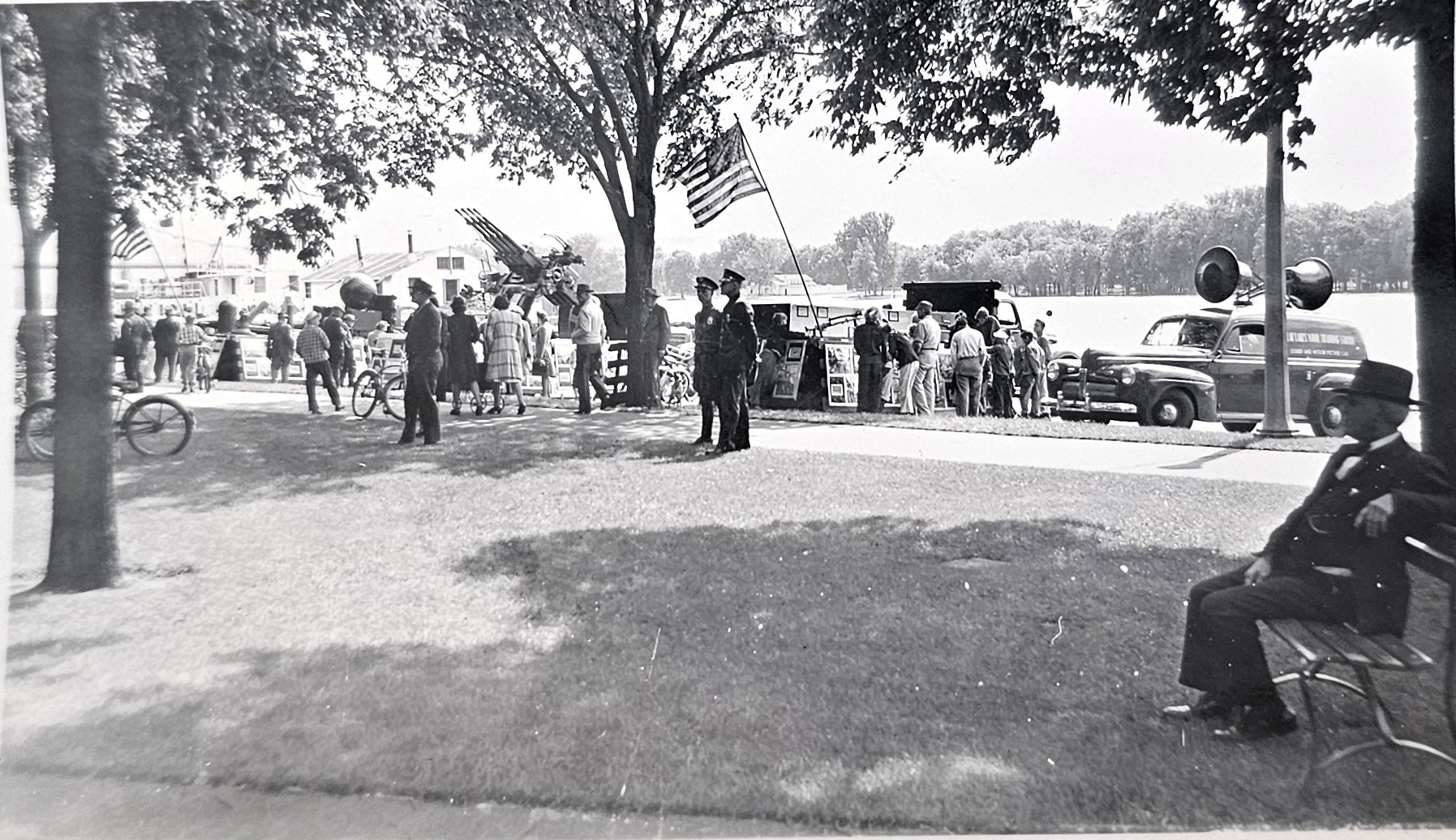

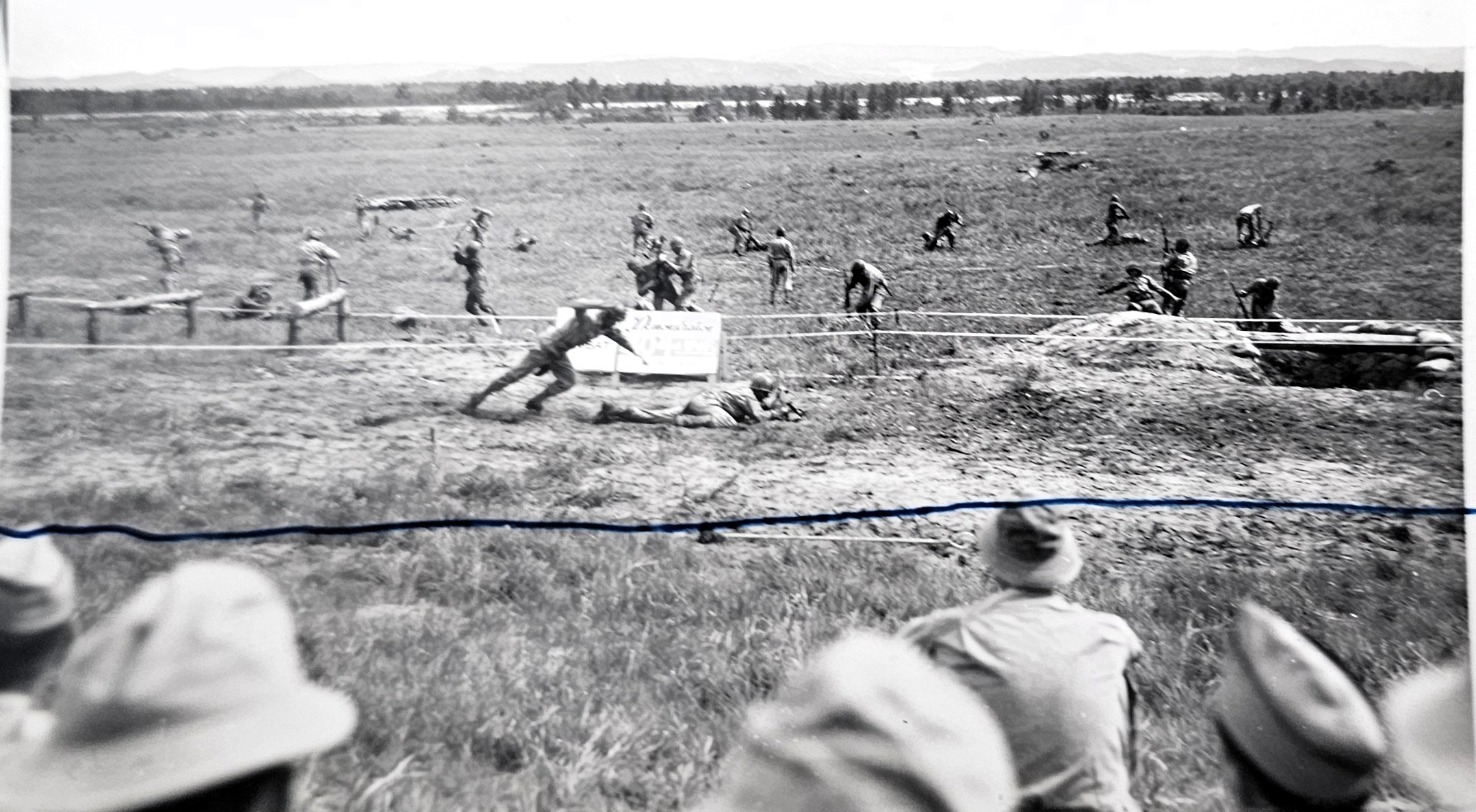
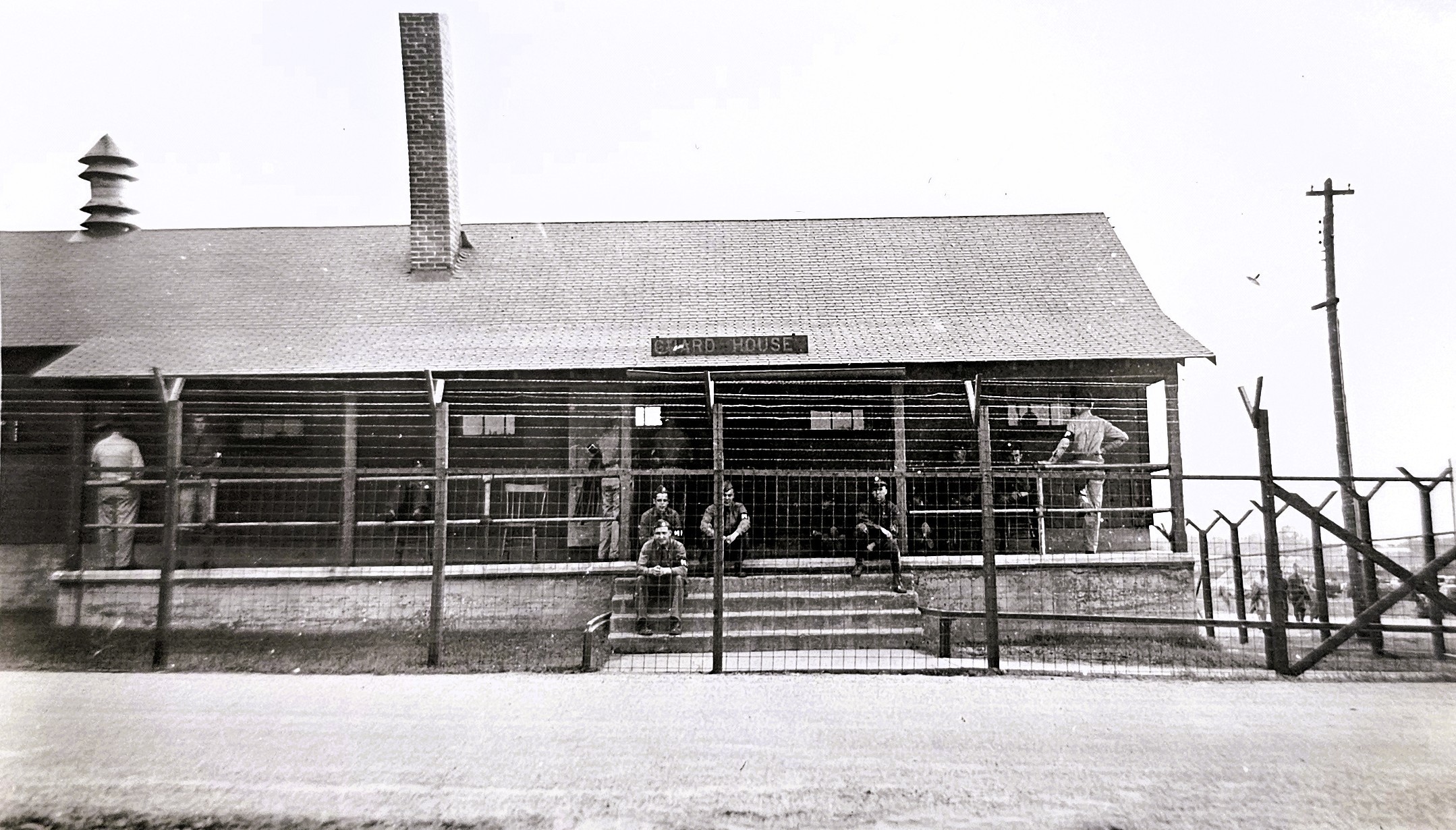


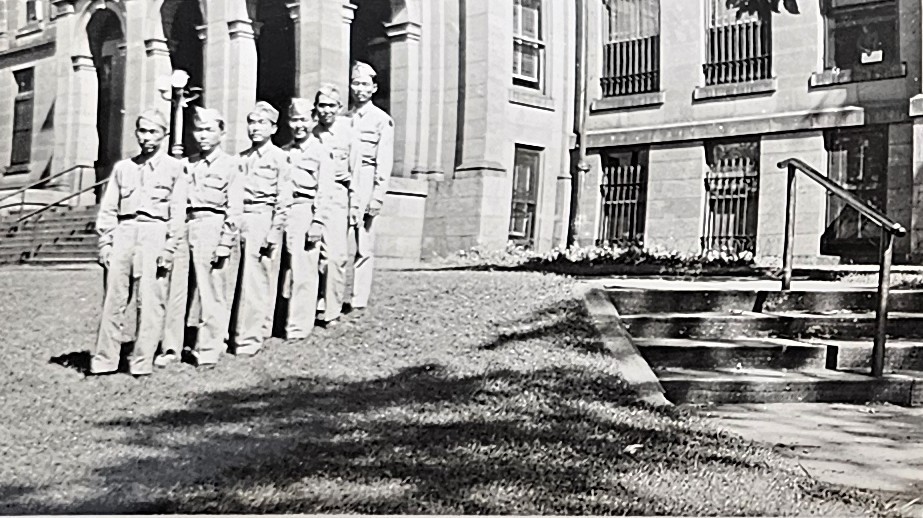
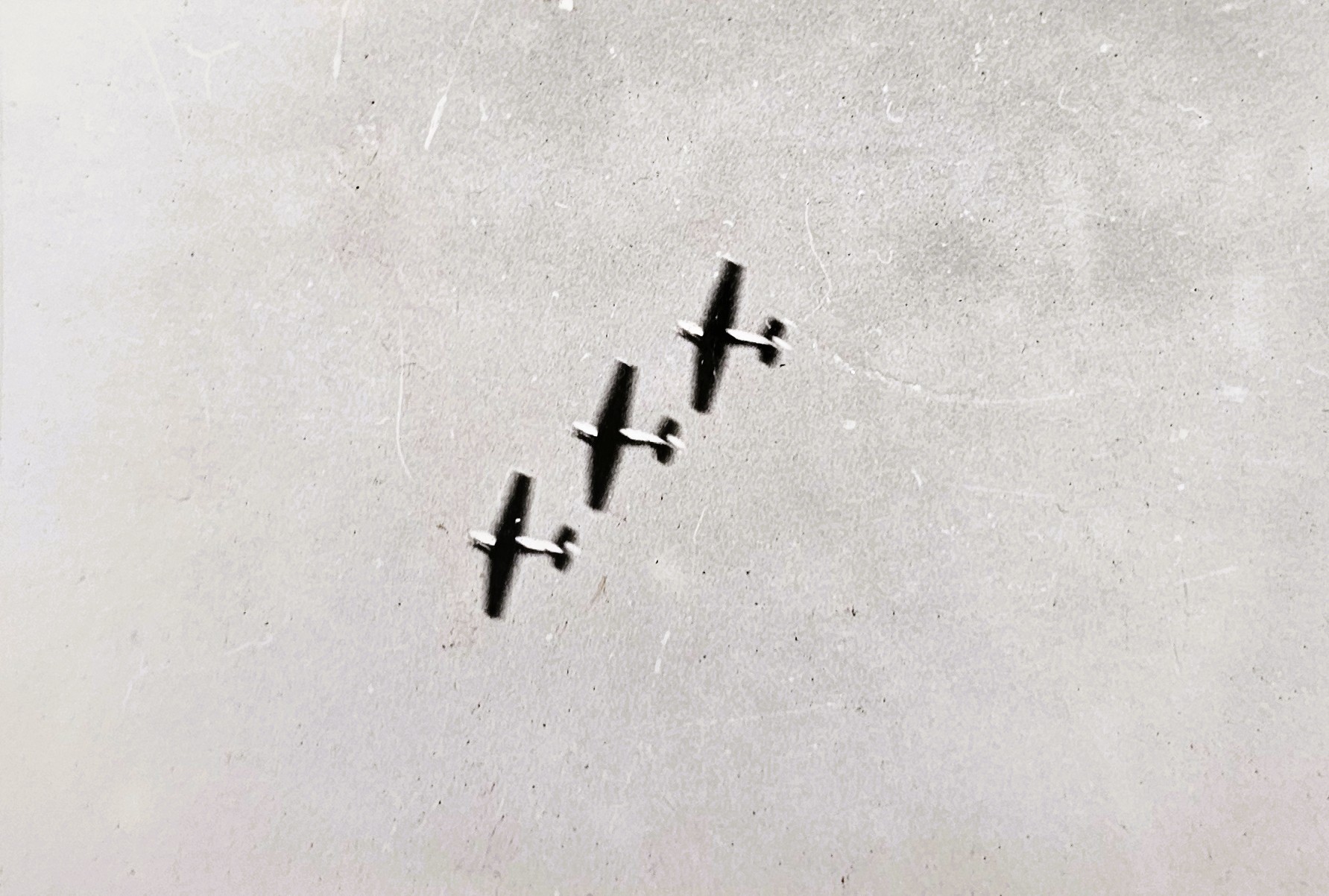
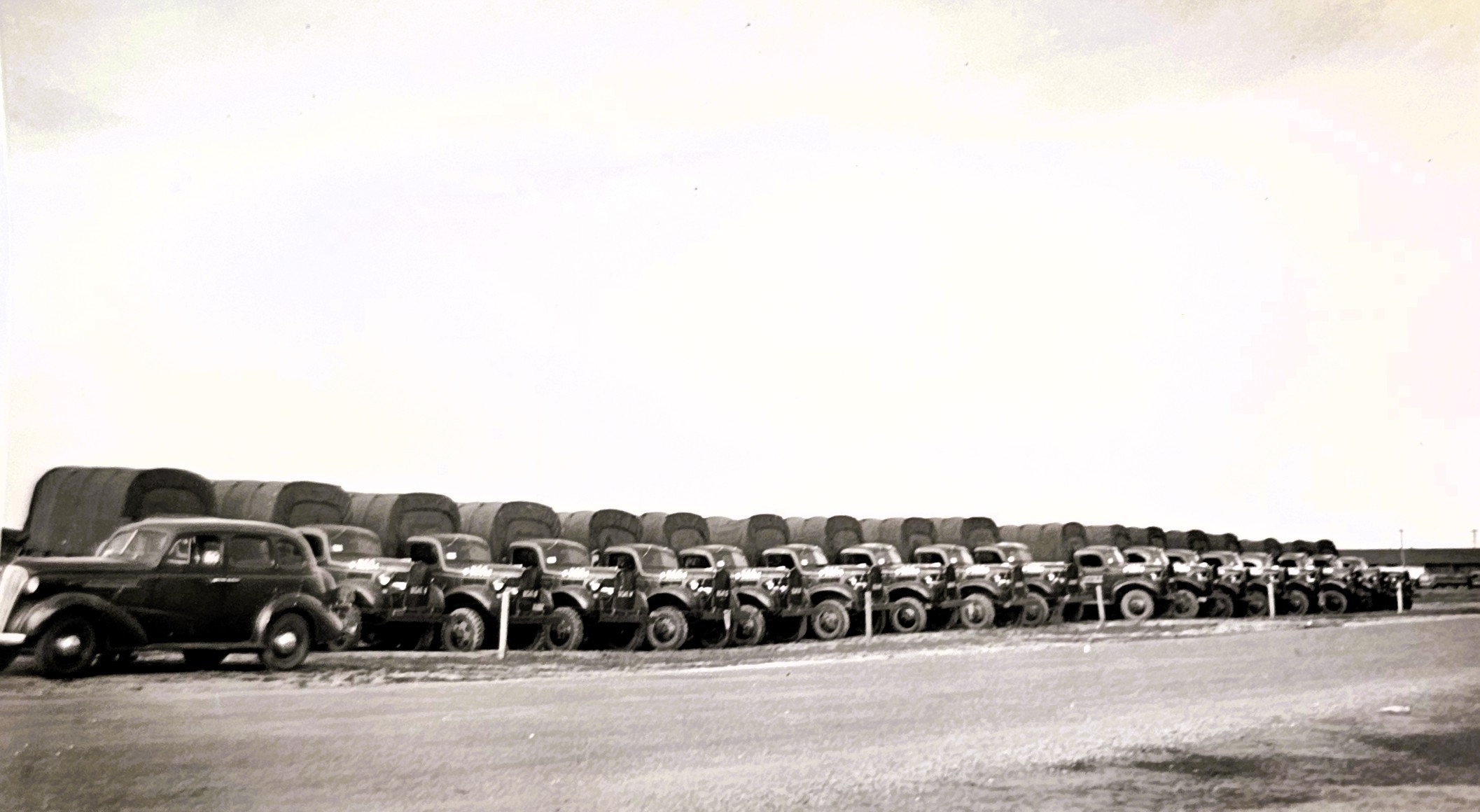
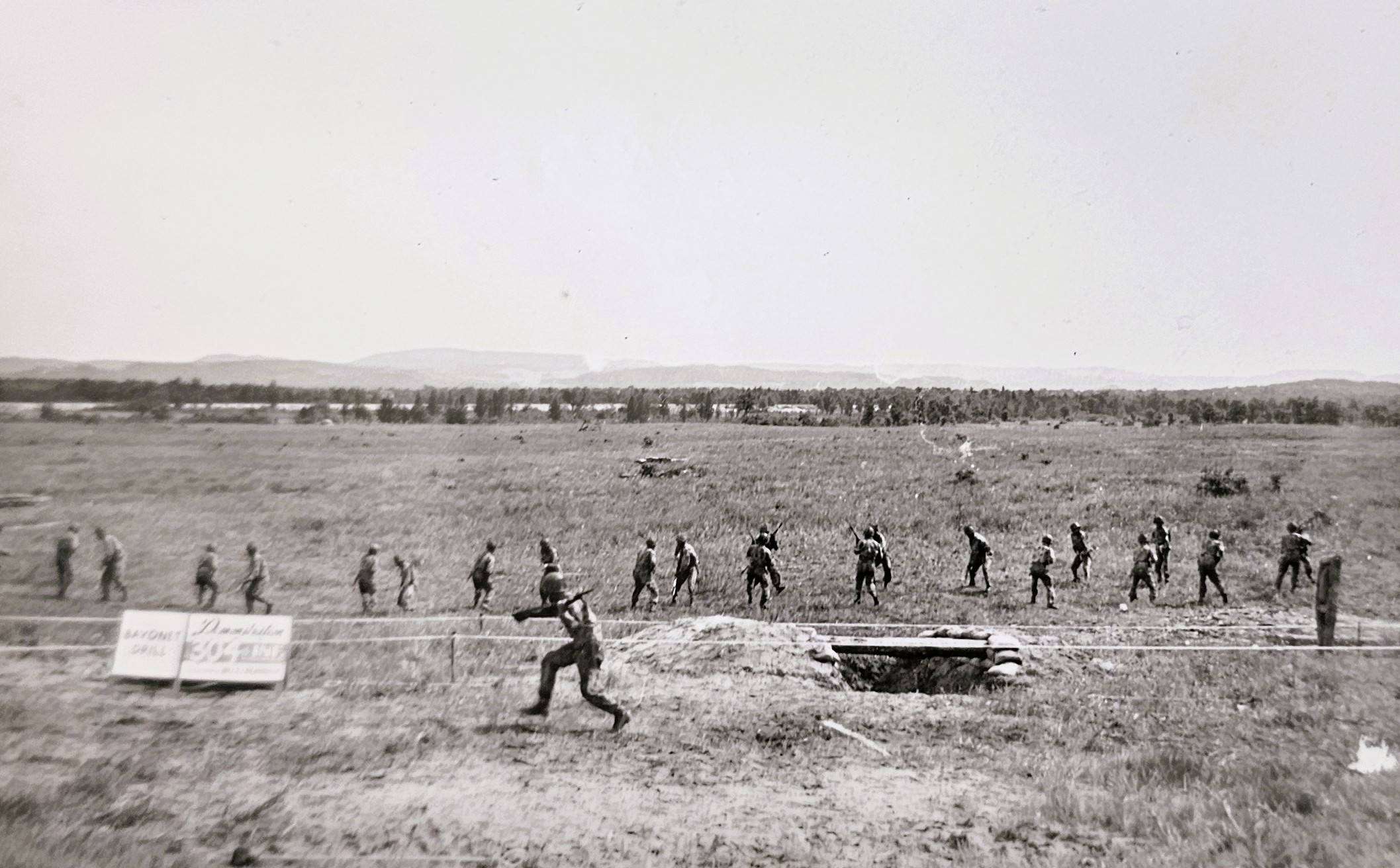
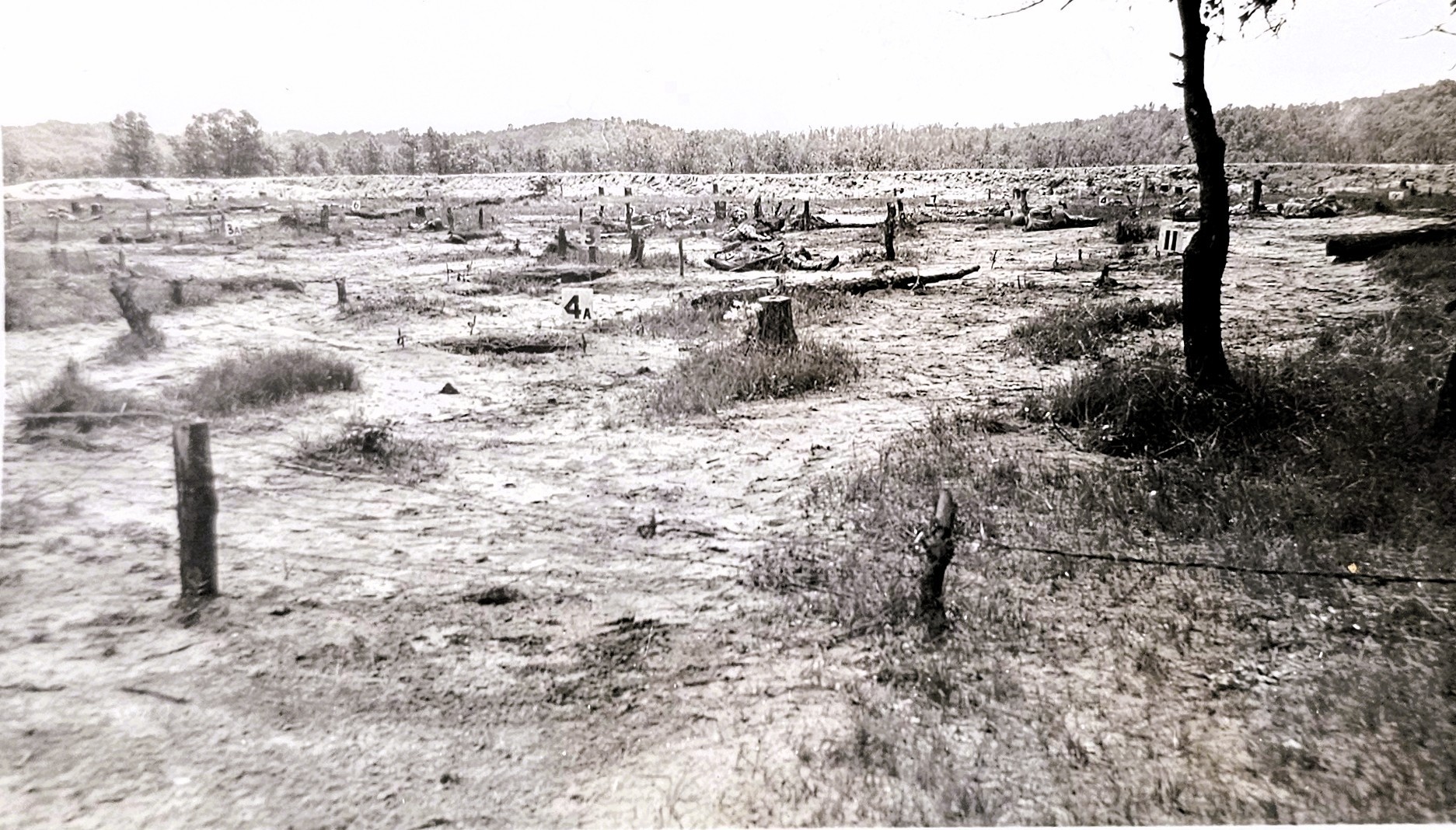

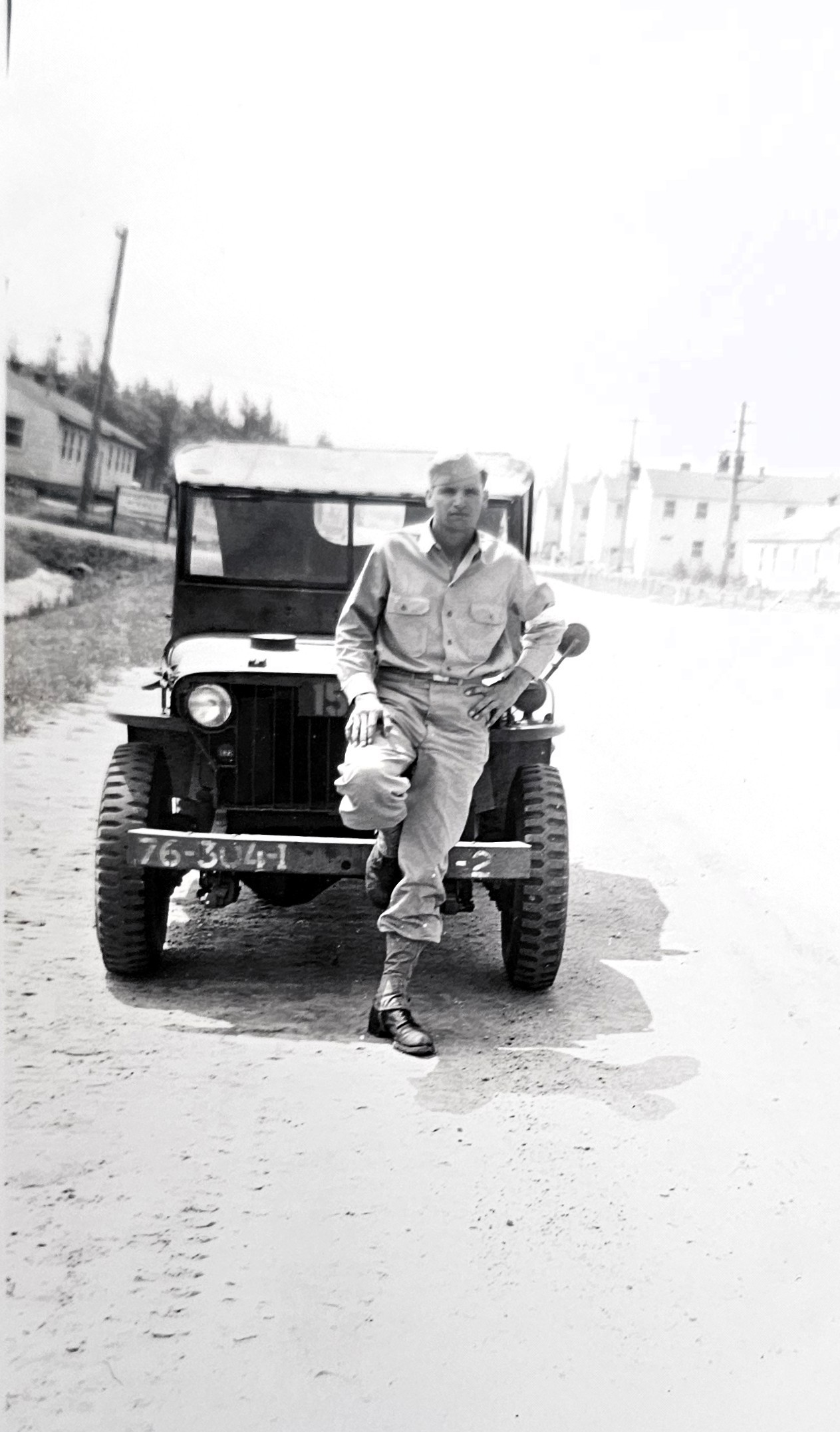

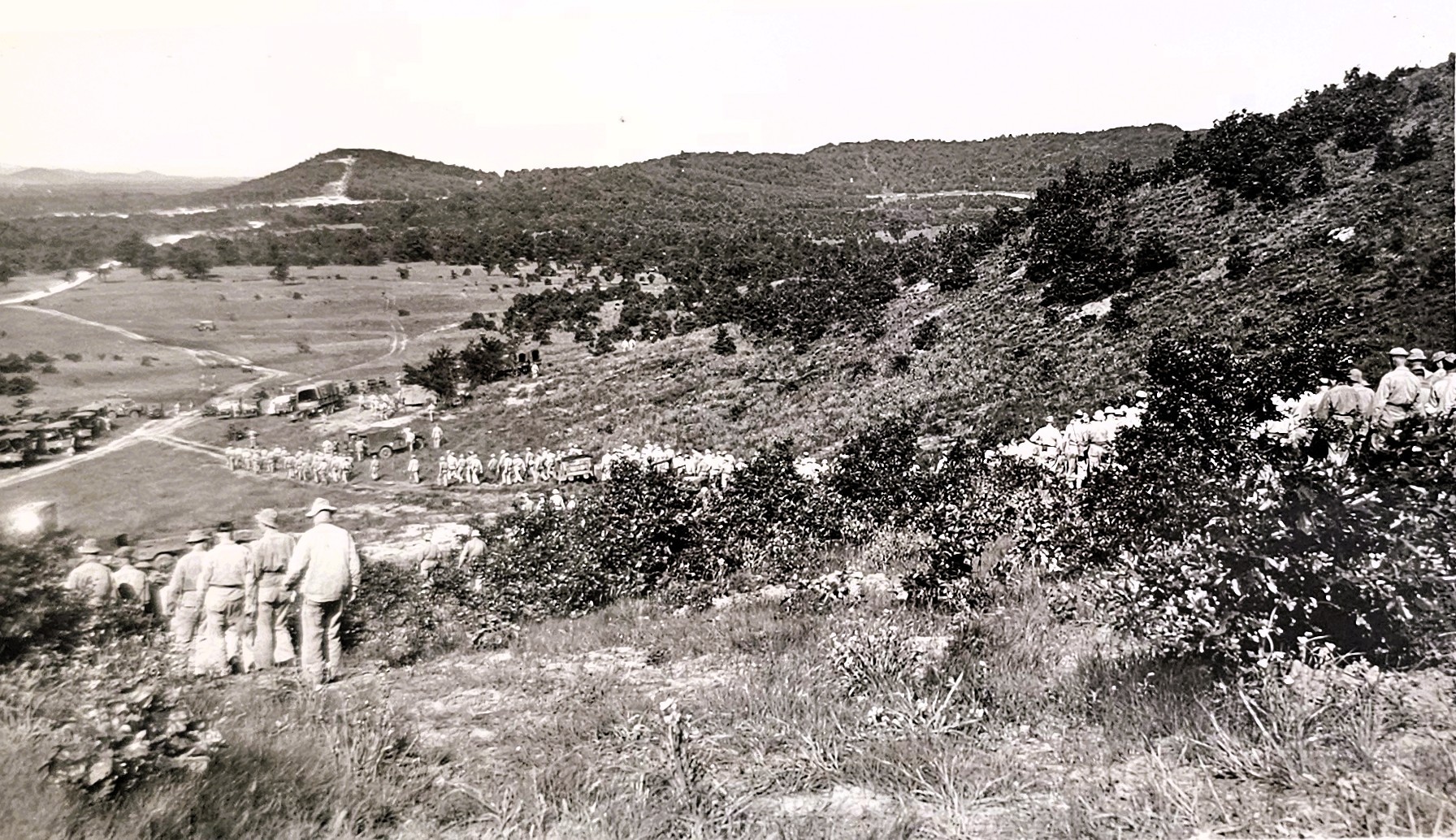


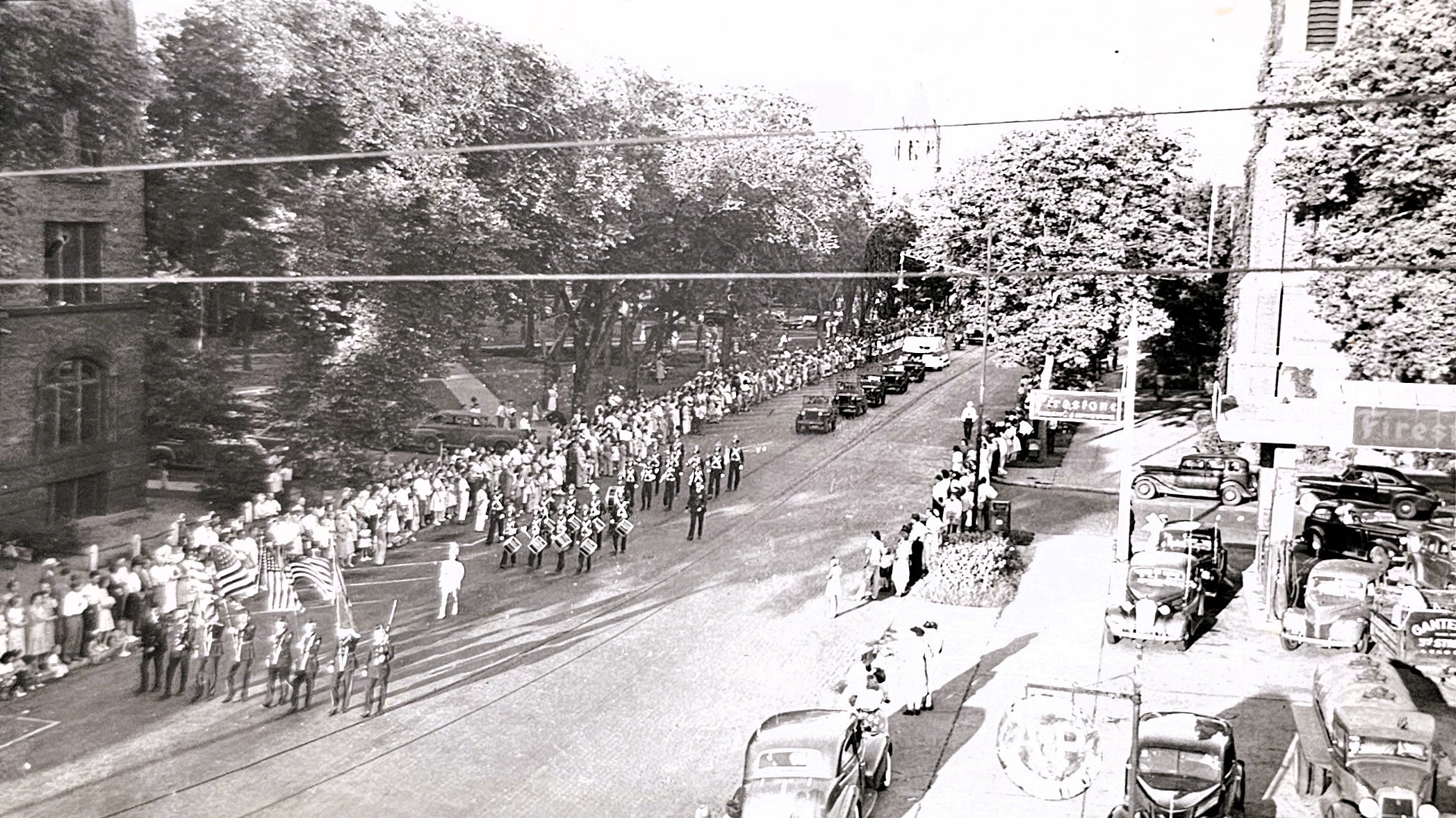
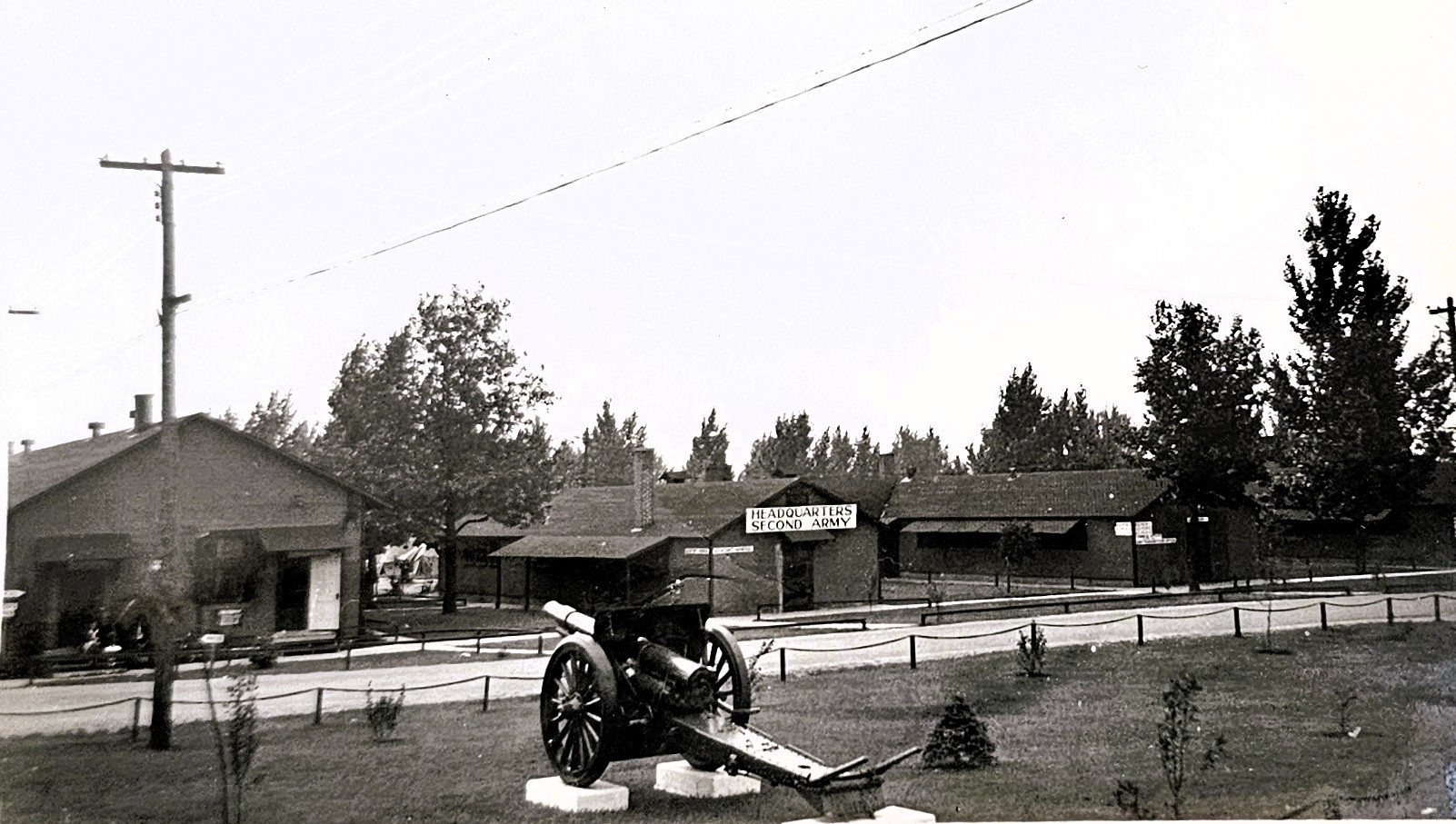
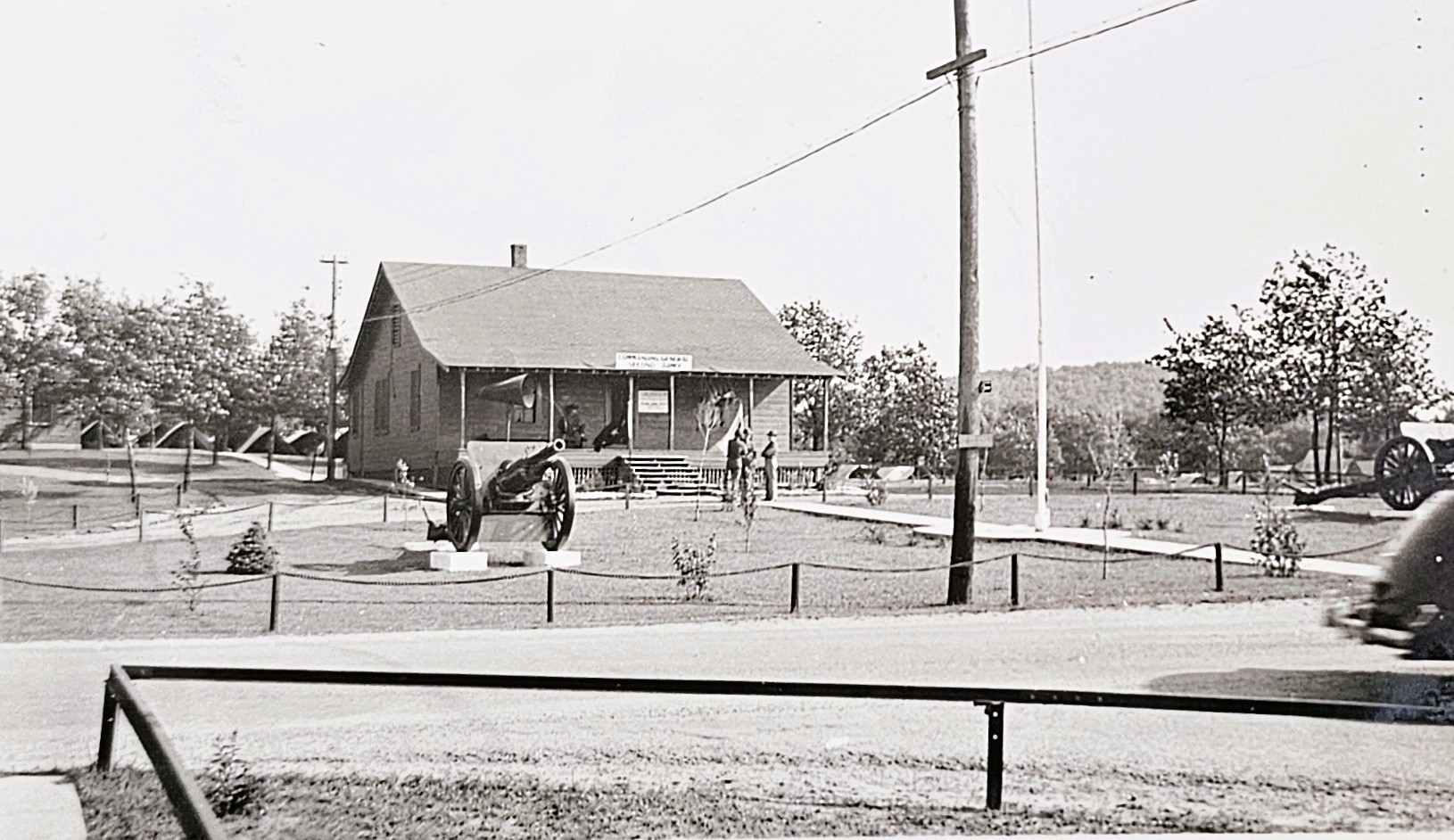
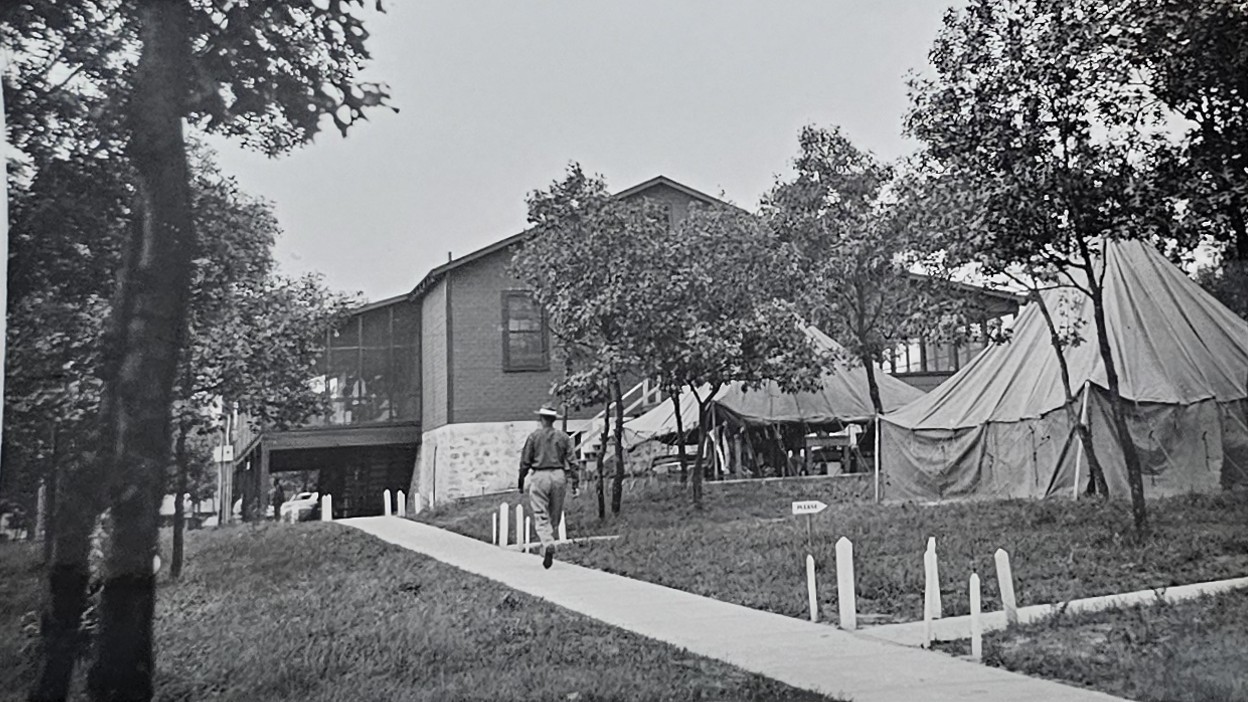
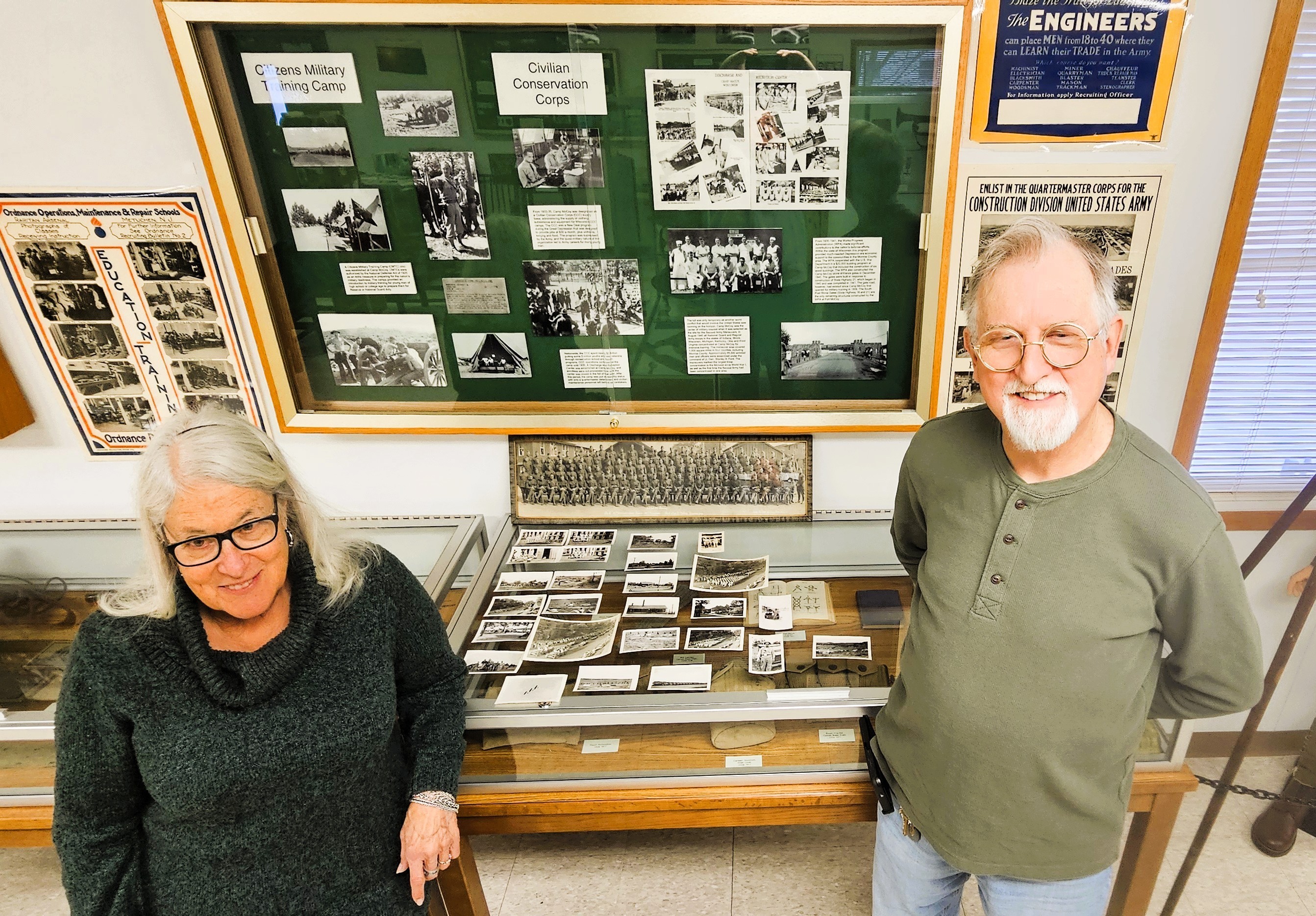
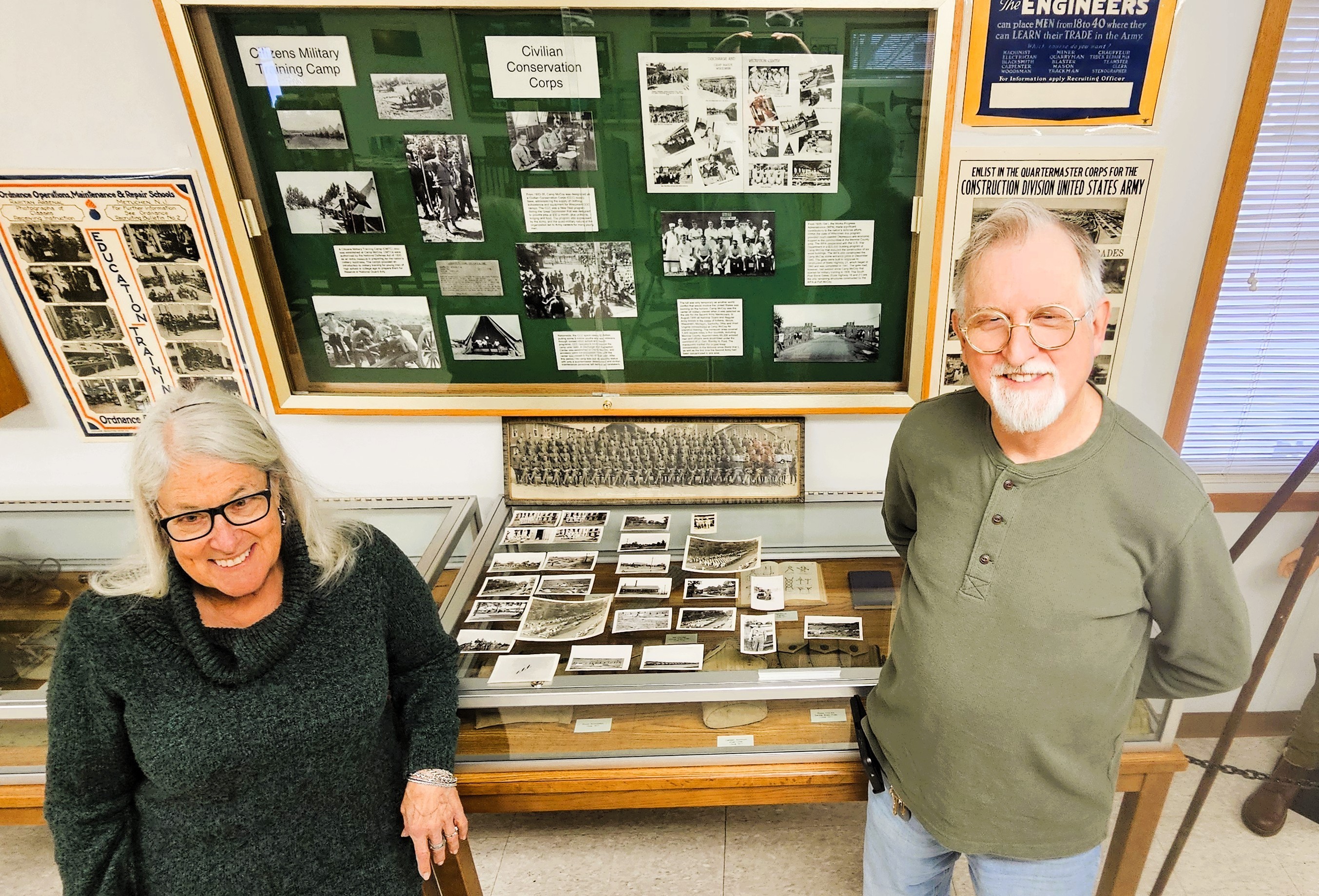
Social Sharing