White Sands Missile Range, N.M. (Aug. 27, 2025) - This article is part of a series that will delve into the history of the Trinity Site Test, which marked its 80th anniversary on July 16, 2025, and the commemoration of the growth and evolution of White Sands Missile Range, which marked its 80th anniversary on July 9, 2025. A commemoration of the establishment of White Sands Proving Ground, now called White Sands Missile Range, will take place on Oct. 17 at WSMR and an observance for the test at Trinity Site will take place on Oct. 18 at the Trinity Site Open House.
The 1990s and 2000s represented yet another transformative period for White Sands Missile Range, as it adapted to the evolving landscape of military technology and geopolitical dynamics. These decades saw a strong emphasis on integrating cutting-edge technologies into missile testing and expanding the range's role in national defense.
In the early 1990s, following the end of the Cold War, WSMR became increasingly involved in testing systems that addressed new military strategies. The focus shifted towards precision strike capabilities, with the development of missile guidance technology that significantly improved targeting accuracy. This evolution reflected the changing demands of modern warfare, where precision became a critical factor in military operations.
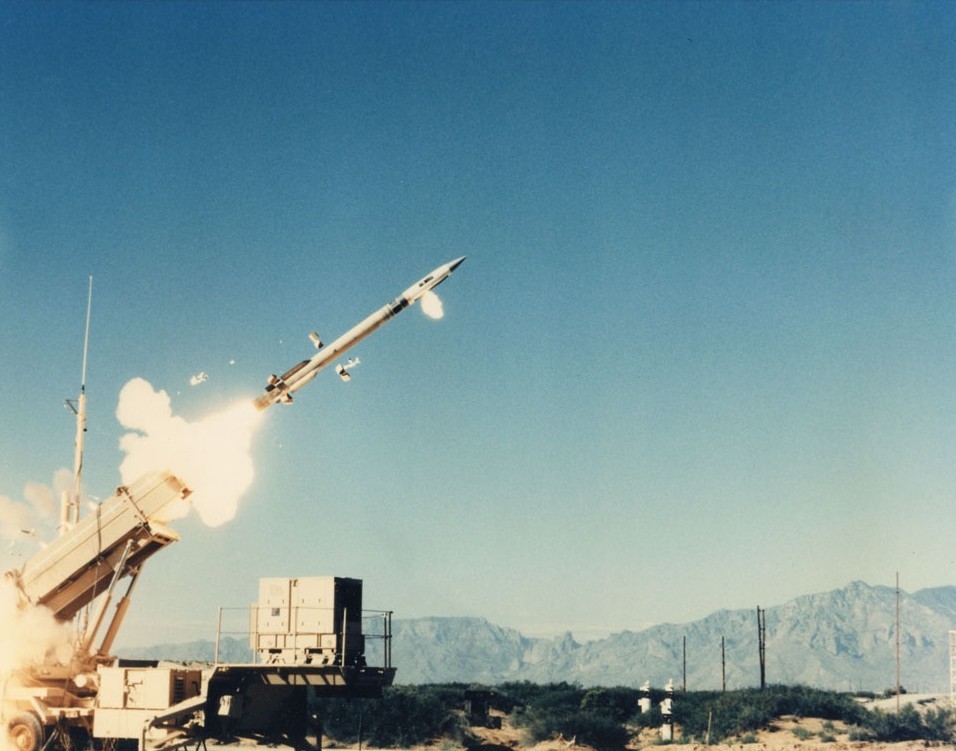
A key highlight of the 1990s was the continued development of the Patriot missile system, which gained prominence during the Gulf War. Its deployment showcased the effectiveness of advanced missile defense systems in real-world scenarios. WSMR played a significant role in testing upgrades and new systems, ensuring that the U.S. Army and its allies remained at the forefront of missile defense.
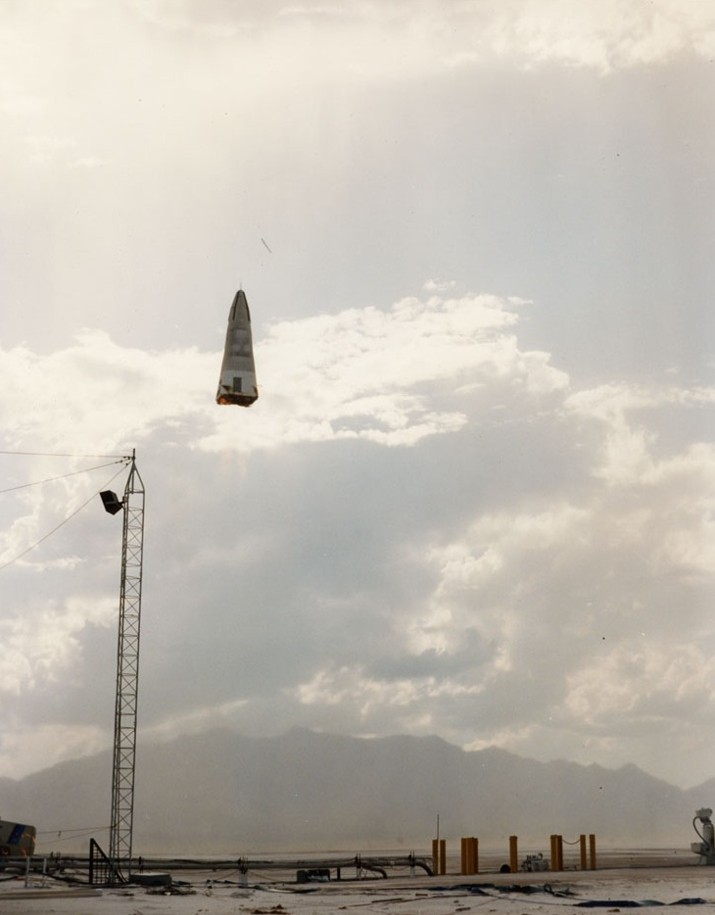
In 1993, the range conducted launch and hover tests with the Delta Clipper Experimental Vehicle, also known as DC-X. The first launch for this reusable single-stage rocket took place on August 18, 1993, at White Sands Space Harbor. Specifically built for the DC-X was a miniature spaceport which incorporated all the functions of a regular operational spaceport. According to the Missile Ranger, the vertical launch left the spectators in attendance in amazement.
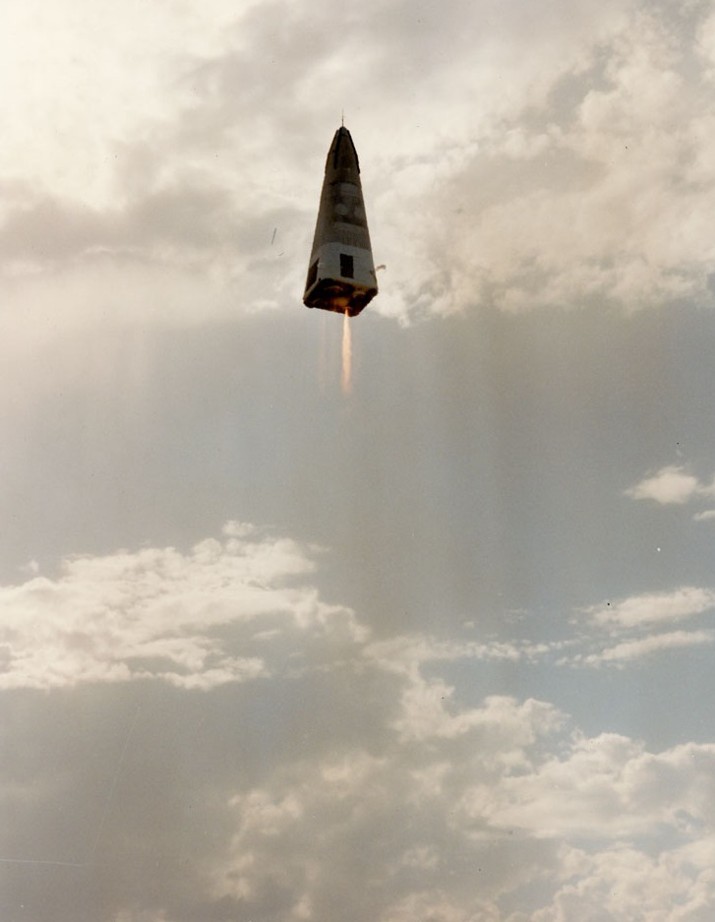
"The DC-X launched vertically, hovered in mid-air at 150 feet, and began to move sideways at a dogtrot. After traveling 350 feet, the onboard global-positioning satellite unit indicated that the DC-X was directly over its landing point. The spacecraft stopped mid-air again, and as the engines throttled back, it successfully completed its vertical landing."
Interestingly, during the 1990s, smoking outdoors became more structured as the Department of Defense and Army implemented a policy in 1994 that designated specific areas for smoking outside. This initiative aimed not only to create designated spaces for smokers but also to promote awareness about the health risks associated with smoking. This shift reflected a growing concern for public health and the well-being of individuals in military settings during that era.
The 1994 edition of the Missile Ranger newspaper had a "Street Beat" section asking, "Do you think the Army's smoking policy (to make smokers smoke outside) leads employees to lose valuable work time when they go out for a smoke?"
One soldier replied, "It can. For example, I have to leave my workstation to smoke. I'm capable of smoking and working at the same time."
In the mid-1990s, the White Sands Missile Range launched the Army Tactical Missile System, a long-range, precision-strike missile that marked another advancement in ground-launched capabilities. The successful tests of the ATACMS underscored WSMR's importance as a site for developing missile systems that were both effective and reliable for military operations.
The October 1996 Missile Ranger announced, "With a roar that filled the desert air, the first operational test firing of an Army Tactical Missile System Block IA containing a live warhead blasted its way to a successful target strike last month at White Sands Missile Range."
After Operation Desert Storm, the Army aimed to develop a missile system capable of targeting enemies at extended ranges. The result was the ATACMS missile, which features fewer submunitions to improve its range capabilities. To ensure it maintains the necessary lethality, the missile is equipped with GPS technology, which enhances its accuracy and precision.
The late 1990s also saw an increased focus on joint exercises and other collaborative efforts among allied forces, as global militaries sought to enhance interoperability among their systems. WSMR became a key testing ground for multinational training programs, fostering collaboration and the sharing of knowledge in missile technology and defense strategies.
In the early 2000s, the Task Force Leader Development and Education initiative recommended that Army schoolhouses transition toward a typical scenario based on the asymmetrical threats, allowing different career field training centers to build synergies in conducting collective joint exercises through linked simulators and computer networks. In addition, they proposed conducting a formal recurring training needs assessment across the Army to enhance training efficacy. The general emphasis was that joint operations training should occur at a lower level than the current Army school curriculum, likely during the basic qualification course, as junior leaders were increasingly managing joint interoperability.
The early 2000s marked a shift in focus toward missile defense systems in response to emerging threats. The development of systems like the Theater (later renamed) Terminal High Altitude Area Defense began to take precedence. WSMR played a crucial role in testing these new technologies, which aimed to intercept and destroy short-, medium-, and intermediate-range ballistic missiles.
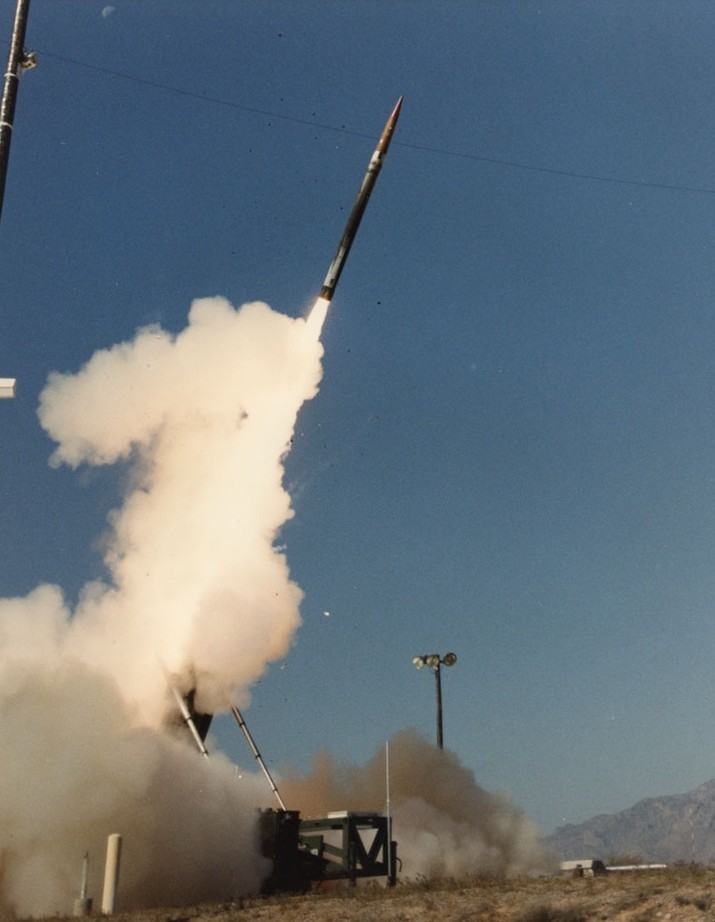
The Hera target, simulating a Scud ballistic missile like those used in Operation Desert Storm, was successfully destroyed on impact in 1999, marking THAAD's first successful intercept of a ballistic missile at White Sands Missile Range. This test involved all THAAD elements, demonstrating the integrated performance of the entire system, which includes radars, a battle management command and control segment, launchers, and missiles.
THAAD is the first weapon system specifically designed to defend against theater ballistic missiles. Notably, after previous tests faced low-tech failures that hindered the THAAD missile from reaching the end game for an intercept attempt, this test marked a significant milestone as it successfully reached that stage and achieved its objective, according to the Missile Ranger.
In 2003, the range hosted live-fire tests for THAAD, demonstrating its capabilities in real-time scenarios. These tests were pivotal in validating the system's effectiveness and readiness, reinforcing WSMR's role as a leader in missile defense testing.
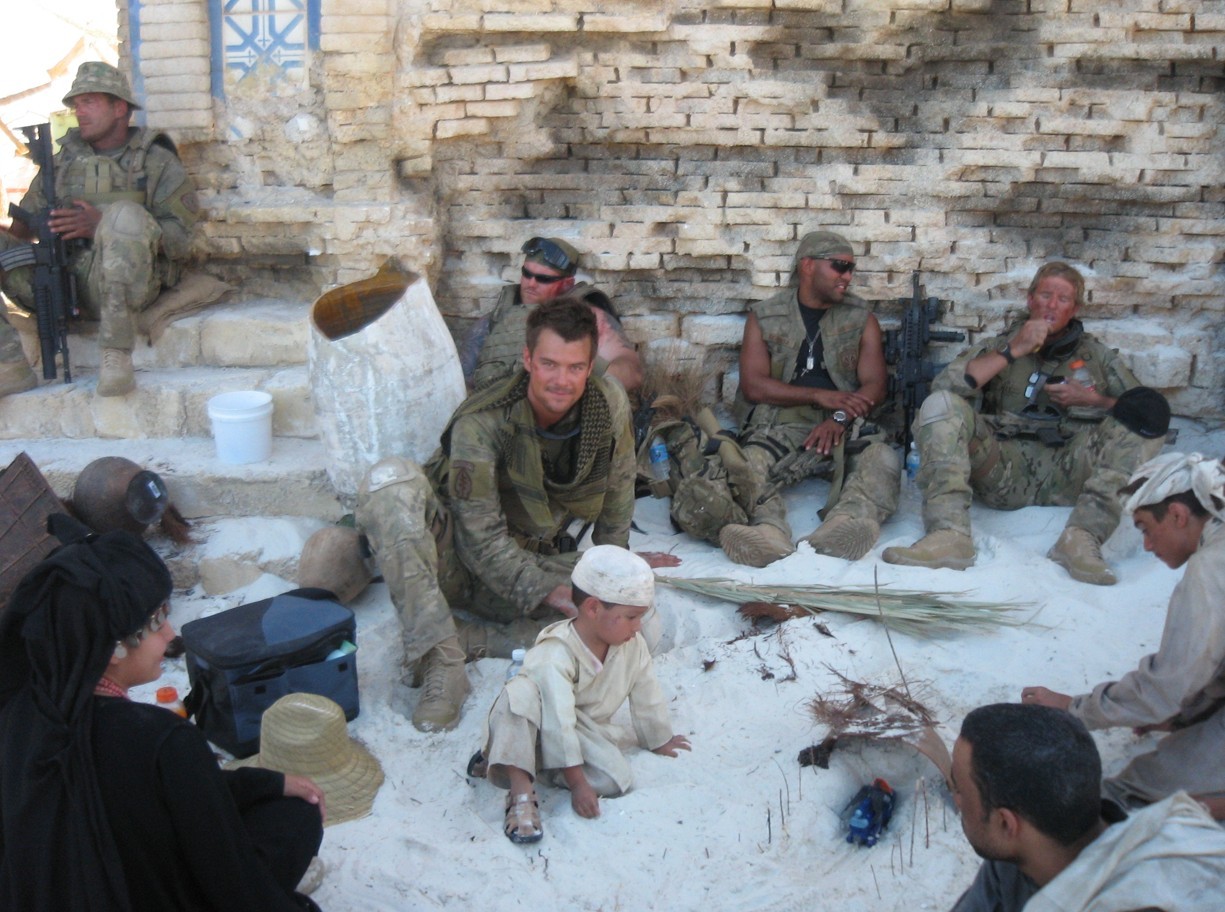
In the 2000s, White Sands Missile Range experienced a touch of Hollywood glamour when it became a filming location for movies. Notably, in 2006, parts of the first "Transformers" movie were shot at White Sands Missile Range. Extras from the region, along with military personnel and equipment from White Sands Missile Range, Holloman Air Force Base, and Fort Bliss, were involved in the production.
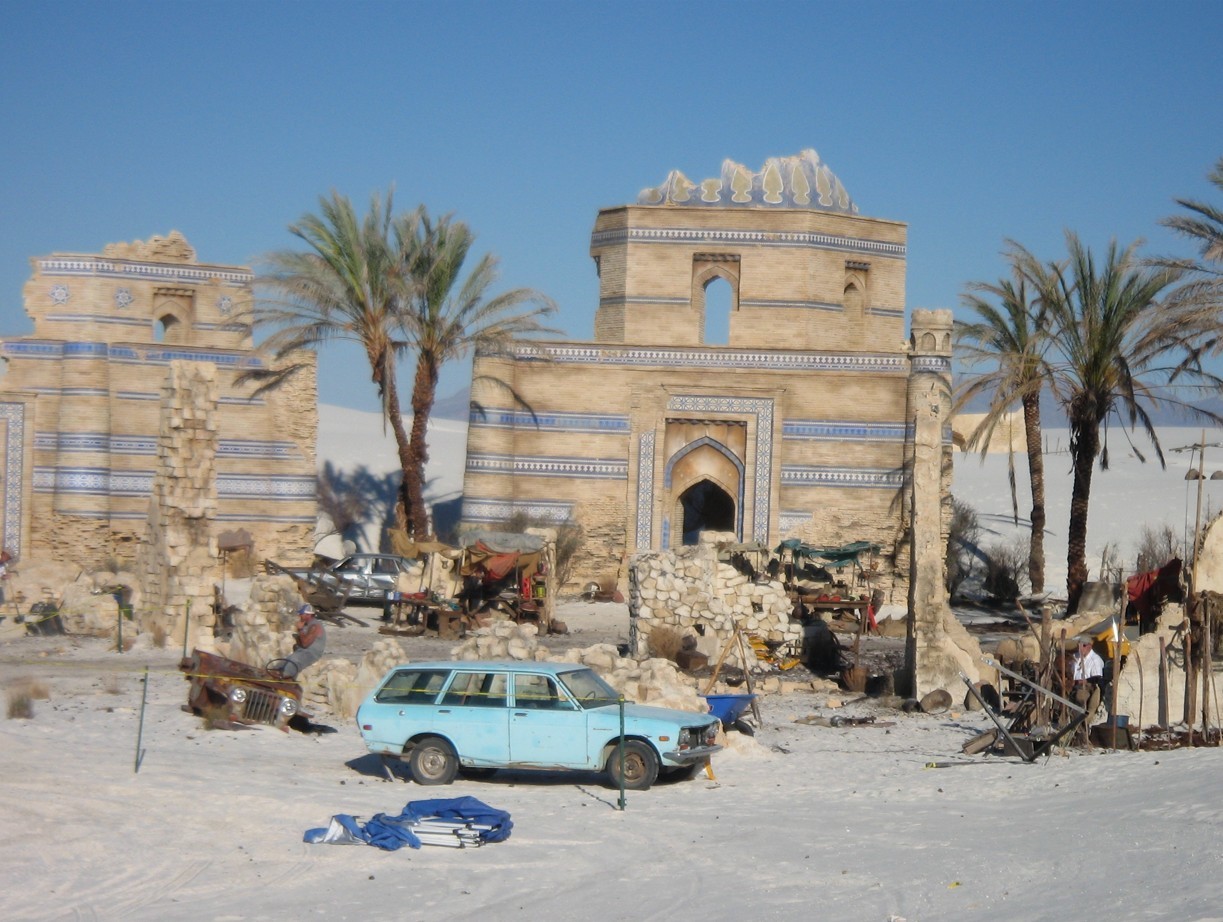
The White Sands Test Center played a central role in supporting the filming of DreamWorks’ motion picture. They coordinated closely with production crews to ensure the safe and authorized use of White Sands Missile Range facilities. This support extended beyond site access, it included the integration of aircraft, military systems, and range targets to provide authentic backdrops and sequences for the film.
“It was really an unforgettable experience. As the Test Officer I had the unique job of coordinating the interaction between the film crew, director Michael Bay, and the actors during the filming of Transformers. It was incredible to watch military aircraft, systems, and targets come together on screen in such a larger-than-life way,” said Andy Ruvalcaba, the White Sands Missile Range Test Officer for Transformers, who still works at WSMR. “On top of that, my wife and son, and other WSMR employees even got to be extras in the movie, we had a front-row seat to the excitement of Hollywood colliding with the mission of White Sands. It’s not every day you get to blend national defense with blockbuster filmmaking.”
Throughout this period, advancements in computer modeling and simulation enhanced testing processes at WSMR. These innovations not only improved the accuracy of data collection but also facilitated the analysis of more complex scenarios during tests, allowing for a deeper understanding of missile systems and their performance capabilities.
In summary, the 1990s and 2000s were a dynamic period for White Sands Missile Range, as it adopted new technologies and adapted to the evolving demands of military operations. With a focus on precision strike capabilities, and missile defense, America’s Range solidified its reputation as a crucial contributor to national and allied defense strategies, paving the way for future advancements in missile technology and aerospace research.
Social Sharing