
VIEW ORIGINAL

VIEW ORIGINAL
ABERDEEN PROVING GROUND, Md. (August 13, 2025) – The Army’s vehicle platforms host an array of communications equipment as diverse as the missions they support.
However, when Army priorities change, the service requires a team of platform integration experts using flexible and speedy processes to ensure the right equipment matches the right mission.
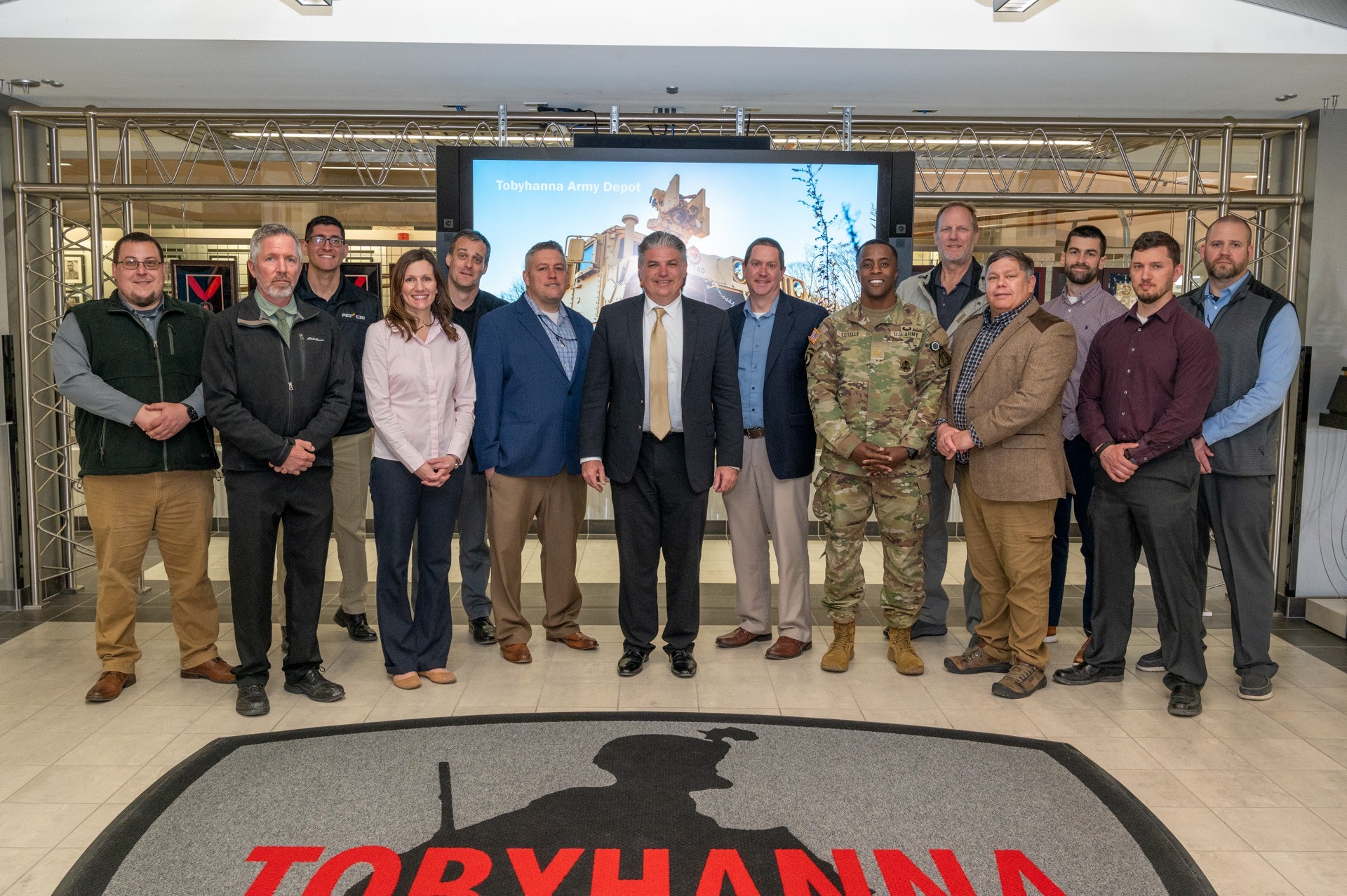
To meet these dynamic fielding requirements, Product Manager Handheld, Manpack and Small Form Fit (PdM HMS), assigned to the Program Executive Office Command, Control, Communications and Network (PEO C3N), established an organic partnership with Tobyhanna Army Depot (TYAD).
HMS is the total lifecycle manager for tactical radio communication, with products that enable net-centric operations across multiple bands and nodes. TYAD provides cradle-to-grave lifecycle support through depot-level repair, systems integration, software and cyber engineering, and field support.
Together, these organizations are expediting radio kit integration and fielding onto more than 100 Army platform variants faster and cheaper than using previous industry contracts – all guided by an expert workforce seasoned to address the intricacies of inserting radio communications equipment into confined armored interiors.
“Having the flexibility to adjust schedules and quantities produced, realize cost avoidance, and obtain access to top talent are some of the many benefits to partnering with Tobyhanna,” said Kenny Lee, mechanical engineer, PdM HMS Platform Integration.
Commercial contracts come with a limited scope, which can be both rigid and expensive if changes are needed, he said.
“Since they don't have to outsource their work to third party vendors, we can change kit production on the fly based on our guidance and direction from the Army,” Lee said.
The cost benefits to the organic partnership are realized through the modification process. For example, for a commercial vendor to modify the number of kits integrated has shown to add 30% above the cost of working directly with TYAD, he said.
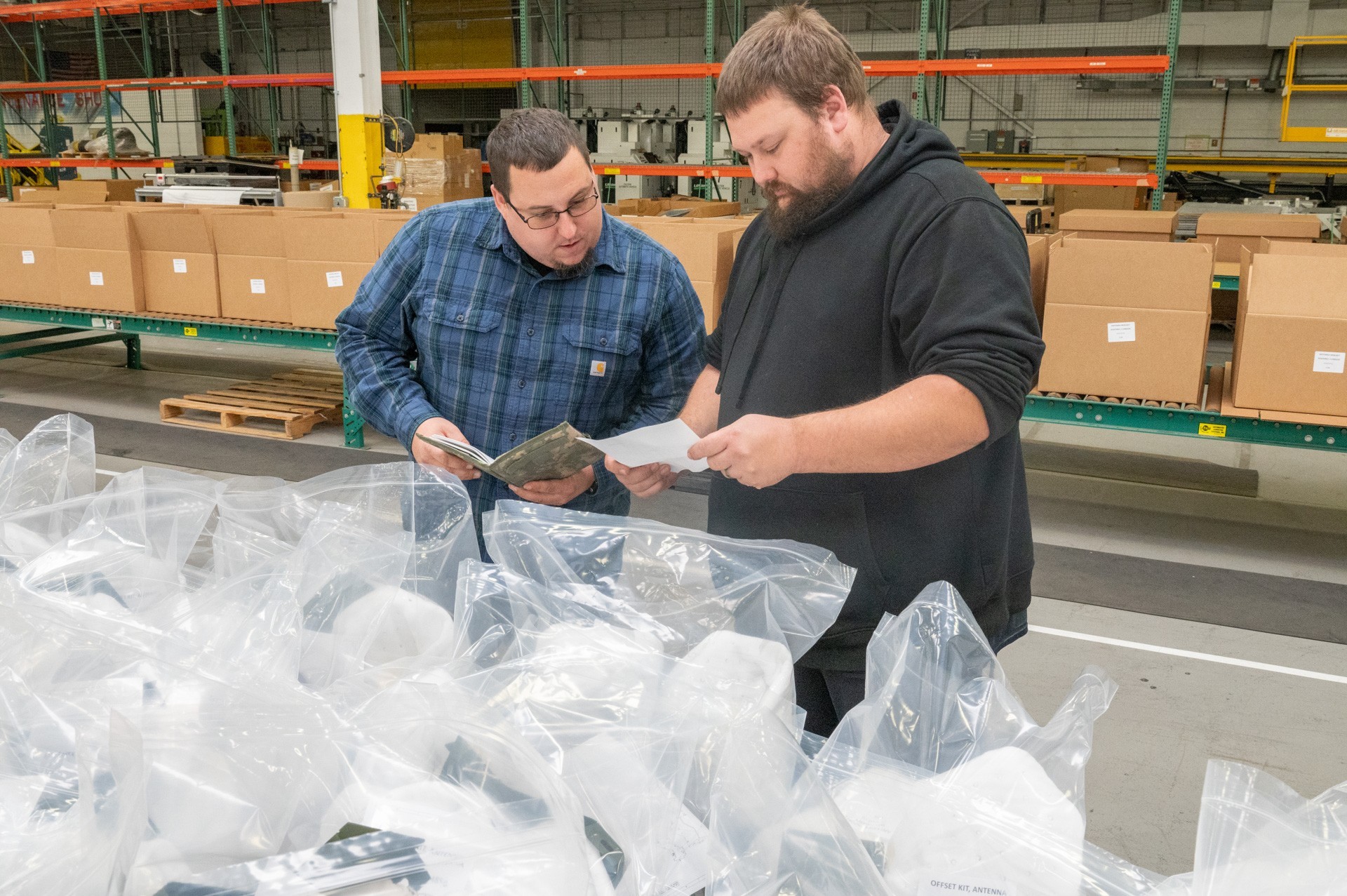
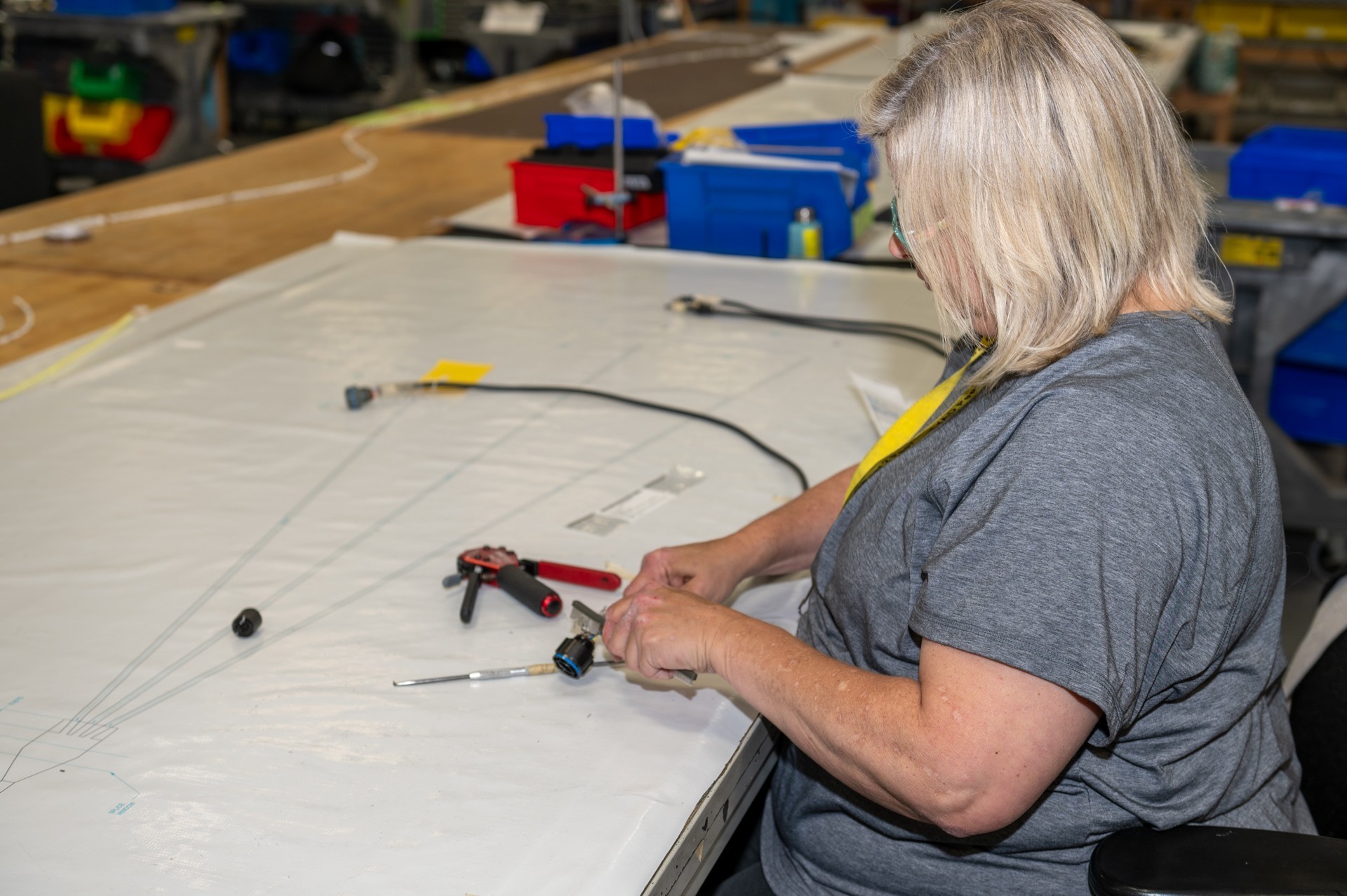
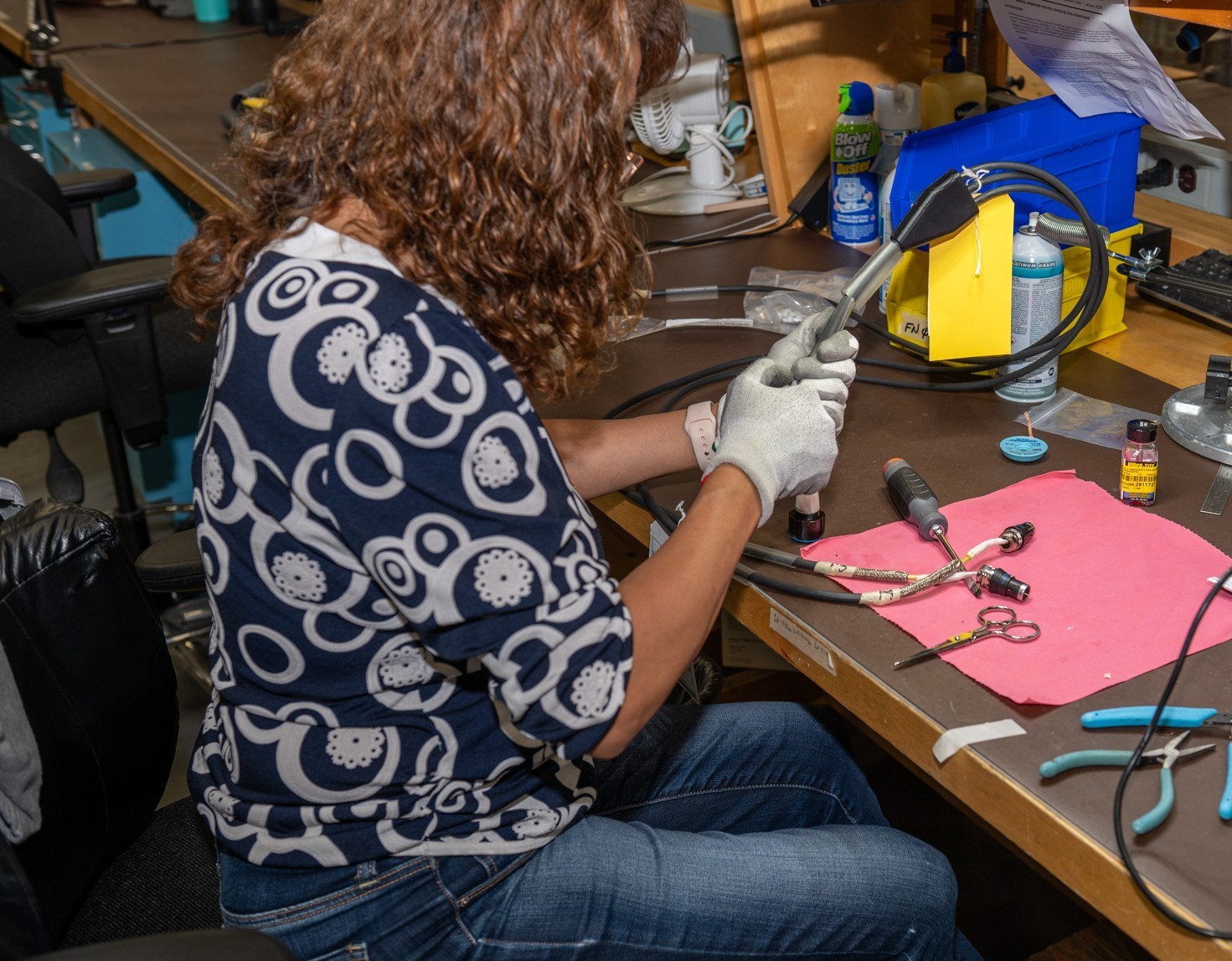
“The TYAD team fabricates numerous components, including cables, antenna brackets and mounts, and combines all of them into ‘A-Kits' to ship out to the PM TR Platform Integration Team for installation,” said Bill Brothers, Logistics Management Specialist for TYAD.
The PM TR team then partners with Army priority units to integrate the kits into Bradley and Abrams tanks, Strykers and other wheeled vehicles.
The process for knowing “what goes where” lies in the engineers’ technical data packages (TDPs), which are derived from the kit configuration and integration information. Finding enough space to insert communications equipment – both inside and outside the platform – creates challenges, as does cable routing and antenna placement, which if implemented incorrectly could create electromagnetic interference.
Flexibility in kit production also flows down to the fielding process; the teams on the ground must align with the units’ fielding and training schedules.
“Even though these windows of time are identified months in advance, unforeseen deployments happen, so we have to be flexible to meet their availability,” Brothers said.
To ensure online collaboration, both organizations have access to the same software product, which provides real-time notifications of updates to TDPs soon as they are uploaded.
“All of our engineering and configuration management meetings include Tobyhanna and the various platform offices to allow all to participate in the feedback process during the drawing and technical data plan phase,” said Capt. Justice Spear, assistant program manager for PdM HMS Platform Integration.
“Through these frequent and candid conversations, we build shared understanding that allows us to best meet stakeholder needs throughout the various phases of production,” said Capt. Justice Spear,
The long-term partnership between the PEO C3N and TYAD integration teams continues to deliver quality radio kits on schedule for us, which minimizes the risk associated with fielding, Lee said.
“Now when real-world scenarios force Army fielding priority changes, we are ready to answer the call.”
---
The U.S. Army Program Executive Office Command, Control, Communications, and Network (PEO C3N) develops, acquires, fields and supports the Army's Unified Network (Tactical and Enterprise) to ensure force readiness in both current missions and potential future large scale combat operations. This critical Army modernization priority delivers resilient terrestrial and satellite communications capabilities to ensure commanders and Soldiers remain connected and informed at all times, even in the most austere and hostile environments. PEO C3N is delivering an integrated Unified Network to regions around the globe, enabling high-speed, high-capacity voice, data and video communications to an Army user base that includes joint, coalition and other mission partners.
Social Sharing