Michelle Dirner, associate director of the Communications-Electronics Command Software Engineering Center’s Army Shared Services Center, had a goal when the Army SSC was established eight years ago. That goal was to enhance the efficiencies of enterprise resource planning systems.
She has made progress and intends to make more.
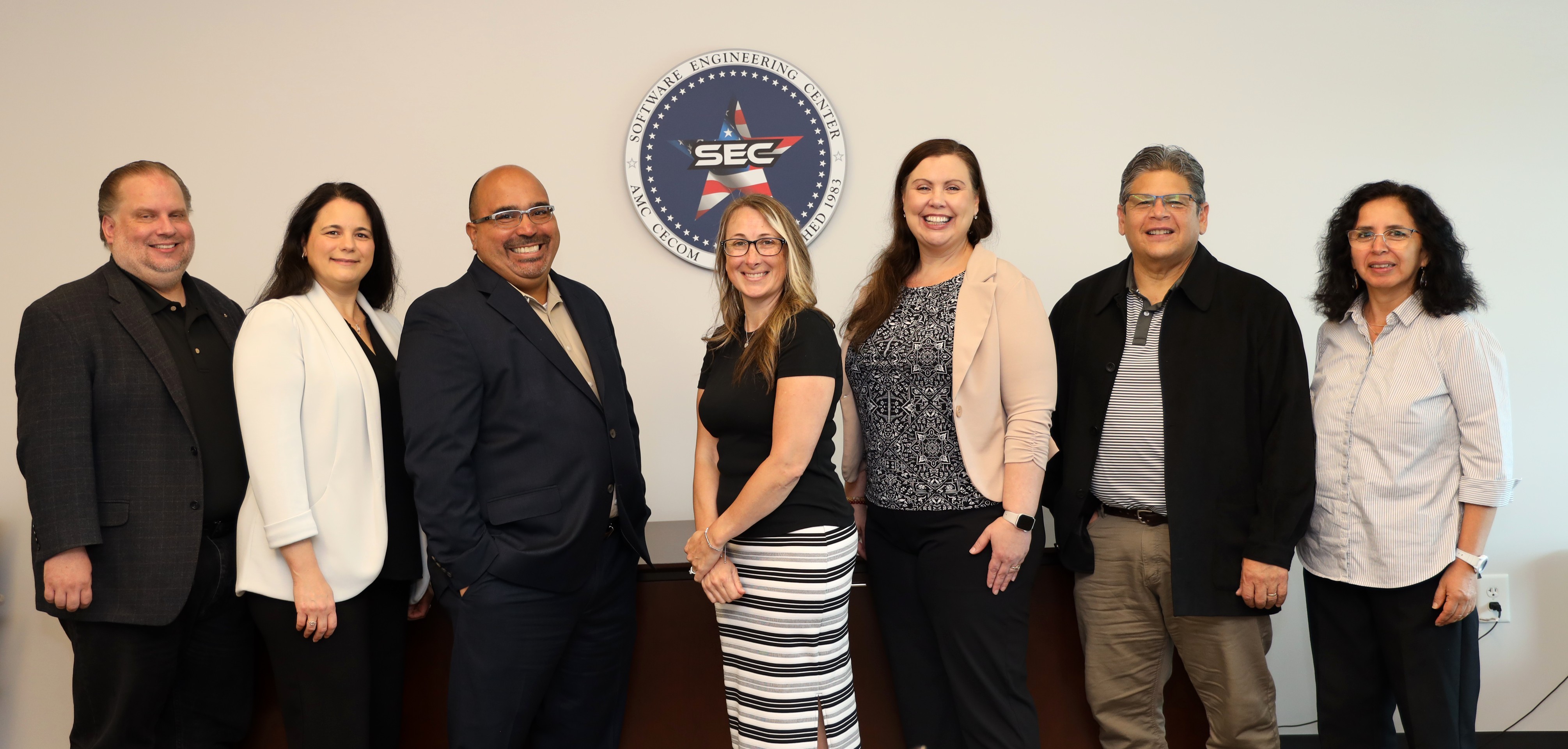
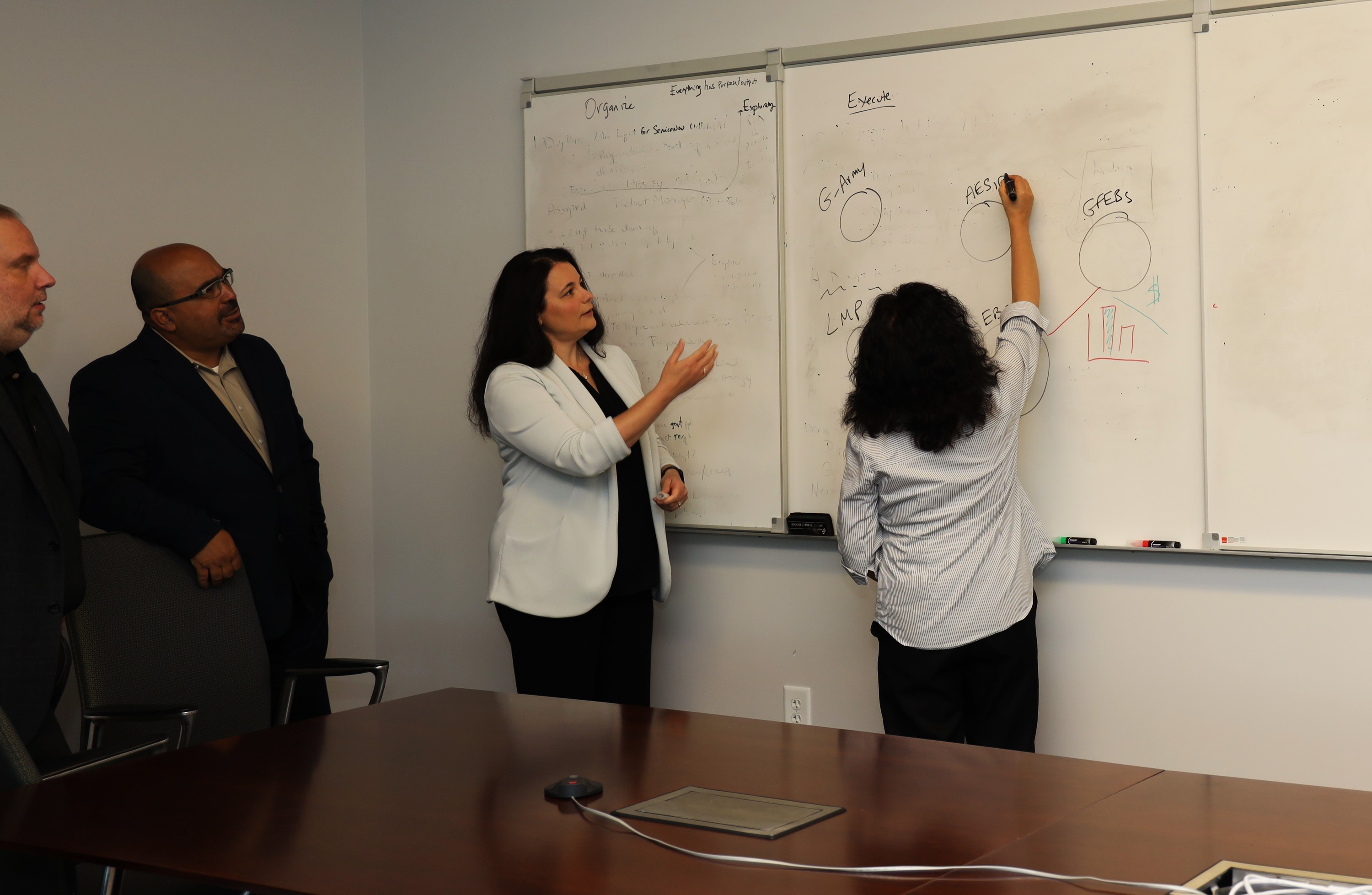

Dirner oversees the Army SSC support and sustainment of Army ERP systems and transition strategies in an ever-changing domain. Army SSC also provides expertise and capabilities in business process re-engineering, data strategies, system architecture, and application integration.
Army SSC’s ERP systems include the Logistics Modernization Program, Global Combat Support System – Army, General Fund Enterprise Business System, GFEBS-Sensitive Activities, and Army Enterprise Systems Integration Program Hub.
In partnership with the Project Executive Office Enterprise, Army SSC has been working on cost-saving approaches including economies of scale.
Dirner noted that there were multiple contracts for various ERP systems that were expensive and lacked a unified approach to maintaining the ERPs. ERPs based on the same underlying technology — SAP, a leading producer of ERP software.
Dirner changed this model by bringing in employees with government experience and skills to take on the workload of contractors, then consolidating into shared or common teams that could work across the different ERPs.
“We insourced roughly 300 government people with technical skills and then we consolidated all ten contracts into one that would augment our government people,” Dirner said.
Dirner’s actions then forecasted current DOD guidance to operate with an organic workforce, showcasing SEC as a leader in leveraging in-house capabilities.
After consolidating contracts, Dirner and her team began improving one of the major user interface experiences—the help desk.
“That's probably about 200,000 users,” Dirner said. Instead of calling separate help desk numbers for each system, Army SSC consolidated the help desk system into a single toll-free number and ticketing system.
The consolidation effort has allowed for an easier user experience.
“The user doesn’t have to worry about it. We take in the ticket and then we route it to the right technical expert to fix it.” Dirner said.
In addition to being user-friendly, there is another benefit from streamlining the help desk.
“It has been $1,000,000 saved per year by consolidating the help desk,” Dirner said. Army SSC was able to save on facility costs by downsizing to a single help desk and changing to a more cost-effective operating model. “We are going to implement Gen AI capabilities that will further enhance the user experience and cut costs,” Dirner said about next steps.
In 2023, Army SSC and PEO Enterprise shifted from a waterfall methodology to Agile to deliver user requirements more rapidly. This was a significant overhaul to improve collaboration across stakeholders, reduce duplication of effort, streamline integration, and accelerate delivery of mission-critical capabilities to users.
While embracing Agile, Dirner and team also improved the automated monitoring of systems.
The Army SSC has significantly improved its system monitoring process, moving away from having technical experts watching a screen to see if the system is up and running, confirming batch job completion, and or verifying data loads.
The Army SSC has implemented new tools that automatically monitor the system and alert the help desk about any operational, performance, or security issues. When the help desk receives an alert, they promptly contact the relevant technical expert to address the problem 24 hours per day. This automated approach eliminates the need for costly overnight monitoring by technical staff, leading to increased efficiency and reduced operational expenses.
People are still central to the success of Army SSC. They have leaned heavily on cross-sharing of knowledge and resources. Now, a subset of Army SSC teams can work across programs.
“It takes time to get people to learn all those systems. So, now we've started,” Dirner said.
Having teams that can work across programs helps Army SSC troubleshoot quicker when there is an outage or technical problem. It also provides teams with backup experts. If a particular system expert is out, there’s another person ready to jump in who’s familiar with that system. It makes Army SSC more efficient with break/fix situations and unplanned events.
With Army SSC’s mission to centralize ERP support teams and standardize tools and processes now firmly in hand, Dirner and PEO Enterprise have a plan for what’s next.
“Army SSC is going to go under the program office’s operational control and work as one team now. We're not going to be looked at as separate organizations. This will streamline execution in a more cost-efficient and rapid response model,” Dirner said.
Having operational control of Army SSC allows PEO Enterprise the authority to perform functions of command over Army SSC. This includes organizing, assigning tasks, and giving authoritative direction necessary to accomplish a mission. It encompasses the day-to-day management and oversight of Army SSC’s operational efficiency.
In preparation for the new operational control structure, which begins in October, PEO Enterprise is merging all product offices into one product office called Consolidated ERP. C-ERP will be placed under the Enterprise Business Systems Convergence program office within the PEO. EBS-C is the Army’s business modernization and transformation effort that streamlines business operations while improving auditability.
“Before, we were coordinating across multiple product owners and organizations,” Dirner said. “This is going to make us more efficient. It's going to help us drive change better because there's unity of command to help us accomplish our goals.”
Bill Hepworth, program executive officer at PEO Enterprise, recognizes the effort.
“Speed, efficiency and excellence are the three pillars that inform everything that we do,” Hepworth said. “The Army Shared Services Center has been and will continue to be a valued partner, closely aligned with our Consolidated – Enterprise Business System team that is driving significant efficiency with how we operate our ERPs.”
DOD’s goal of being as efficient as possible makes joining forces with the PEO a welcome necessity to sustain a high level of service.
With Army SSC and the PEO Enterprise working together, Army SSC can move quicker, leverage skill sets, and handle issues and new requirements. Dirner says the partnership will help to better understand where to focus resources and offer the synergy she’s been looking for.
"We're all one team,” Dirner said.
Social Sharing