CAMP ETHAN ALLEN TRAINING SITE, Vt. – The education that the U.S. Army Mountain Warfare School doesn’t end at the Basic Military Mountaineer Course, in fact that is just the tip of the ice burg of the plethora mountaineering knowledge the schoolhouse offers.
From the four advanced and specialty courses taught in the hills and mountains of Vermont and New Hampshire, to the Mobile Training Teams that travel throughout the United States and the world to bring their world-renowned knowledge, the AMWS offers far beyond the basics.
The school’s instructors often travel to units throughout the U.S. military, from military Cadets to special operations units, to teach them mountaineering skills before they deploy.
“That's important because some organizations are deploying to areas where they know they will need these skills, or they know they will need a certain subset of these skills,” said Lt. Col. Steve Gagner, commander of the AMWS. “It might not be feasible for an entire Special Forces company to send all of their Soldiers to one of our basic courses for two weeks. However, they can request our instructors to go there for a few days, teach them just those skills.”
In addition to stateside training, the MTTs also deploy all over the world to teach and exchange skills. Recent MTT exchanges have taken teams from the Chilean Andes to the Austrian Alps and the desert peaks of North Africa.
Four of the school’s instructors recently traveled to Djibouti in northeast Africa to teach the Joint Expeditionary Mountain Warfare course to French commandos and marines. The five-day course focused on the same skills taught in the BMMC – knot-tying, rope-coiling, rappelling, casualty evacuation, and rope-climbing techniques, said Sgt. 1st Class Dustin Dearborn, one of the team members who taught the course.
The students ranged from marines with no mountaineering experience to French Desert Commando Course instructors who teach their own military mountaineering course.
“This is part of a mutual cooperation between the U.S. and the French,” said Capt. Benoit Malat, a Desert Commando Course instructor. “The U.S. came to here to teach the French their own techniques. So, it is very interesting for us to have a new view on what we do.”
In addition to Djibouti, the instructors frequently travel to Austria, Germany, Italy, Switzerland, France and Finland to teach.
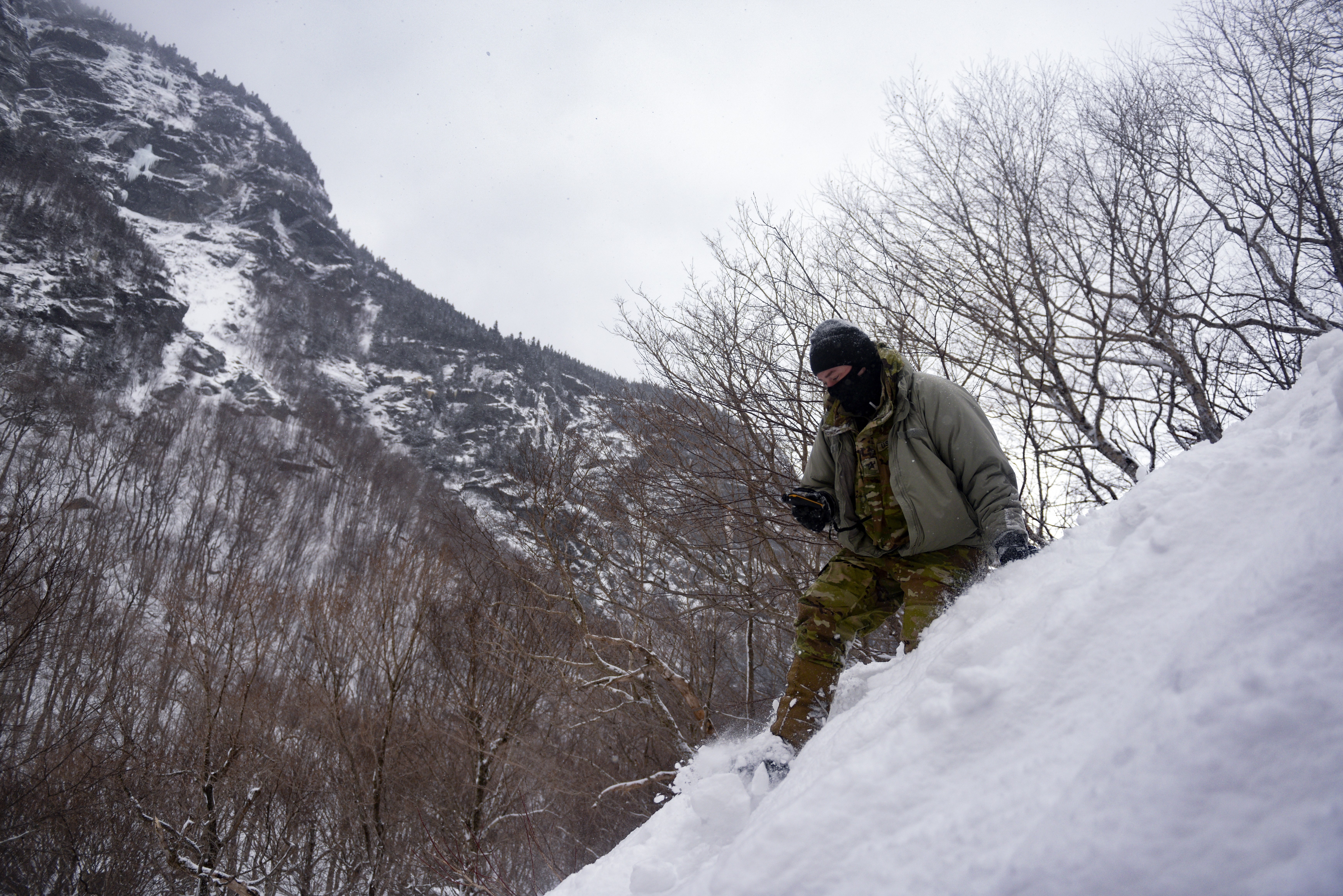
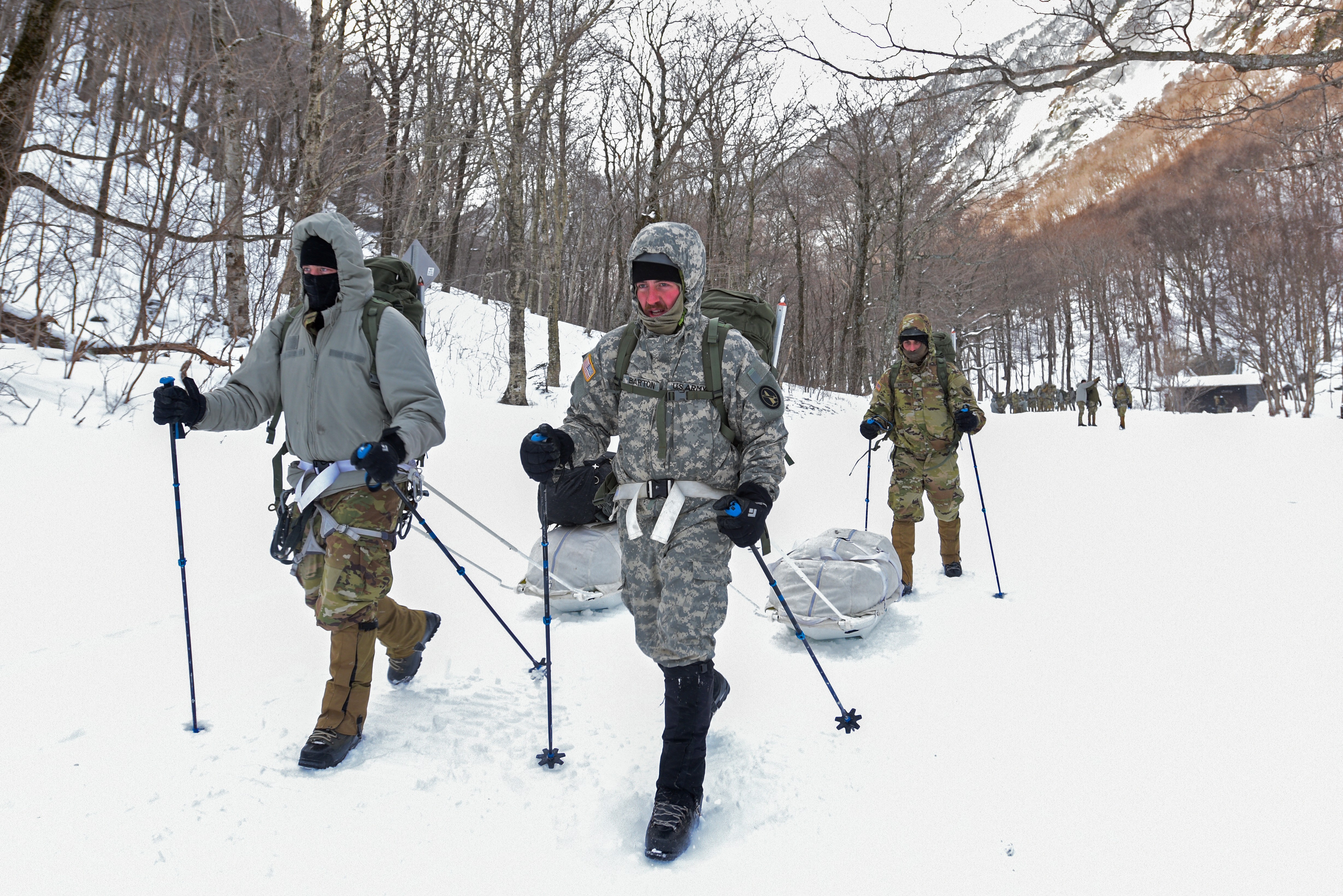
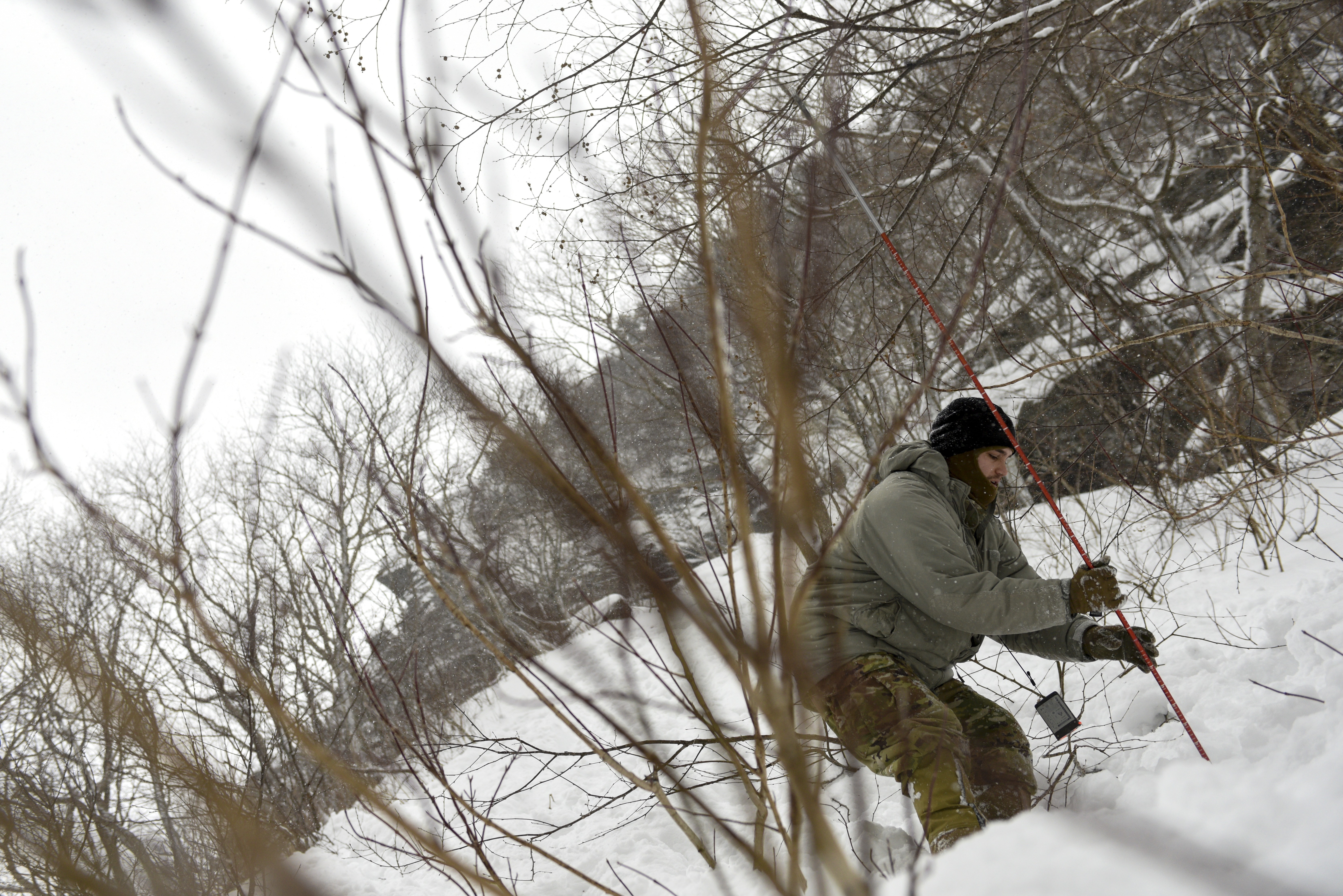
Back at the schoolhouse, they also run more technical courses year-round – like the Advanced Military Mountaineer Course, which trains service members to lead small units over difficult, hazardous or exposed mountainous terrain. Like the basic course, it is offered in summer and winter phases.
“A goal of our course is to inspire passion for the mountains. Honestly, whether we have a student for two weeks for the basic course, or whether they come back for both phases of the advanced course,” said Staff Sgt. Tim McLaughlin, an AMWS instructor. “The goal of our courses are to produce Soldiers that are passionate about the mountains.”
“They're going to take the skill sets we give them, and then they're going to go use them to learn, and they're going to continue to figure it out. They're going to go out and have adventures,” he added.
The schoolhouse also offers specialty courses for more advanced military mountaineers.
The Rough Terrain Evacuation Course focuses on medical and casualty evacuation scenarios, training students to care for and safely transport an injured person over difficult terrain in austere conditions. The Mountain Planners Course trains leaders to consider the basic skills required to plan, support and execute operations in mountainous terrain under various climates in mountainous terrain.
The Mountain Rifleman Course trains snipers and squad-designated marksmen a combination of mountain specific skills and high angle marksmanship fundamentals. The goal is improving mobility and lethality in mountainous terrain.
“The mountains really are the last front of land warfare that the U.S. Army needs to learn how to dominate if we are to be as effective as possible,” said Gagner. “I think the biggest thing that students walk away from our courses with is an understanding of the complexity of fighting in this terrain.”
Social Sharing