FORT KNOX, Kentucky --
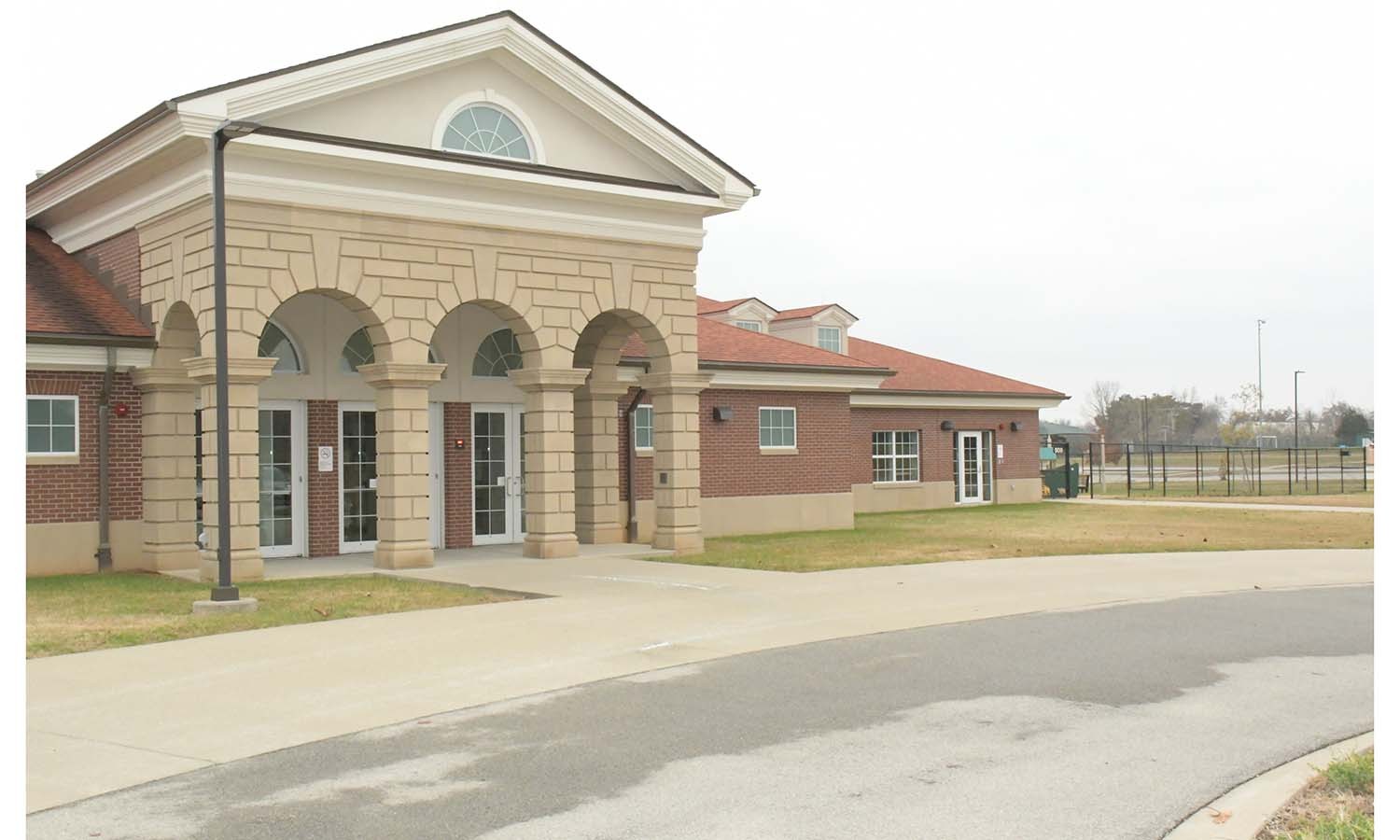
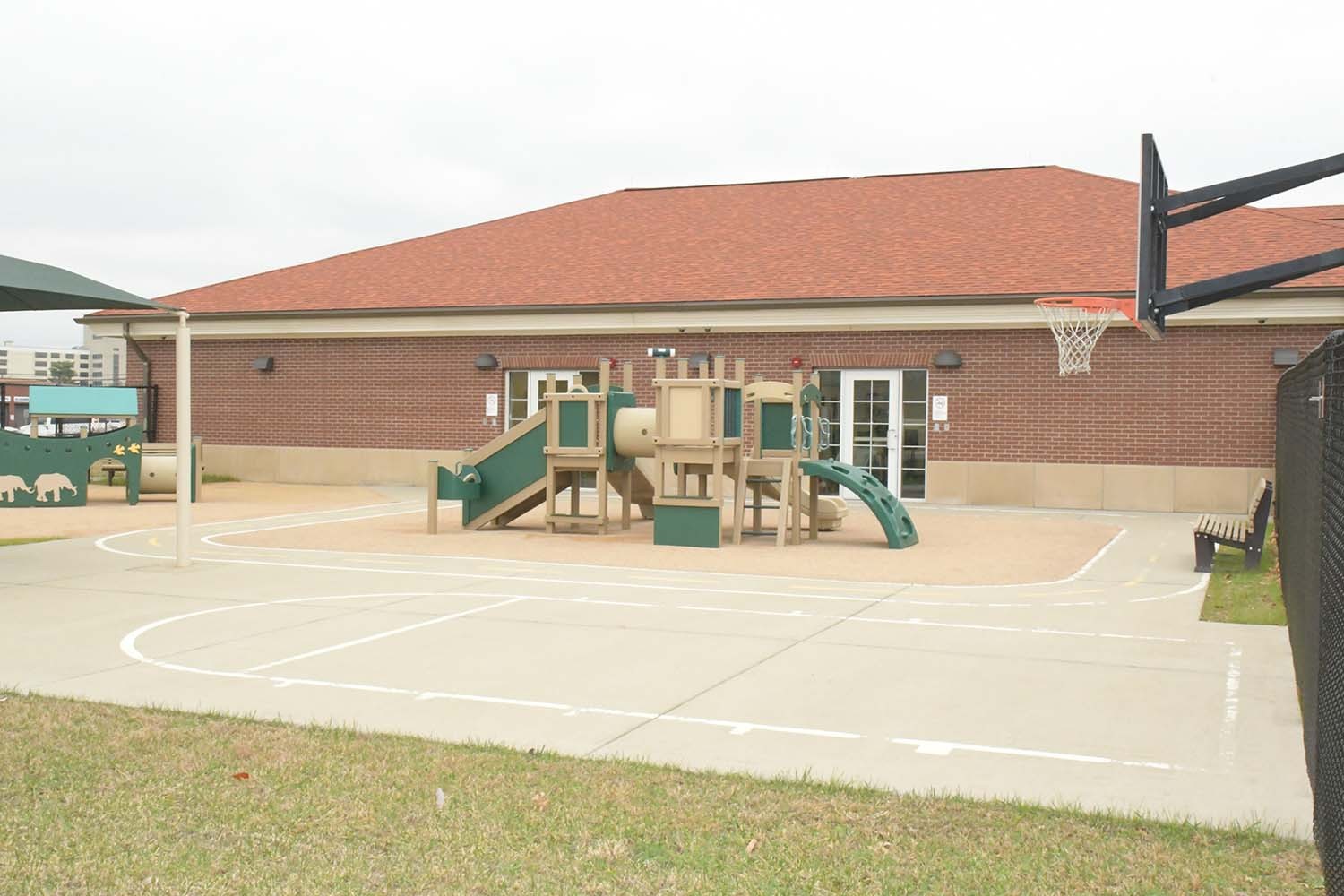
When Child and Youth Services asked where they could find more space to facilitate children 0-5 years old, an empty building across post with a child development facility and playground was the clear answer.
"After losing so many Soldiers and Families [from the 3rd Brigade Combat Team, 1st Inf. Div], the Warrior Transition Unit stood down and the building sat vacant with nobody using it," Randy Moore, director of U.S. Army Family and MWR said. "We've had a pretty sizable waiting list with a high demand for child care for our 0 to five-year olds, and we needed space."
The CYS already had buildings dedicated to childcare, but there was nowhere to go with coming demands. Work space for other administrative facets of child, youth services had to be located helter-skelter throughout Fort Knox fragmenting efforts and costing parents time and frustration with multiple stops.
"We reopened the childcare at the [Warrior Transition Unit facilities], and found that we were only using half to the facility, and the other half was mostly administrative space," Moore said. "We quickly determined that we'd [consolidate] all the CYS administrative [functions] located in various spaces -- in multiple building -- all over post.
"That will essentially make the [former] Soldier Family Assistance Center at building 500 into a CYS 'one stop shop," Moore said. "We'll have child care space, and then all the administrative spaces that parents interact with on a regular basis, and it will all be in one location."
Child Youth and School Services Division Chief Rayceil Oggs said that the facility is perfect and meets many facets of childcare.
"That was originally built for the families of the Wounded Warriors program and other support facilities were built to support Soldier families as they supported their Soldier," Oggs said. "Families that came [with] their Soldier would [visit], live and work with Soldiers. They'd bring their children in where they could be cared for. They would get most of what they needed from there."
Oggs said the transition to the new building will be largely seamless, and as yet there is no hard time to be in the new facility.
"We already have the childcare there, and other [offices] have begun to move in too," Rayceil said. "It shouldn't be a 'start and stop' transition. It will be more like a 'step-over.' We are moving but nothing will stop, we'll be able to help you from either location.
"But it will be better for parents when we're finally moved in and they can find most everything they need in the same building."
Social Sharing