


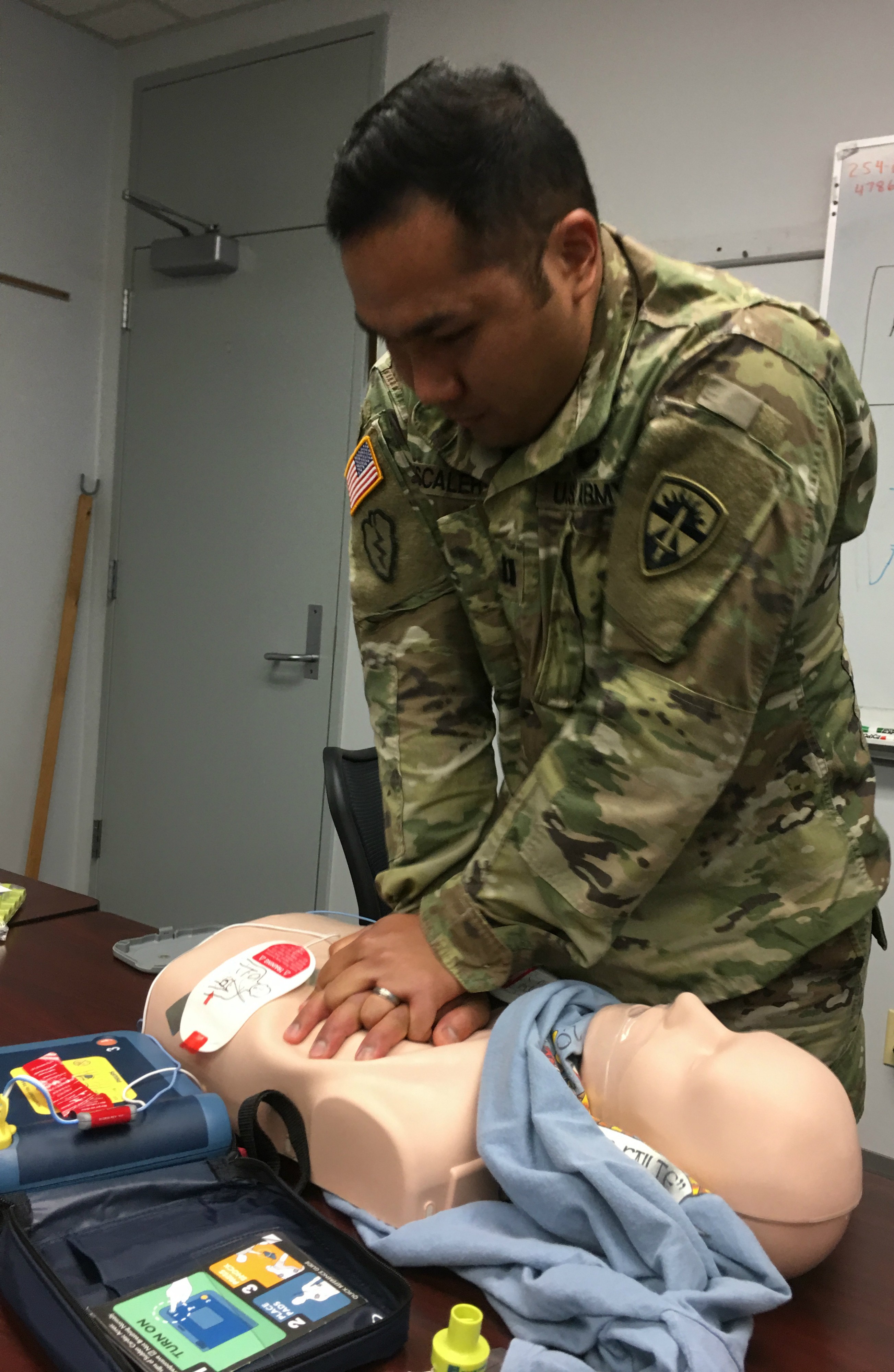
WEST FORT HOOD, Texas -- During two days last week, 12 Operational Test Command Soldiers and Army Civilians became qualified in basic life saving techniques, including American Heart Association Heartsaver certification and CPR.
"Every minute counts in places where a medical air or ground evacuation of a patient would not happen probably until hours later," said Ernesto Chee-Chong, OTC's occupational health and safety specialist.
Training provided adult, children and infant CPR.
Chee-Chong tells a story -- when years ago -- an OTC Civilian employee experienced an issue where emergency medical aid was applied.
"In our OTC headquarters here at West Fort Hood, an older employee experienced a condition of the heart, and a coworker who was trained was quickly able to respond with CPR," he said.
"The coworker was able stabilize the individual until he was evacuated and treated by medical personnel."
So, after CPR, Chee-Chong gave students hands-on training on the Automatic External Defibrillator (AED).
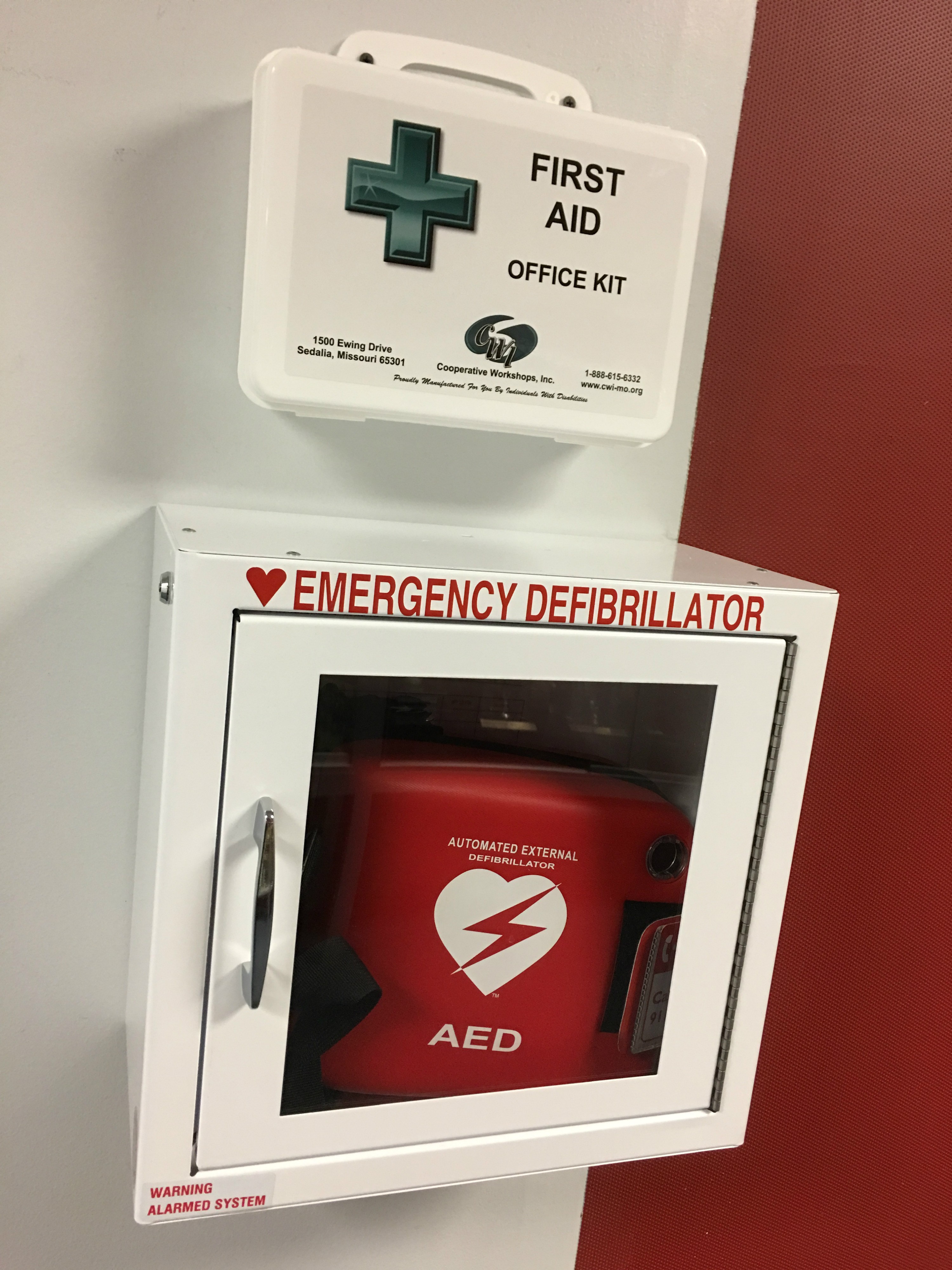
In most OTC buildings, AEDs are located near well-traveled common areas, and cannot go unnoticed because of eye-catching red "Emergency Defibrillator" labeling, and first aid kits mounted above.
If initial CPR does not bring about a patient's pulse, AEDs can be used by anyone. Once employed and turned on, the units provide voice commands that guide the user through operation.
"We can't just be bystanders and onlookers in an emergency," said Chee-Chong, one of Fort Hood's few certified Basic Life Saver instructors.
"We have to react. We have to know what to do -- even if it's simply using your telephone to call 9-1-1 and telling the operator the location and exactly what the responders are going to have to deal with."
One young Army captain who last qualified as a Combat Life Saver during 2013, and last had basic CPR training about 10 years ago, said deployments and schools have kept him away from more training until now.
"If you're not practicing and if you're not keeping your head in the books, and talking about it and doing hands-on training, then it is something that goes away," said Capt. John A. Escalera, an OTC Aviation test officer.
Escalera thought about his growing family during the training.
"My wife is giving birth in July," he said. "It makes me more confident that I'm able to use these skills out in the community, or at home if faced with an emergency."
"Training raises the awareness that we all need to be vigilant," said Chee-Chong, "Vigilant, in that a medical emergency can arise at any time."
-- --
Operational Test Command's mission is about making sure that systems developed are effective in a Soldier's hands and suitable for the environments in which Soldiers train and fight. Test units and their Soldiers offer their feedback, which influences the future by offering input to improve upon existing and future systems that Soldiers will ultimately use to train and fight with.
Social Sharing