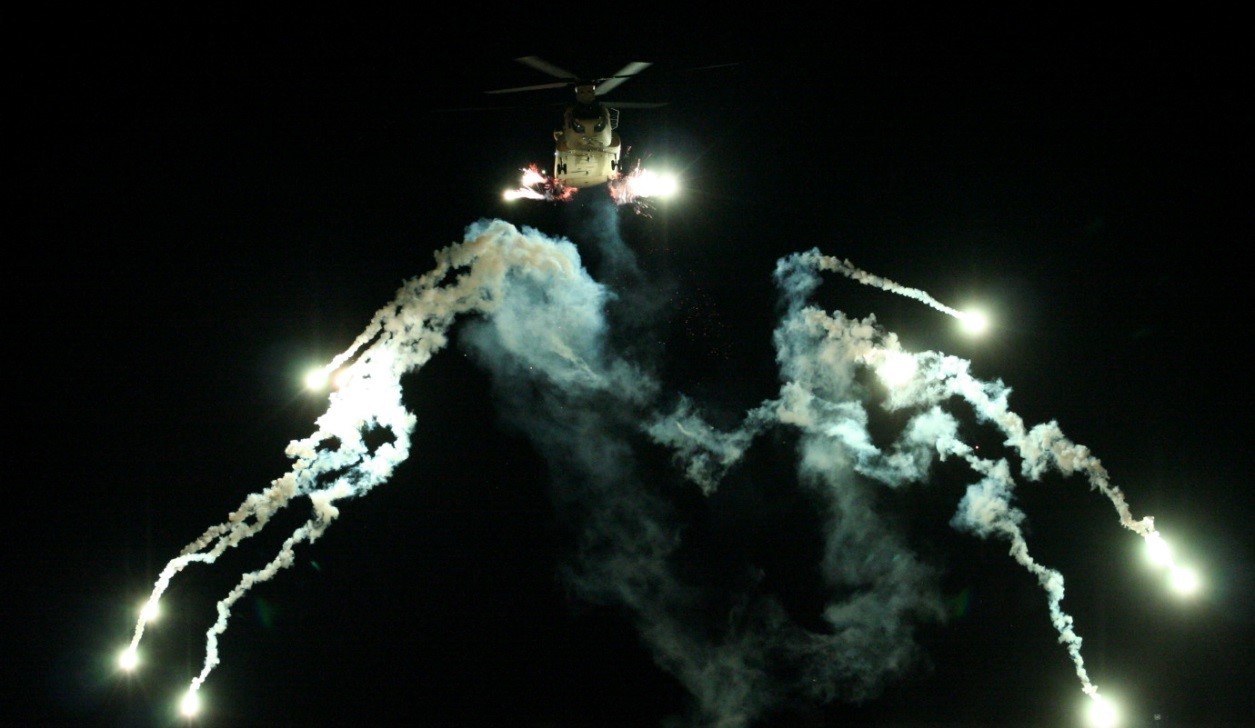
With a mission that includes testing missiles and aircraft, making safety a priority is a must. The U.S. Army Redstone Test Center, or RTC, does just that.
In the last six years at RTC, the level of personnel and safety programs has expanded dramatically. What started as a two-person shop, now has over 50 team members.
"Our mission has expanded, therefore, safety emphasis has expanded," said Mike McNeil, RTC's Chief of Safety. "Nothing is more important than leadership buy in. At RTC safety starts at the top and we have been empowered at all levels to be more effective."
McNeil's position directly reports to RTC's Commander, Col. John Jones. Each directorate has its own safety manager, and each division has its own safety officer.
"When you have that many team members tasked to focus on safety on a day-to-day basis, it allows the shift from reactive or lagging indicators to proactive or leading indicators," McNeil said. "We have created a strong line of communication for better reporting of both safety issues and potential safety issues."
The center has instituted an internal, online mechanism for reporting and tracking incidents and near misses. This simple change has created a clear channel and method for safety communication center-wide.
McNeil states the majority of the center's incidents are similar to other organizations -- slips, trips and falls -- and that they perform amazingly well when it comes to their high-risk mission.
"When you are firing missiles and have aircraft in the air every day, a robust safety program is critical. I'm happy to say that RTC has one," McNeil said. "We perform risk assessments on the procedures associated with every mission. As an additional control, a separate assessment is done for each series of tests that looks at any new or missed risk factors. Nothing happens at the working level that hasn't been assessed at the command level."
Social Sharing