JOINT BASE LEWIS-MCCHORD, Wash. - The I Corps commanding general here believes warrant officers are the most influential rank when it comes to readiness.
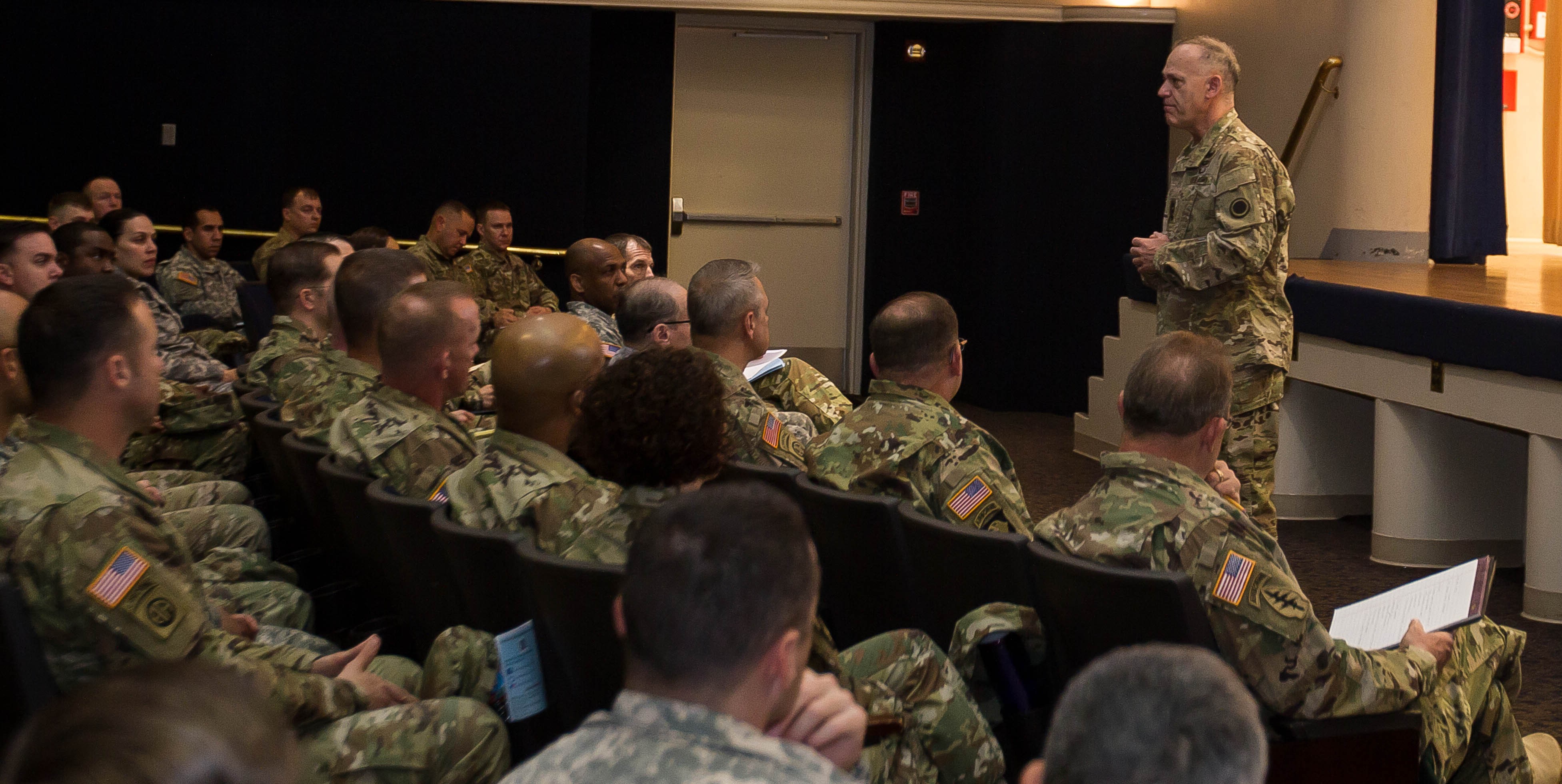
"As the [chief of staff of the Army] focuses on readiness, I'd say the warrant officers of the U.S. Army are the most influential rank we have," said Lt. Gen. Stephen R. Lanza, speaking to a group of warrant officers assigned to I Corps, May 10.
Readiness is the Army's way to describe all it does, day-to-day, to ensure its ability to successfully deploy Soldiers and equipment around the world to meet the nation's strategic goals.
Lanza believes commanders can use the expertise warrant officers bring to affect change in specific programs that generate readiness, such as maintenance, to ensure the Army can continue to meet its obligations.
"I can change [a lot] with your expertise, but I need you to [continue leading] from the front," he said to the group.
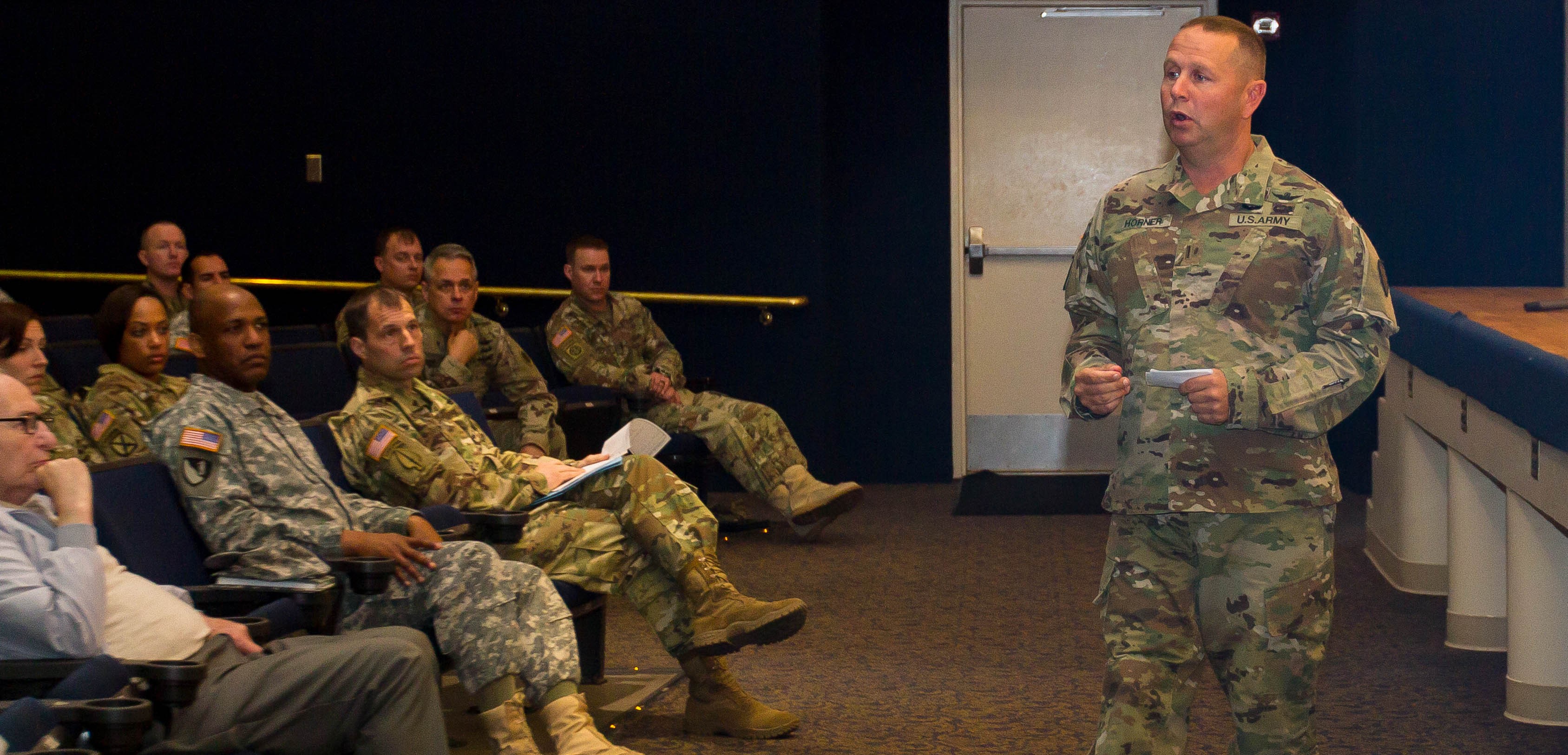
The warrants were gathered at JBLM to discuss leadership and develop ways to mentor younger warrants coming into the branch.
In his opening remarks, Lanza challenged all of them to use the time to, "reflect on what you can do for the Army and the kind of warrant officer corps that the [Army] needs you to be."
I Corps is headquartered at Joint Base Lewis-McChord, Washington. It currently stands as the Army's only regionally aligned Corps, focusing on the Pacific.
Social Sharing