Fort Huachuca, Arizona -- Pet owners whose dogs or cats have not had a rabies vaccine should schedule a vet appointment and have animals vaccinated as soon as possible.
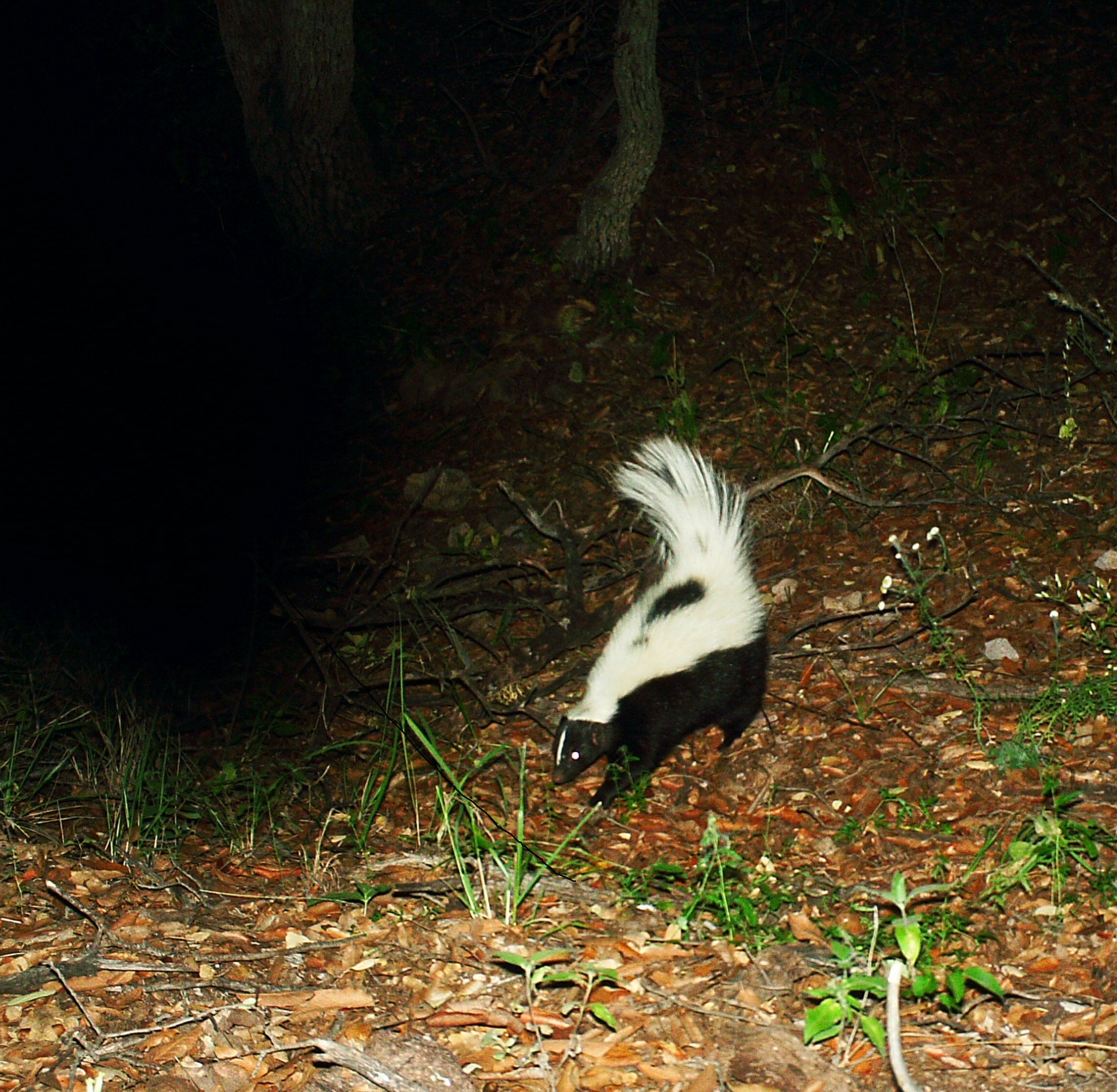
The U.S. Department of Agriculture announced early this month that two more skunks submitted for testing from Cochise County have returned positive for the rabies virus. This makes five that tested positive within a 90-day period.
One of the two skunks was found in Sierra Vista. The other was removed from Fort Huachuca.
The installation has experienced two rabid skunks in recent months, leading to an increased awareness of rabies on post. While Arizona's skunks and bats have the highest incidence, rabies also occurs in foxes and coyotes.
Rabies is a deadly disease caused by a virus that attacks the nervous system. The virus is secreted in saliva and is usually transmitted to people and animals by a bite from an infected animal. Less commonly, rabies can be transmitted when saliva from a rabid animal comes in contact with an open cut on the skin or the eyes, nose, or mouth of a person or animal. Once the outward signs of the disease appear, rabies is nearly always fatal, according to the Centers for Disease Control.
Once the rabies virus enters the body, it travels along the nerves to the brain. Dogs, cats, and other animals with rabies may show a variety of signs, including fearfulness, aggression, excessive drooling, difficulty swallowing, staggering and seizures. In addition to signs seen in dogs and cats, rabid horses, cattle, sheep and goats may exhibit depression, self-mutilation, or increased sensitivity to light.
Rabid wild animals will generally not attack people, but may display unusual behavior. For example, an animal usually only seen at night may be seen in the daytime, walking in a staggered state, unable to fully control its movements. If an animal appears to be rabid, do not attempt to capture it. Instead, call the Environmental and Natural Resources Division or the Military Police.
According to Spc. Jazzmine Hubbard, senior technician, Fort Huachuca Veterinary Treatment Facility, dogs and cats should have their first rabies shots when they are 16 weeks old. It is good for a year. Just before the one-year mark, pets should get a booster shot. This is good for a three-year period.
"The rabies vaccine helps maintain public health; it protects pets and owners from contracting rabies," she said.
Ensure family pets are properly vaccinated against rabies. Pets living in on-post housing are required to be registered with the Veterinary Treatment Facility, Register cats and dogs by stopping by with vaccination records and scheduling an appointment. Hubbard said that if a person calls in the morning, it is possible pets can get treated that afternoon or the following day.
The cost is $35 for an exam and $10 for the vaccination, Hubbard said. An exam is necessary to ensure the animal is healthy in order to receive the vaccine.
The vet clinic is open from 8 a.m. to noon and 1 to 4 p.m. Monday through Friday. Call 520.533.2767 to schedule an appointment.
Contact the proper authorities if a skunk, bat, fox, coyote or other wildlife are spotted within the housing or business areas of the installation. Contact the Environmental and Natural Resources Division at 520.678.8112 for general questions or removal of nuisance wildlife in the housing or business areas of the installation. Call the Military Police Desk at 520.533.3000 for emergencies.
"Since the weather has warmed up, more people are spending time outdoors. It's possible there will be an increase in wildlife encounters," Hubbard states. "Leave wildlife alone."
Social Sharing