No woman should die of cervical cancer according to the Centers for Disease Control and Prevention. Cervical cancer, which is caused by the human papillomavirus or HPV, remains the most preventable cancer in women who have regular screening tests to include yearly well woman exams and Pap tests, said Ramona Derousseau, IACH Well Woman Clinic nurse practitioner.
The Pap test looks for precancers, which are cell changes on the cervix that might become cancerous if not treated. Women should get Pap tests regularly starting at age 21. Routine screening is recommended every three years for women 21-65 years who have a normal Pap test with a negative HPV test according to the CDC. Women who are 30 years and older with an unclear Pap test are also tested for HPV.
Women of all ages should also have yearly well woman exams for their reproductive health care needs, Derousseau said.
"I recommend all women have yearly well woman exams because a Pap test doesn't tell us if the ovaries are normal size or if there are any changes to the uterus," she said.
The well woman exam includes a breast and pelvic examination, a Pap test if needed, a review of labs and medications, a review of family history and testing for sexually transmitted diseases.
If a Pap test comes back abnormal or if a woman is diagnosed positive for HPV, it does not mean cervical cancer is present, according to the CDC. HPV can cause normal cells on the cervix to turn
abnormal. Over many years, abnormal cells can turn into cancer if they are not found or treated.
"I tell women it only takes one encounter to get HPV and once you are exposed it stays in your body. Your body takes up to two years or more to suppress the virus. We monitor it to make sure it stays suppressed," Derousseau said.
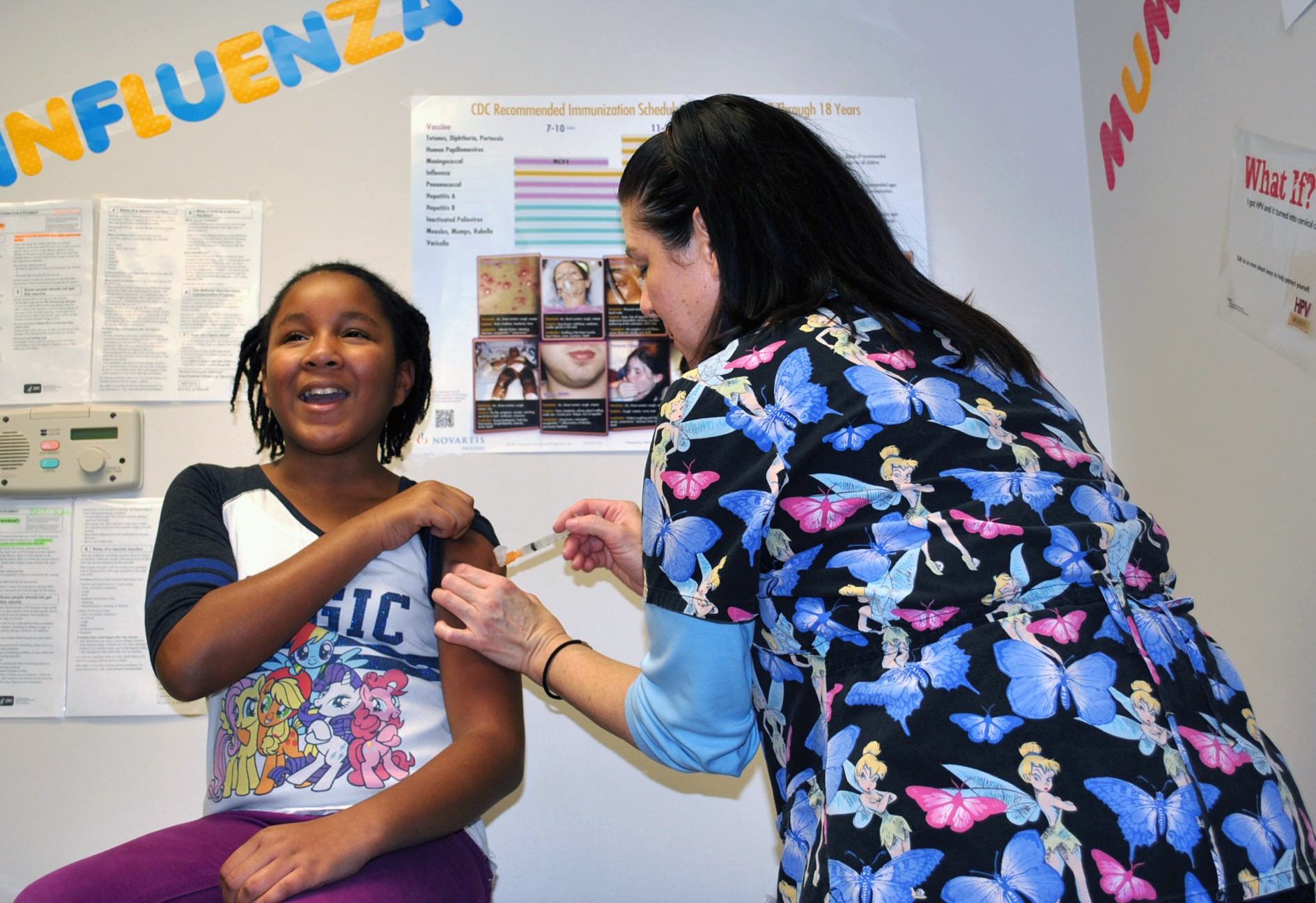
Young adults and youth may also protect themselves from HPV related cancers with the HPV vaccine.
The CDC recommends youth begin all three doses of the HPV vaccine at age 11 or 12, the vaccine is most effective when all does are received before a person has their first sexual encounter.
Youth and young adults up to age 26 are encouraged to get vaccinated.
TRICARE coverage of the HPV vaccine starts at age 9 through 26. For more information on the HPV vaccine, contact your medical team through Secure Messaging Services at https://app.relayhealth.com/.
To schedule a well woman exam or Pap test, visit www.tricareonline.com, or call the appointment line at 785-239-DOCS (3627).
Social Sharing