REDSTONE ARSENAL, Ala. (Jan. 20, 2015) --- Three teams of engineers from the Aviation and Missile Research, Development and Engineering Center earned 2013 Army Research and Development Engineering Awards.
RDA awards are presented to individuals or teams of eligible scientists, engineers, and technicians whose contributions were responsible for a significant scientific or engineering event.
The AMRDEC recipients and their projects are:
Un-cooled Infrared Technology in A Man-Portable Fire and Forget Missile Application. A team working in the Infrared and Optical Technology Area within the Weapons Development and Integration Directorate at Redstone Arsenal, Ala. advanced the state-of-the-art of extended range fire and forget missile seeker technology with the in-house development and demonstration of a new seeker design. The design permits an increase of 40 percent in engagement range capability for manportable missiles. The new seekers use off-the- shelf technology, are less expensive, and provide Warfighters with increased standoff range. A patent is pending on the government design. Team members include Kyle Bryant, Christopher Dobbins, Caleb Waddle, and Sam Wood.
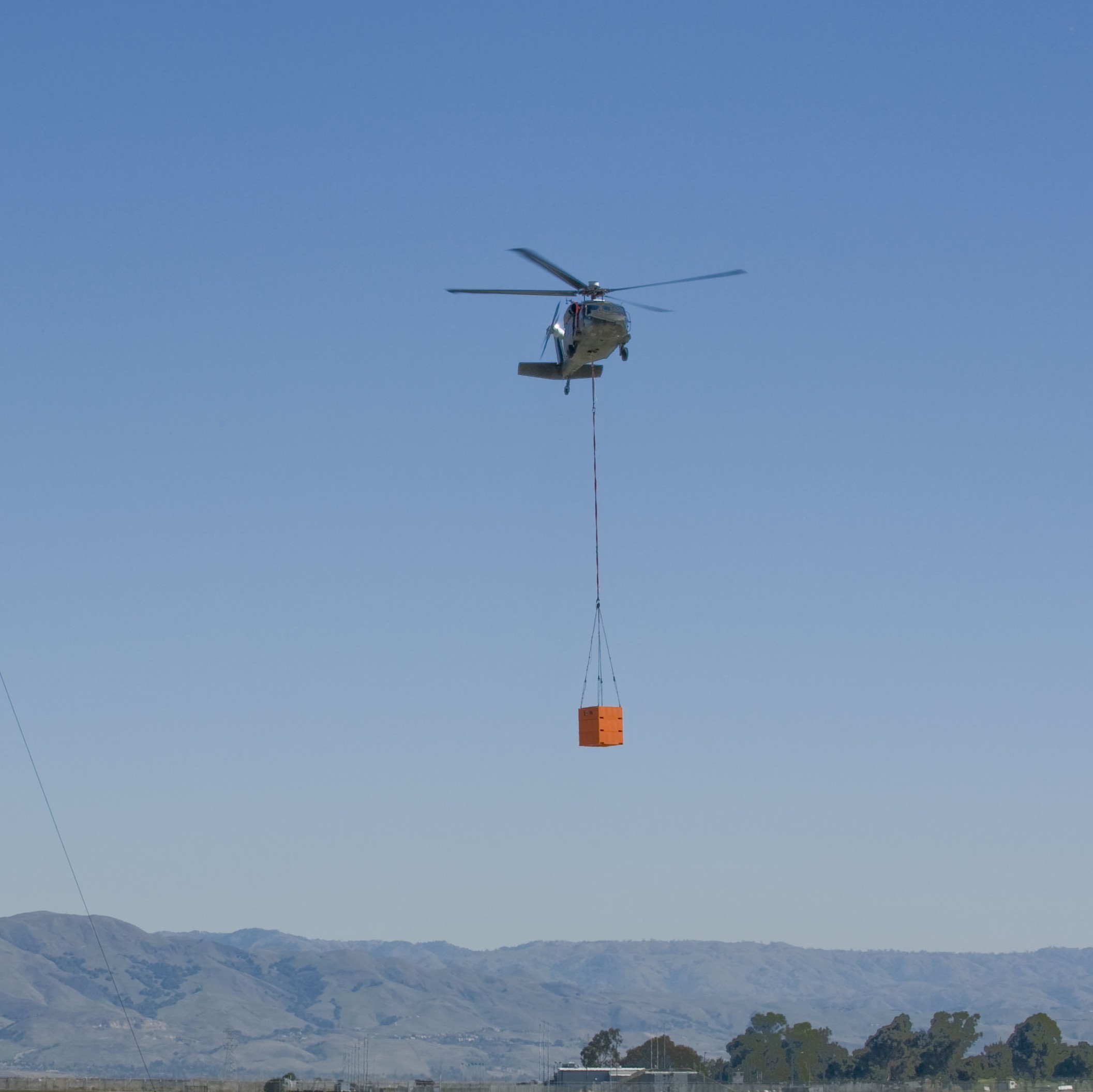
Development and Test of Cable Angle Feedback Control Systems it Improve Handling Qualities for Helicopters with Slung Loads. Christina Ivler and Lt. Col. Carl Ott, of the Aviation Development Directorate, Aeroflight Dynamics Directorate at Moffett Field, Calif. developed a novel aircraft flight control system that uses automatic switching between the aircraft and the pilot when conducting sling load operations.This system significantly improved aircraft handling qualities and reduced pilot workload, as well as reducing critical exposure time to hostile threats.
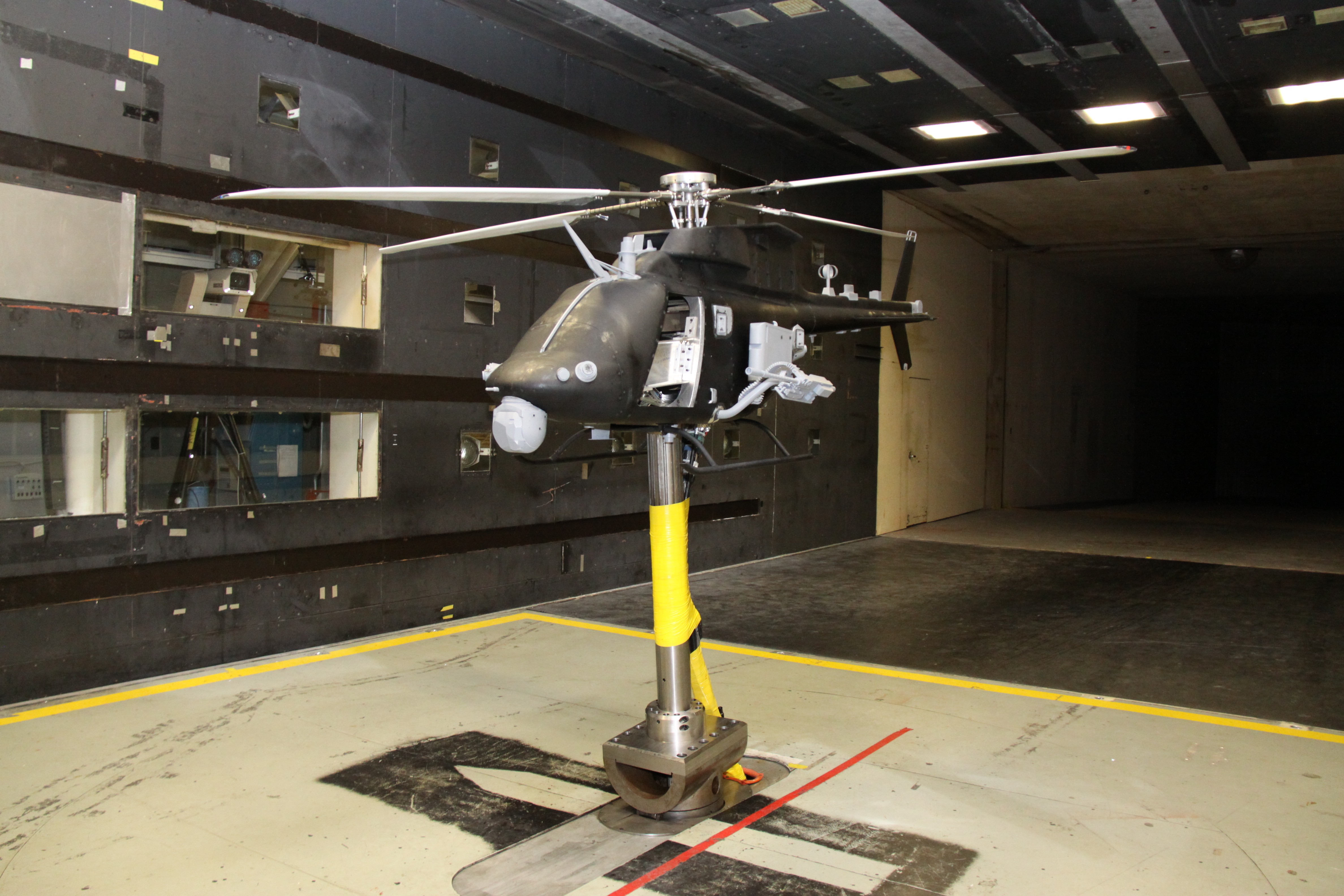
Wind Tunnel Testing and Performance Analysis for the OH 58F Kiowa Warrior. A team of Aerospace Engineers with the Aviation Development Directorate, Aeroflight Dynamics Directorate at Moffett Field, Calif. conducted a wind tunnel test which provided the first ever test of a scale model aircraft fuselage with all of the mission equipment, weapons, and countermeasures installed on the test aircraft. The team completed numerous wind tunnel tests over 13 weeks, which created significant data required for the refinement of the Armed Scout helicopter and also provided a new theoretical basis for the development of future aircraft. Team members were: Preston Martin, Philip Tanner, Oliver Wong, Brendon Malovrh, and Austin Overmeyer.
"These awards reinforce the importance of the overall AMRDEC mission in adding value to the current and future battle-space. Aviation and missile technologies and systems will be great enablers for a more flexible, expeditionary, and precise lethality effects engagement," said AMRDEC Director James Lackey. "Our AMRDEC engineers represent a group of some of the brightest, energetic minds translating the art of the possible into realistic state of the art. I would like to extend my personal congratulations to all who are and have been recognized for this highly visible and noteworthy award."
Deputy Assistant Secretary of the Army for Research and Technology, Mary J. Miller in a November, 2014 memorandum announcing the winners, said that the 121 RDA Award recipients represent just over one percent of the eligible Army science and engineering personnel. "These recipients reflect the great diversity of talent and expertise within the Army laboratory system that supports the future capabilities of our Soldiers," she said. "Their pioneering work and dedication in basic research and technology development promise to improve the Army's technical capabilities and enhance our national defense."
---
AMRDEC is part of the U.S. Army Research, Development and Engineering Command, which has the mission to develop technology and engineering solutions for America's Soldiers. AMRDEC employs nearly 11,000 civilian scientists, researchers, and engineers.
RDECOM is a major subordinate command of the U.S. Army Materiel Command. AMC is the Army's premier provider of materiel readiness -- technology, acquisition support, materiel development, logistics power projection, and sustainment -- to the total force, across the spectrum of joint military operations. If a Soldier shoots it, drives it, flies it, wears it, eats it or communicates with it, AMC provides it.
Social Sharing