REDSTONE ARSENAL, Al. (Oct. 16, 2104) -- Liaison engineers from the Aviation and Missile Research Development and Engineering Center play a vital role in providing world class engineering and technical support to troops around the world, resulting in increased readiness and a cost avoidance of more than $200 million during the last five years.
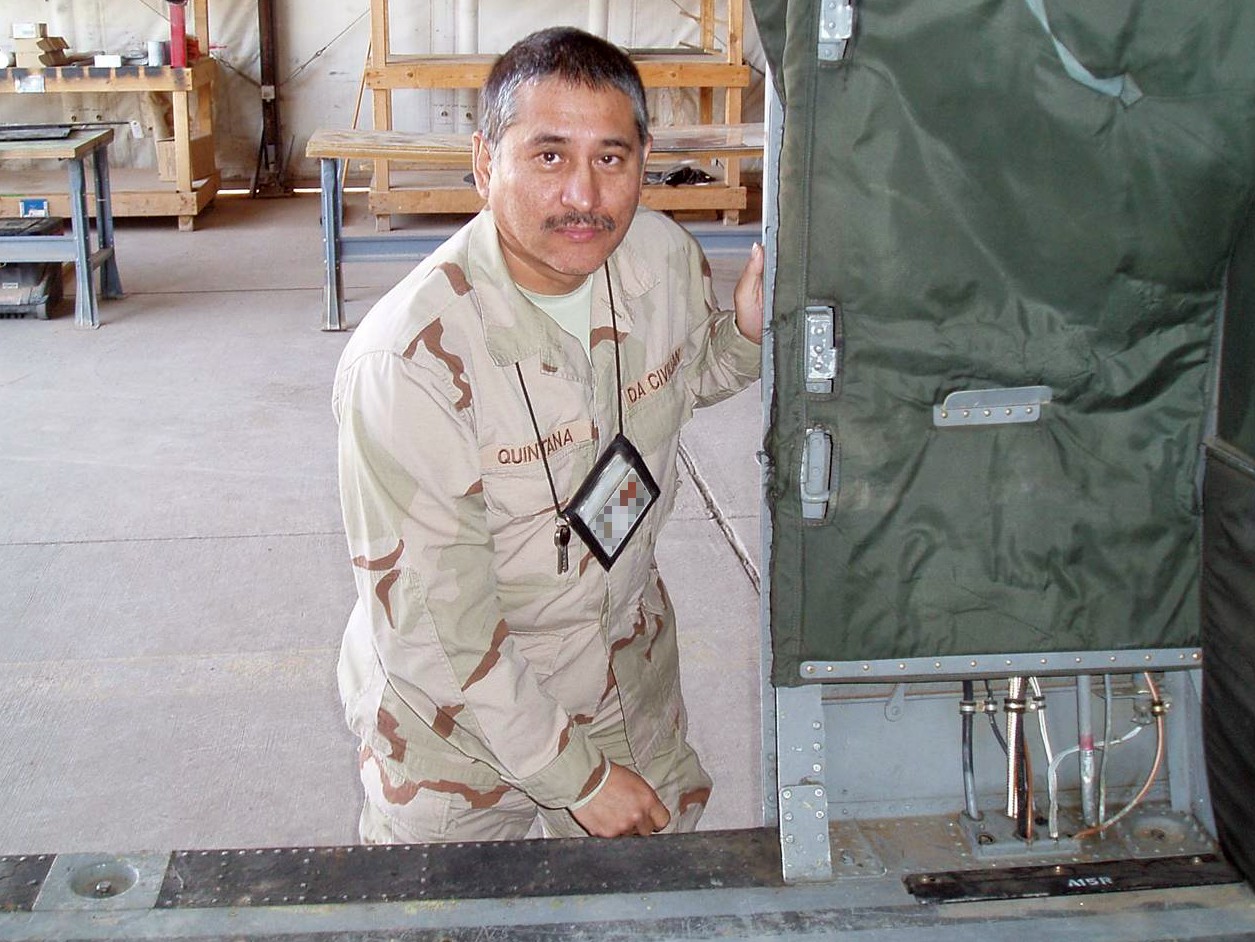
Unlike the majority of engineers from AMRDEC's Aviation Engineering Directorate who are employed at Redstone Arsenal and Corpus Christi Army Depot, liaison engineers are embedded with Army units in the field. Both inside and outside the continental United States, liaison engineers provide direct engineering and technical interface support. They have been the Soldier's direct interface for support in the field since the Vietnam War. They address acquisition, maintenance and repair concerns so Soldiers can focus on the mission. By being on-site with the unit, liaison engineers establish relationships and gain firsthand knowledge of facilities, training, equipment and challenges.
Clarence Hitchings, AED Liaison Engineering Branch chief, said liaison engineers significantly impact the airworthiness and safety of Army rotary wing aircraft by identifying and reporting safety issues, and providing AED recommended solutions to Army aircraft problems.
While deployed outside the continental U.S. on joint operations last month, technicians from a combat aviation brigade discovered that an Apache helicopter had sustained a break on a lower laminate of the Main Rotor Head strap pack. Repair was limited due to lack of on-site maintenance resources and the damage beyond published limits. Following evaluation and research, the supporting liaison engineer, in coordination with Boeing Engineering, issued a maintenance engineering call for a temporary repair to allow aircraft to continue mission support and return to home station. The repair avoided excessive aircraft down time and contributed to successful mission completion.
Hitchings said this event exemplifies that liaison engineers have significantly increased the capability of Army aviation maintenance units through the real-time hands-on engineering solutions via maintenance engineering calls and recommending and initiating standard repair authorizations to the units. As a result of working with the liaison engineers and following their guidance, units have developed the additional skills, tooling and training to perform these repairs resulting in significant cost avoidances.
Liaison engineers also develop and authorize non-standard repairs, address field exigencies, authorize limited depot maintenance, and evaluate crash and battle damaged aircraft. They are empowered to make airworthiness decisions and provide AED rationale for maintenance engineering actions.
Nineteen liaison engineers are co-located at 10 locations, including New York, North Carolina, Kentucky, California, Korea and Germany. Liaison engineers have been deployed to active theaters of operation in Iraq, Afghanistan and Kuwait.
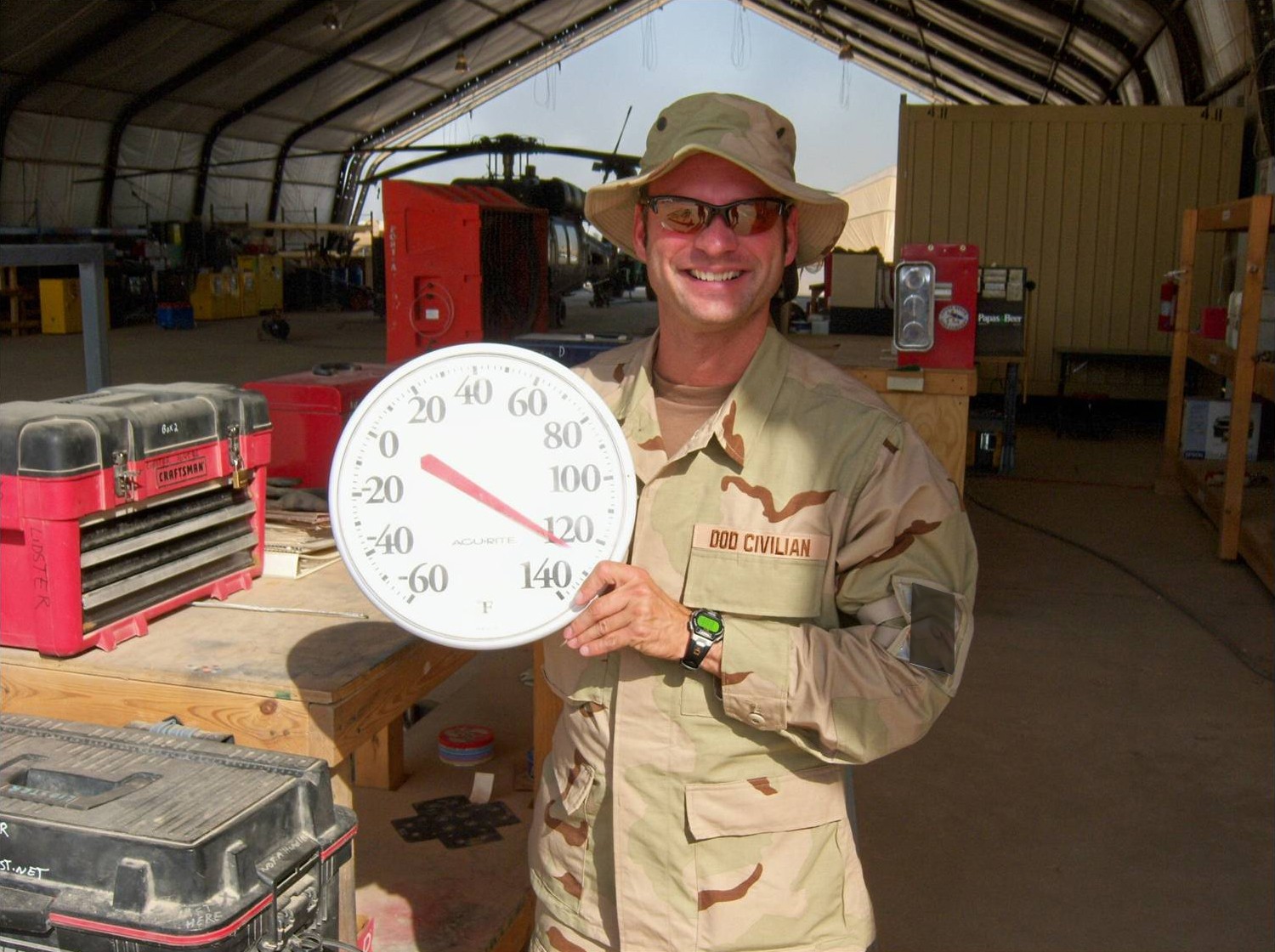
Like most workers, liaison engineers have their challenges. Liaison engineers who are deployed to theaters of operation work 11 hours a day and seven days a week, in austere conditions, ensuring the war fighter has the necessary engineering support to meet mission requirements. Ninety-five percent of the maintenance engineering calls in theater are answered in one day, with more complex issues normally being completed in 2 to 4 days.
"A big reason for the success of the Liaison Engineering Program is the relationships our LEs have with their customers," Hitchings said. "Through these relationships our customers have come to trust their LE to not only provide them with solid airworthiness decisions, but to also help them meet their mission goals. The LE is right there in the trenches with their customer day in and day out, and they appreciate that."
---
The Aviation and Missile Research, Development and Engineering Center is part of the U.S. Army Research, Development and Engineering Command, which has the mission to develop technology and engineering solutions for America's Soldiers.
RDECOM is a major subordinate command of the U.S. Army Materiel Command. AMC is the Army's premier provider of materiel readiness -- technology, acquisition support, materiel development, logistics power projection, and sustainment -- to the total force, across the spectrum of joint military operations. If a Soldier shoots it, drives it, flies it, wears it, eats it or communicates with it, AMC provides it.
Social Sharing