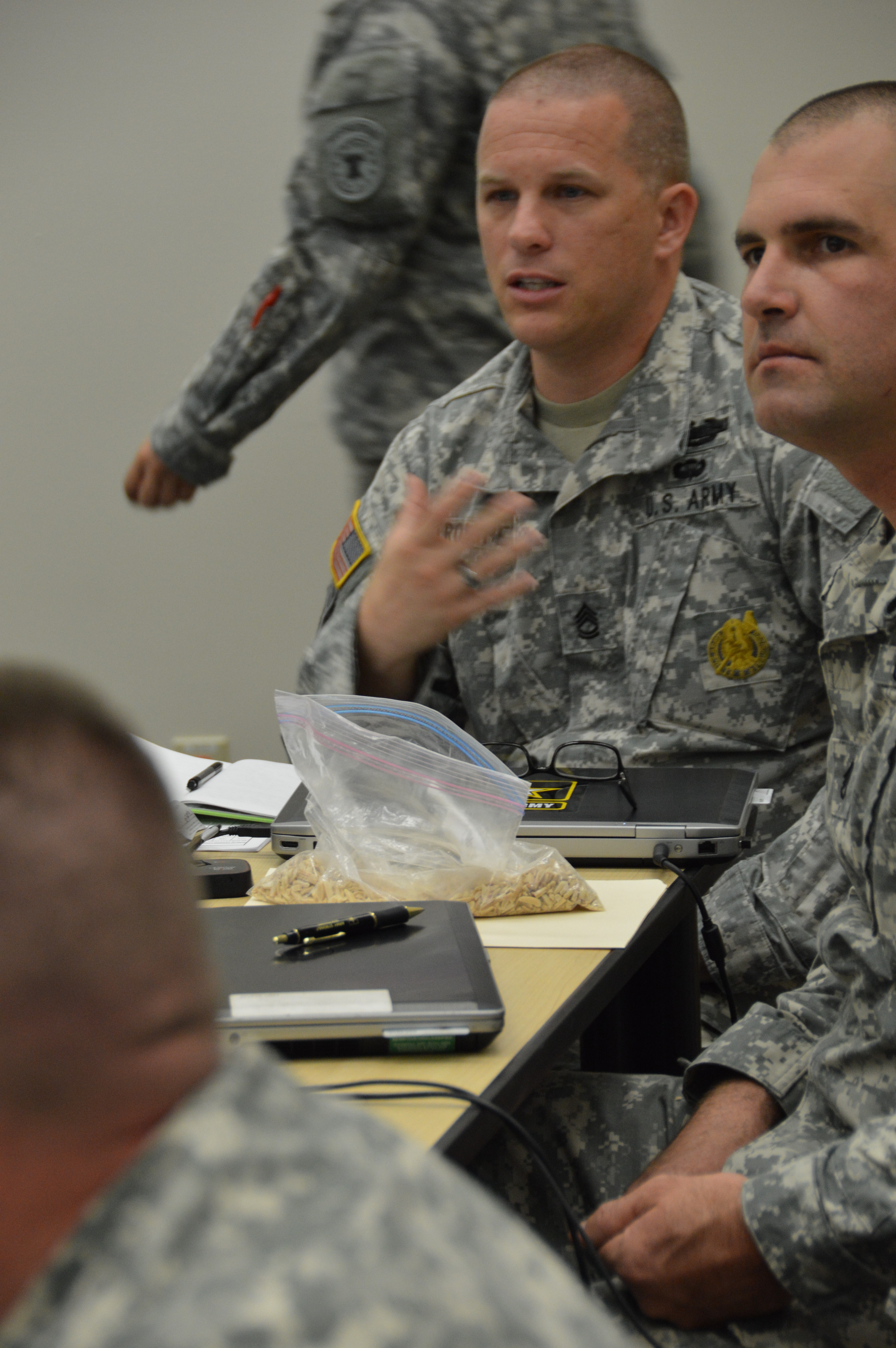
SEATTLE ARMY RECRUITING BATTALION, Wash. -- A few dozen center commanders, first sergeants and company commanders crowded around tables and listened to another block of instruction during the Seattle Army Recruiting Battalion's Trailblazer Leadership Development Briefs Aug. 26. This particular class was about resiliency.
"It's resiliency, so it's always dry," contemplated Sgt. 1st Class Nicholas Cochrane, Spokane North Army Career Center commander, before the class. Cochrane was still optimistic and curious about the training because someone who studies, lives and believes in resiliency was teaching the class, he said.
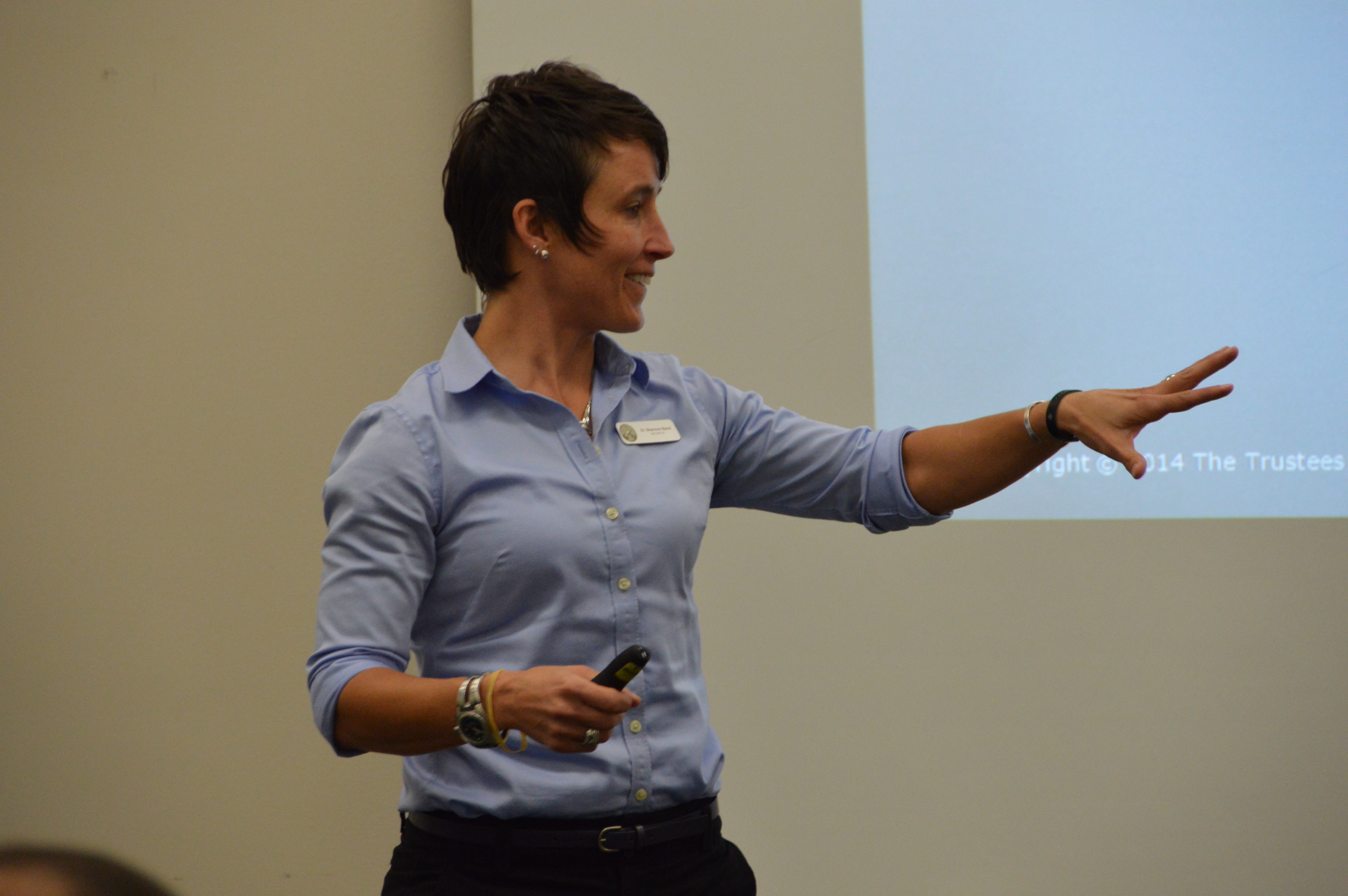
Dr. Shannon Baird, Comprehensive Soldier and Family Fitness master resilience trainer-performance expert out of Joint Base Lewis-McChord, Wash., used humor and an interactive discussion to make the training dynamic, yet informative.
I wanted the attendees to have tools to teach to the Future Soldiers, said Baird. "The focus on resilience and performance can very much get after keeping those future soldiers and not losing them," she said. "These are life skills that can be used, not just in one realm like Army Physical Fitness Test or Basic Rifle Marksmanship, but across different life events."
Beyond further engendering commitment to service, resiliency training can benefit Future Soldiers when they attend Basic Combat Training, according to research conducted at Fort Benning, Ga. that Baird has studied. That data implies performance enhancement skills reduced the amount of basic trainees who refused to train and increased physical training and marksmanship scores.
Both Cochrane and Baird do not expect Future Soldier attrition to drop after one resiliency class taught to center commanders and company leadership teams. Continual training and implementation will be needed.
Resiliency training is already a requirement for Future Soldiers, said Cochrane. "I plan to use the training assets from Joint Base Lewis-McChord to come out for my station if not the company," he said. Additionally, I am incorporating resiliency into a fluid, daily process and not only monthly Power Point presentations, Cochrane added.
But making resiliency part of a daily process may be difficult.
"Resilience training is useful and it's powerful, but how can we operationalize that on a regular basis and then use that in a phone call to a future soldier or standing next to a future soldier who is doing really hard Physical Training," asked Baird. "What does that actually look like in the dirt, on the go?"
Cochrane has an idea of where to start for the Future Soldiers from his center.
"Giving our Future Soldiers tools to deal with adversity and not just telling them to 'suck it up' will better prepare them for being a Soldier," Cochrane said. "My intent is to get my recruiters thinking on a resiliency basis when interacting with the future soldiers," he continued. "Those conversations and classes foster grounds for a stronger relationship with the non-commissioned officers and the Future Soldiers being mentored."
Social Sharing