Editor's note: In honor of Anniston Army Depot's 75th anniversary, TRACKS is looking back at the installation's changes through the eyes of those who were present.
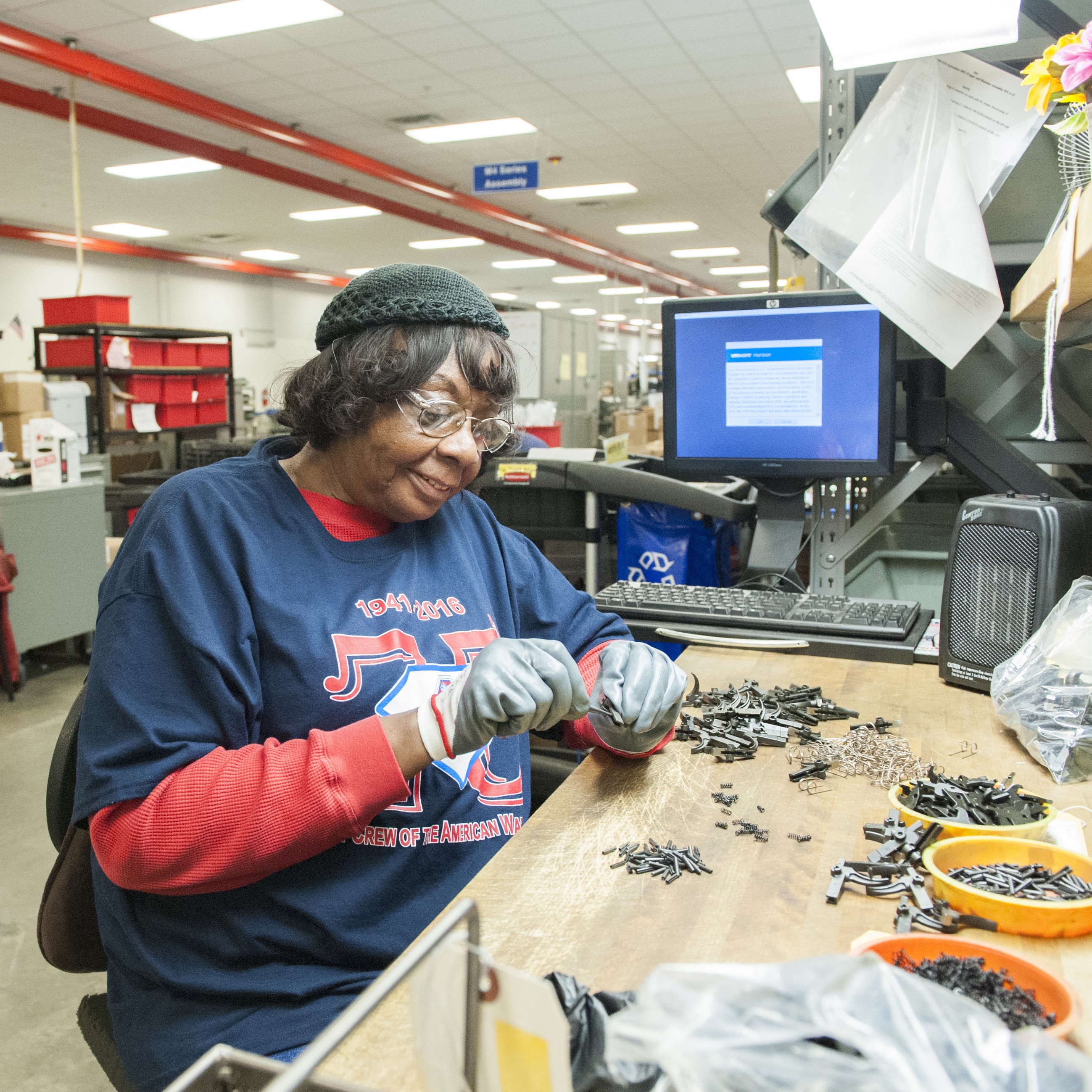
ANNISTON ARMY DEPOT, Ala. -- When Linda Allen began her career at Anniston Army Depot, her annual salary was $5,017.
It was February 1974 and Allen, a GS-1 trainee supply clerk for the installation's ammunition organization, was the first black female to work in the depot's ammunition limited area.
Allen, who grew up in Calhoun County, Ala., where the depot is located, is one of numerous employees who watched the depot's infrastructure and mission change throughout the years.
Throughout her more than 41 years on the depot, Allen has worked in ammunition; the eye clinic; Small Arms Repair Facility; and the Anniston Chemical Activity, which handled the chemical storage and demilitarization mission on the installation.
She deployed overseas in 2008 to support small arms repair -- supplying parts and inspecting the completed weapons.
"Every job I've had, I loved," said Allen. "I've always seen the depot as one family with one goal."
Her time overseas, working closely with the men and women who relied on weapons ANAD rebuilds, allowed her to see that goal firsthand. It reinforced her desire to always perform her job to her best ability.
"I'm dedicated and I take a lot of pride in my work," said Allen. "The real reason I'm here is to support the soldiers."
She has seen numerous changes in the communities surrounding the depot, as well as on the installation itself.
Two of the areas she worked in -- ammunition and chemical storage -- have changed drastically in her time.
In the late '90s, the ammunition storage and maintenance mission changed hands, going to the organization now known as the Anniston Munitions Center.
Chemical storage also saw changes that same decade -- moving to a demilitarization mission. That mission concluded in 2011.
As the depot's missions have changed, adjusting to the needs of the Army, so the surrounding community has adapted to the changing needs and wants of its people.
As a young child, Allen and her family would dress up and go to Noble Street in Anniston, walking down the street to see friends, shop and take in a movie.
Now, both theaters and most of the stores from that time have closed, including Jenny's Boutique, her favorite place for dresses as a child.
Here on the installation, Allen has been pleased to witness the depot's growth and improvements in working conditions.
She recalls a time when the steel-toed boots and ear plugs required in the industrial areas were hard and painful to wear.
Now, better personal protective equipment and policies which quickly adapt to changing work environments make the depot a safer place.
"We're one big family," she said. "Sometimes, we fuss and fight, like any family, but, at the end of the day, we come together for our mission."
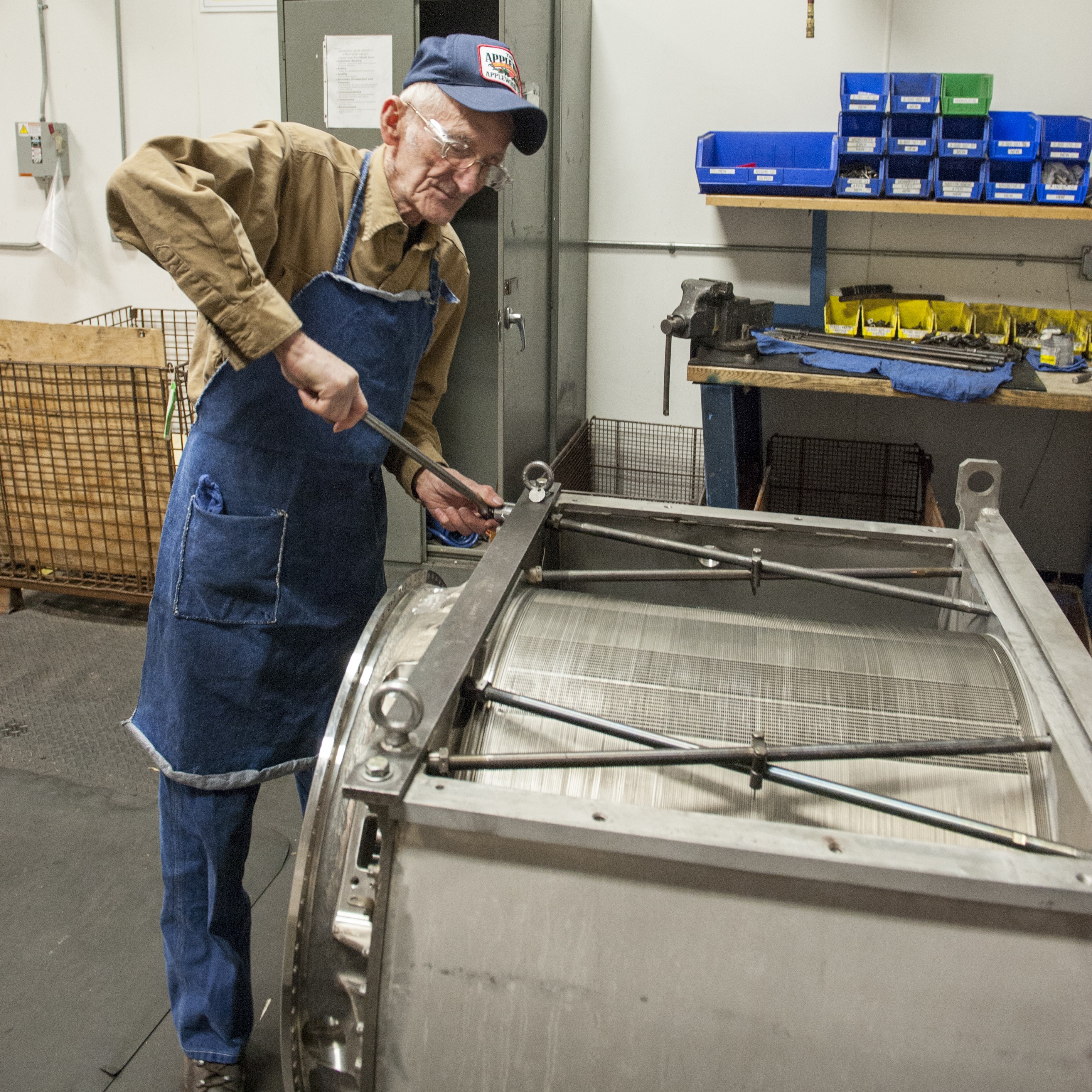
Norris Parton has also been a witness to changes in the community.
In the '80s, his son, who goes by the name Lynn, began his career here, which led, indirectly, to Parton's current job at ANAD, which he accepted in March 2004.
Parton was born across the road from where he now lives and remembers a time when the area surrounding the depot was more farmland than residential.
"We used to drive around my daddy's old pasture," he said as he spoke of changes in the roads. "Now, we can drive through it."
As a child, Parton worked that farmland, plowing cotton fields with a mule at eight years old.
Throughout his life, many jobs have involved working outside in the elements. The weather and heat were becoming unhealthy when Lynn, who had been employed at ANAD for more than 20 years, convinced him to apply for a mechanic position.
Though he was at an age when most people contemplate retirement, Parton applied and was selected.
And he has no plans to retire, preferring his work over too much leisure time.
"I'm better off here than sitting home by myself," said Parton.
Social Sharing